Iron Ore Port Workers Stage First Major Stoppage In Twenty-Five Years
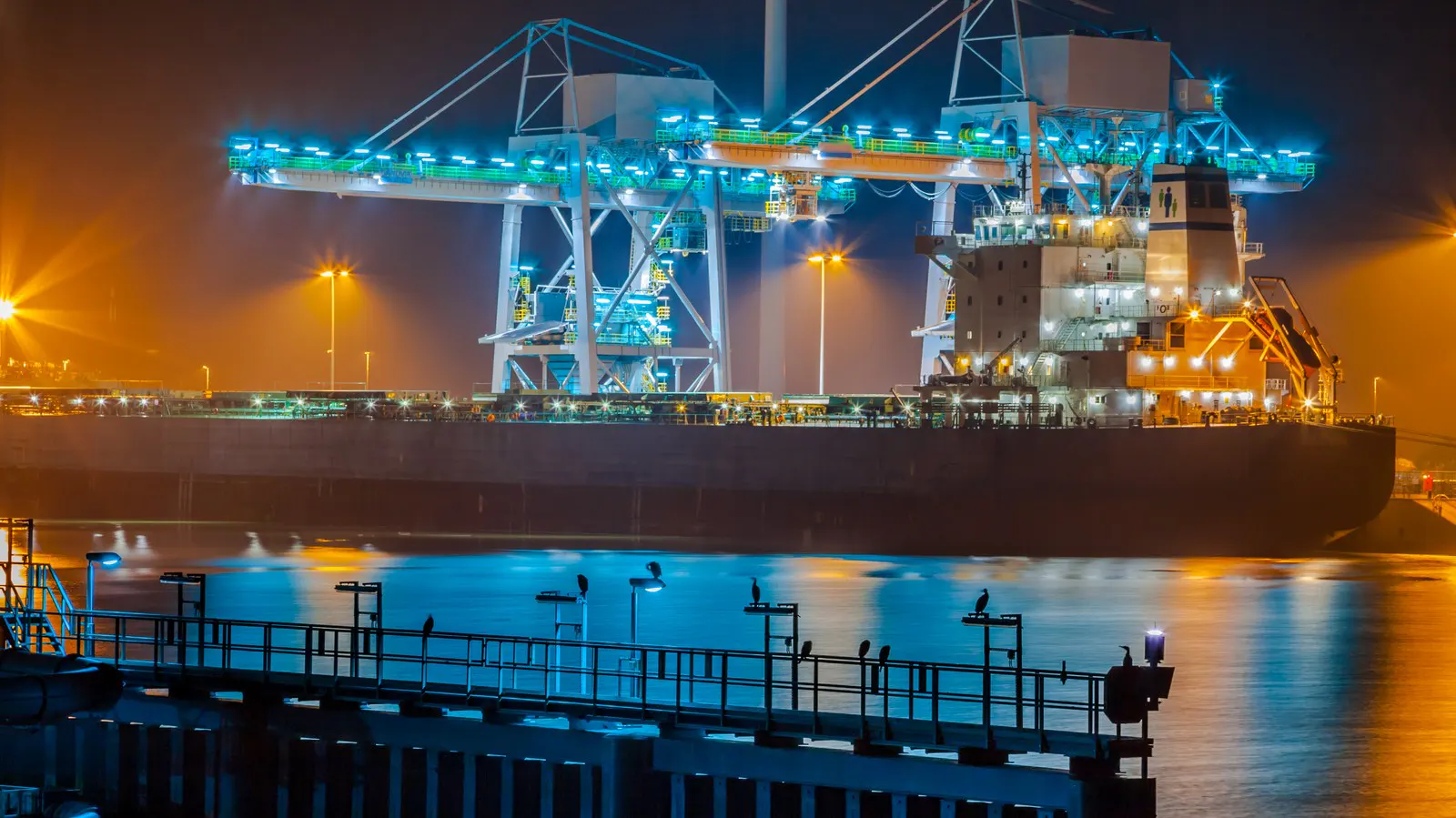
About 150 workers at the world's largest bulk export terminal in Western Australia staged a two-day stoppage over pay earlier this month, in what has been described as the first significant industrial action at the site in twenty-five years. The action, taken by workers organised through a bargaining unit representing several unions, took place over the eighth and ninth of August, and subsequent coverage has kept the dispute in view.
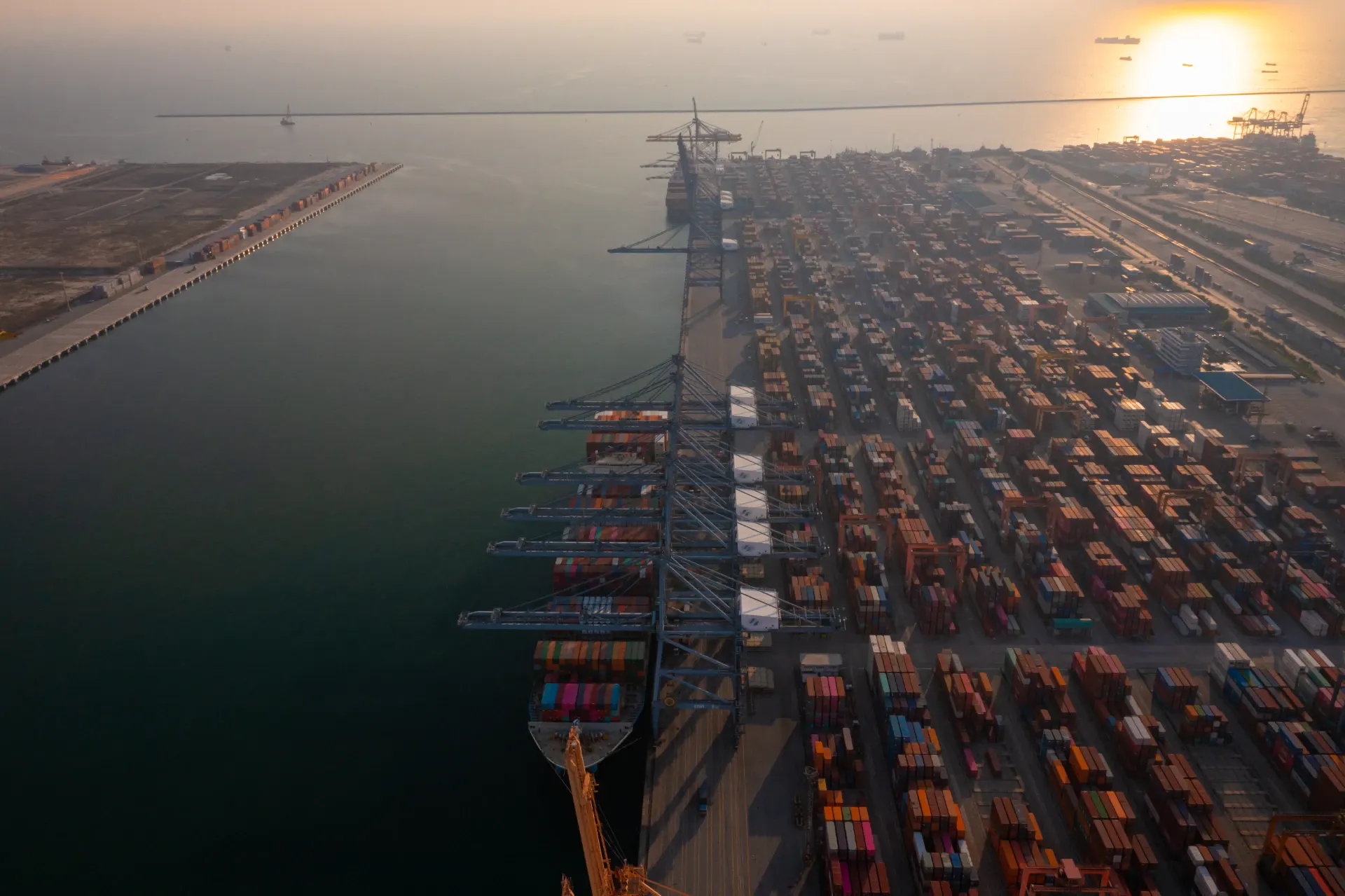
The scale of what the port moves explains why a stoppage of that size draws attention. The mining company involved ships iron ore worth roughly eighty million dollars a day through its operations there, and the port as a whole handles around seventy-five percent of iron ore exports from the surrounding region. Those two figures are often quoted together but describe different things: the daily value belongs to the one company, while the regional share belongs to the port across all its users.
A two-day stoppage by 150 workers does not, by itself, interrupt a supply chain of that magnitude. Bulk export terminals run large stockpiles precisely so that short interruptions in one part of the chain can be absorbed without missing sailings, and the company would have loaded from inventory. The significance is in the precedent rather than the tonnage. A workforce that has not taken major action in a quarter of a century has demonstrated that it will, which changes the arithmetic of every subsequent negotiation.
The timing is favourable to the workers in a way that is not accidental. Iron ore demand has been supported by ore import growth into Asia, and the operation runs at high utilisation with limited slack. Industrial action is most effective when the employer's margin depends on continuous throughput and when alternative supply cannot be brought in quickly. Both conditions apply here, and both are visible to the people voting on whether to strike.
The wider context is a resources sector in which labour costs have been rising against a backdrop of remote-site working, long rosters and persistent difficulty recruiting skilled operators to isolated locations. Automation has removed some roles from these operations and made the remaining ones more critical, since a smaller workforce running more heavily automated equipment has proportionally greater leverage when it withdraws its labour. The employers who invested in that automation are now discovering the second-order consequence of it.