Iran's Main Oil Terminal Falls Silent While Gulf Crude Still Moves Through Hormuz
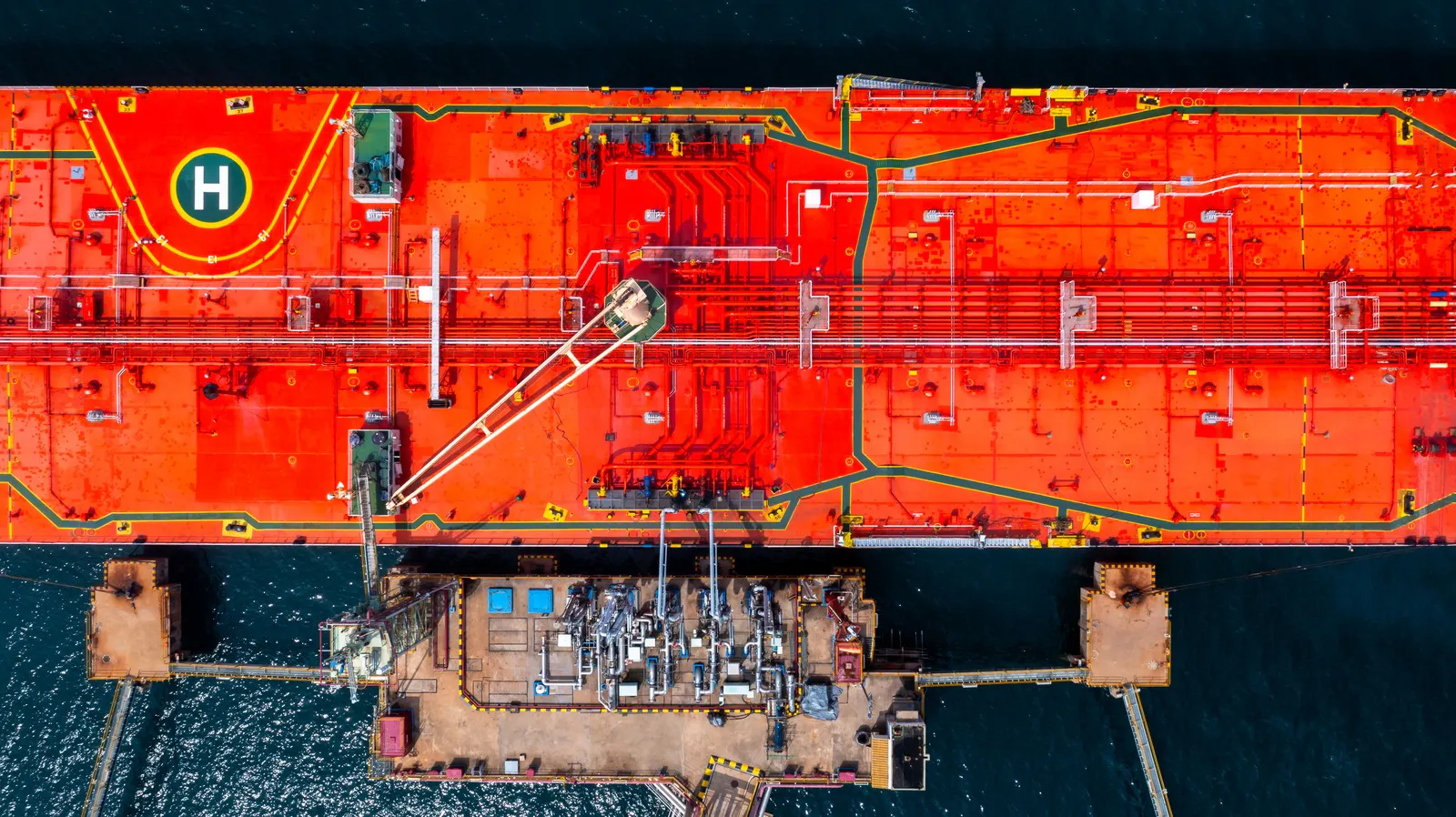
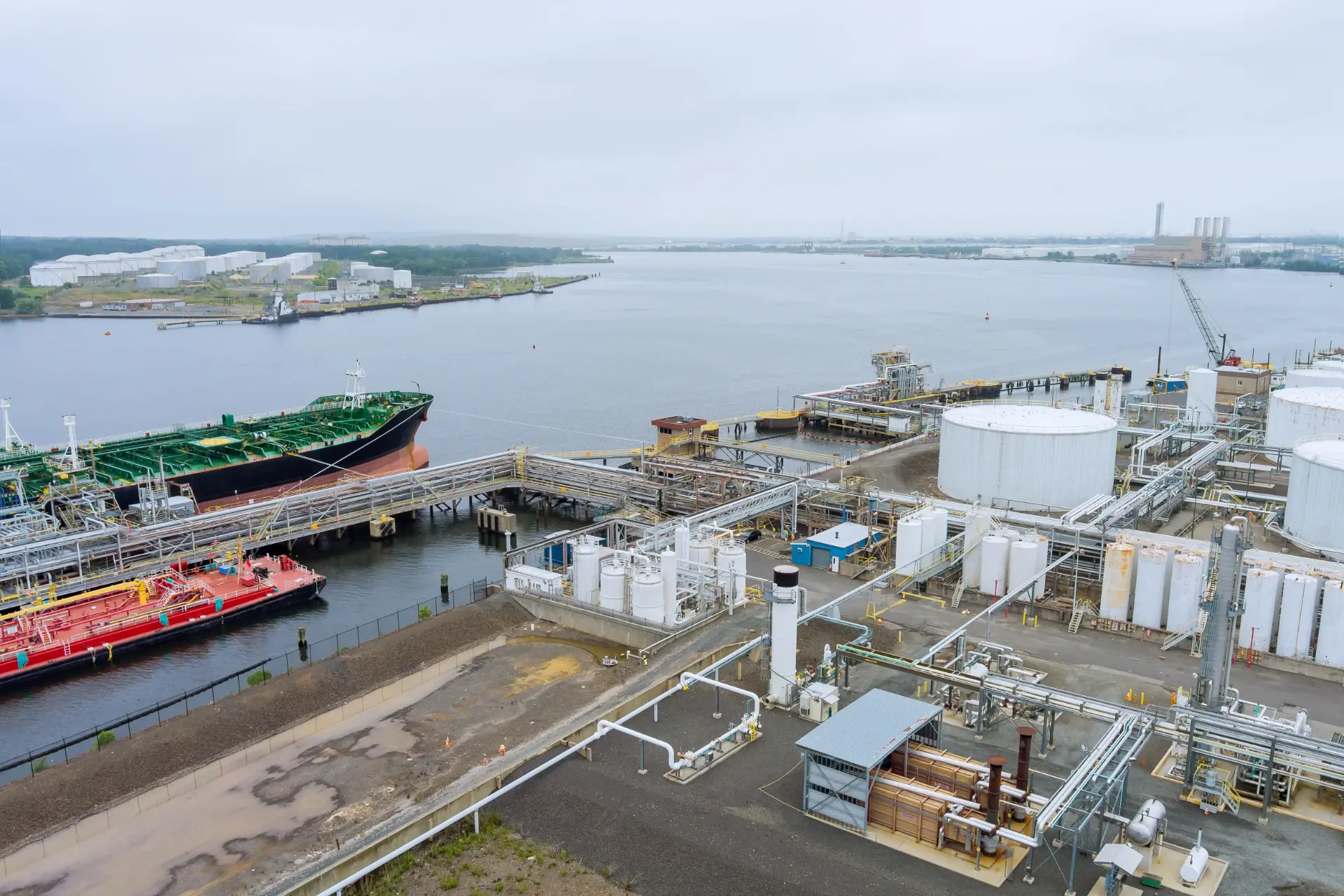
Satellite imagery of Iran's principal crude export terminal shows every berth empty, with no loading recorded since the end of July, while tanker traffic through the Strait of Hormuz continues at a level that indicates the wider Gulf trade is still functioning. The contrast defines the current shape of the conflict: Iranian exports have been effectively stopped, but the chokepoint through which they would pass has not been closed to everyone else.
Imagery captured on 8 August showed the western jetty last occupied on 18 July, the liquefied petroleum gas berth vacant since 27 July, and the eastern jetty's last tanker departing on 30 July, with the final shipment recorded on 31 July. Around seventeen tankers were counted idling in the vicinity, alongside more than fifty shuttle tankers operating without transmitting position data. An assessment published a day earlier put the number of waiting tankers at nineteen and estimated around eighty million barrels held in floating storage within the Gulf.
The terminal handles the overwhelming majority of Iranian crude exports, so a stoppage there is close to a stoppage of the trade. An analyst at a European energy consultancy described the blockade as effective and said there was not much tanker traffic going in or out. That is a significant statement in a market that has spent two decades assuming Iranian barrels would find a way out regardless of what was imposed, largely because they always did.
Traffic through the strait itself tells a different story. Between four and five million barrels a day were still passing on the days observed, with eight tankers inbound and nine outbound counted on 8 August, and seven tankers alongside at a Saudi Red Sea port on the same day. Gulf producers other than Iran are exporting, at volumes that remain well below pre-war levels but that are clearly not zero. The distinction being enforced is by origin rather than by geography.
For owners the practical question is how durable that distinction is. A blockade that is selective depends on the enforcing party's ability and willingness to keep distinguishing between cargoes, and on the acquiescence of a state that has repeatedly said the strait will not return to its previous status. Iran has proposed a tolling system for transits and has floated legislation aimed at particular flags, both of which are attempts to convert a position of weakness on exports into leverage over everyone else's. The current equilibrium of Iranian barrels stopped and other barrels moving is stable only for as long as neither side sees advantage in changing it.