Iranian Tankers Ride at Anchor off Sri Lanka and Malaysia With Nowhere to Discharge
Oil held afloat has fallen from 192m barrels in mid-April to about 80m at the end of August
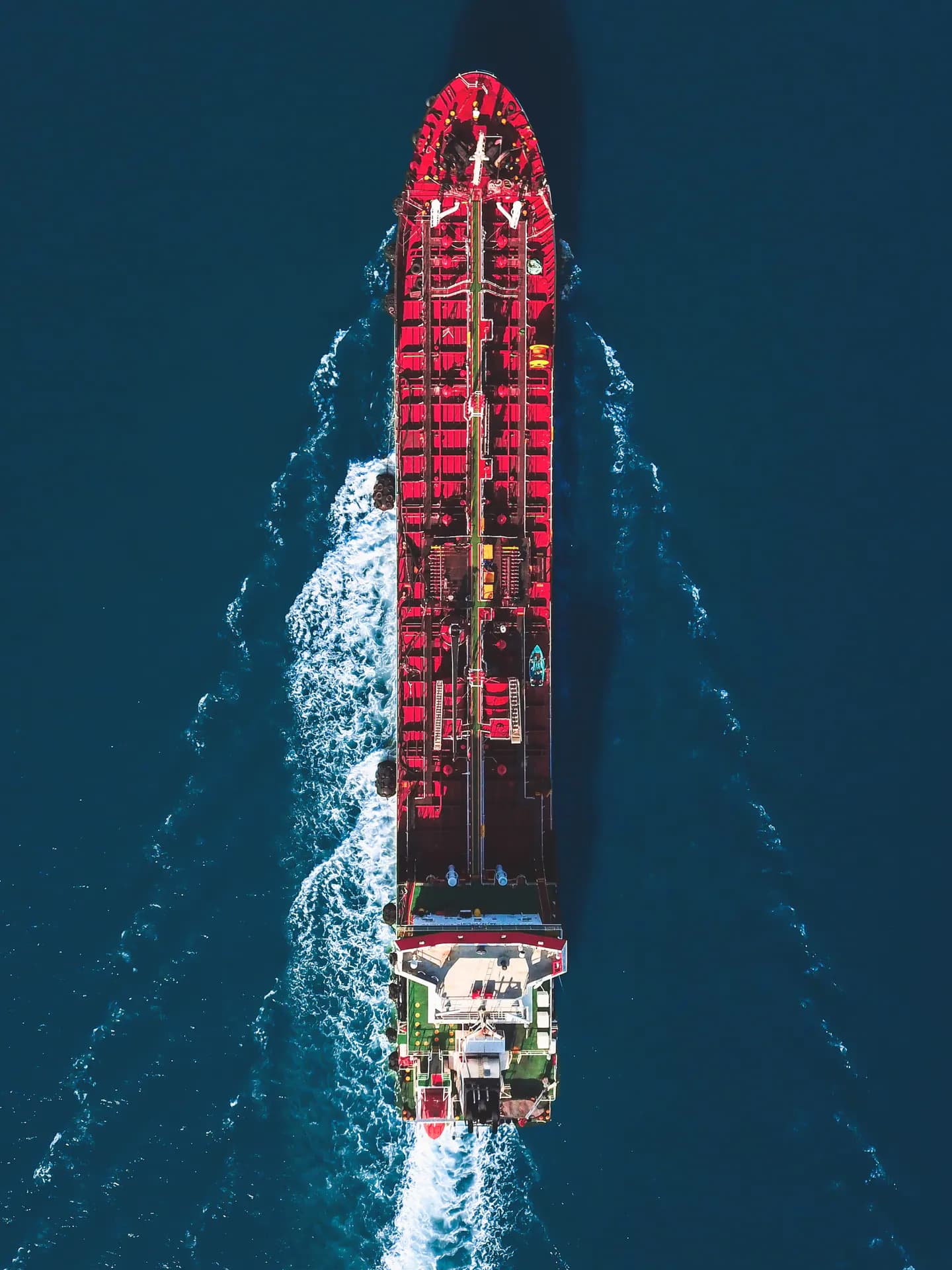
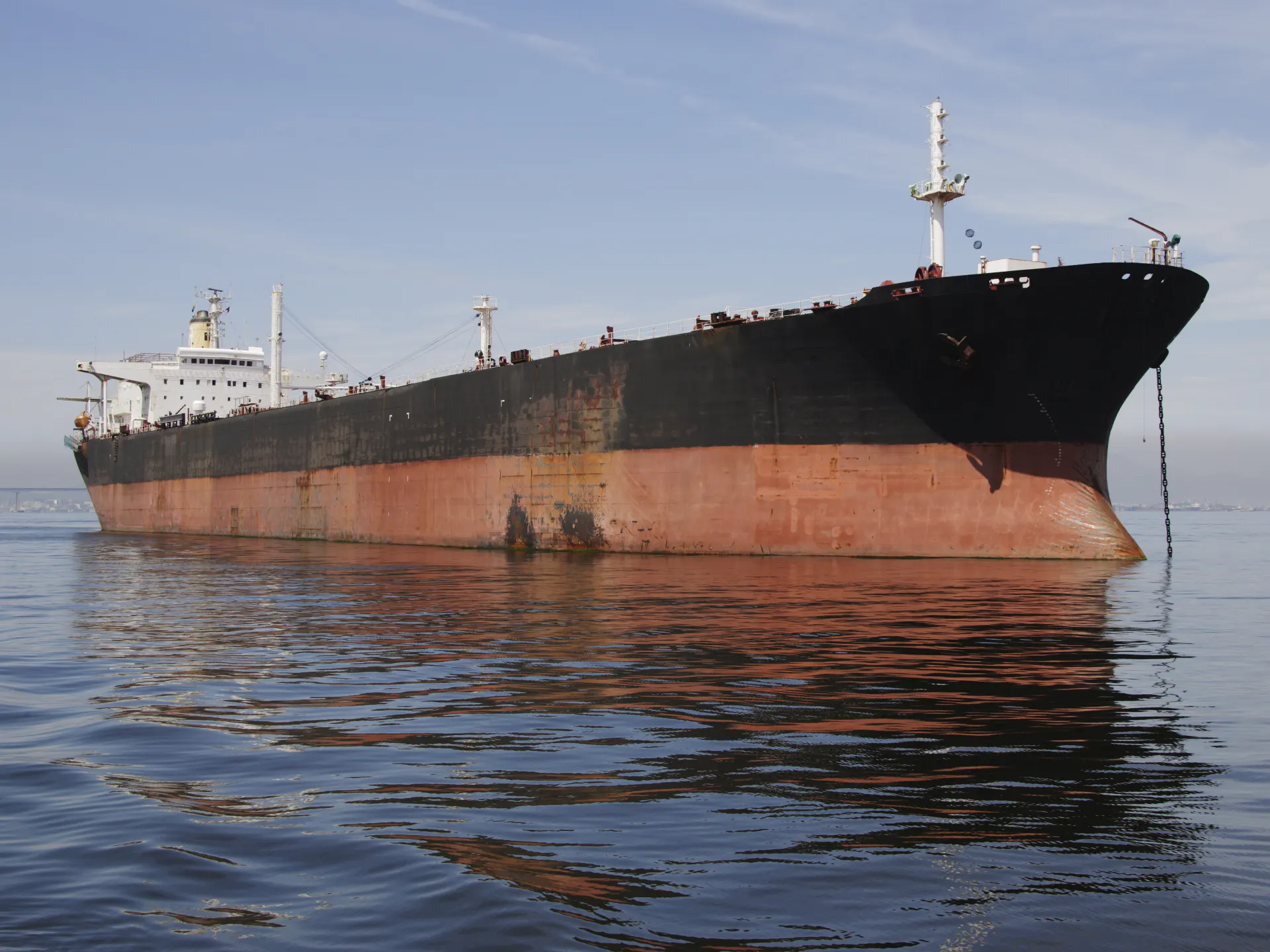
Crews on Iranian-owned tankers are largely stuck at sea, unable to return to ports in Iran because of the US naval blockade, and a fleet of empty ships that discharged their cargoes mostly in China now has nowhere to go.
The blockade has been operated as a bar on ships of any flag seeking to load or discharge at Iranian ports, enforced from the Gulf of Oman on the approaches to the Strait of Hormuz. As of 1 September, CENTCOM reported that its forces had redirected 84 commercial vessels, disabled three and boarded two to ensure compliance. Two Iranian tankers believed to have been anchored near Bandar Abbas were also attacked this week.
The concentration is visible at two anchorages. More than a dozen ships lie at anchor off Galle, at the south-western corner of Sri Lanka, positioned just metres outside Sri Lankan territorial waters, inside which a seizure would breach UNCLOS. Sri Lankan port authorities have said the ships are outside their waters and therefore outside their jurisdiction. Masters who believed themselves under threat could move inside quickly and seek protection by default, with or without permission.
That distinction is not academic there. The Iranian frigate IRINS Dena was sunk on 4 March in international waters 40 nautical miles south of Galle with the loss of 87 lives, after President Anura Dissanayake refused the ship refuge in Sri Lankan waters.
A second cluster sits further east. The campaign group United Against Nuclear Iran has identified a further 48 tankers linked to trading in Iranian crude at anchor in the long-established ship-to-ship transfer box east of Johore, just outside the Malaysian exclusive economic zone. The area holds noticeably more ships now, and across a larger box, than it did in the middle of last year.
Satellite imagery shows a large number of tankers anchored on the territorial waters boundary off Sri Lanka, and vessel database records show many of them under sanction by the United States, Canada and the United Kingdom. Kpler estimates that Iranian oil held afloat has declined from 192m barrels in mid-April to about 80m barrels at the end of August, although most of that remaining stock is already pre-sold and waiting off Chinese ports to discharge.
Draught readings tell the rest. Where data is available, almost all of the ships off Sri Lanka and most of those off Malaysia are unladen, which means the anchorages are not floating storage but a queue with no berth at the end of it. Nervousness within the fleet turns on whether US naval action expands to the seizure of Iranian vessels elsewhere, which the blockade notification already covers and which earlier long-range actions against ships that escaped the cordon have already demonstrated. The pressure is the mirror image of the collapse in Hormuz cargo volumes and of the sanctioned container ship that reached an Iranian port despite the blockade.