Hormuz Cargo Volumes Down More Than 90% After Six Months of Conflict
Eighty-eight vessel attacks since March, with Bab el-Mandeb transits off a third in mid-August
Six months of conflict in the Middle East have cut cargo volumes through the Strait of Hormuz by more than 90%, on figures compiled by the Joint Maritime Information Centre, with the decline driven by vessel attacks, damage to port infrastructure and a broader security picture that now includes piracy and militant activity.
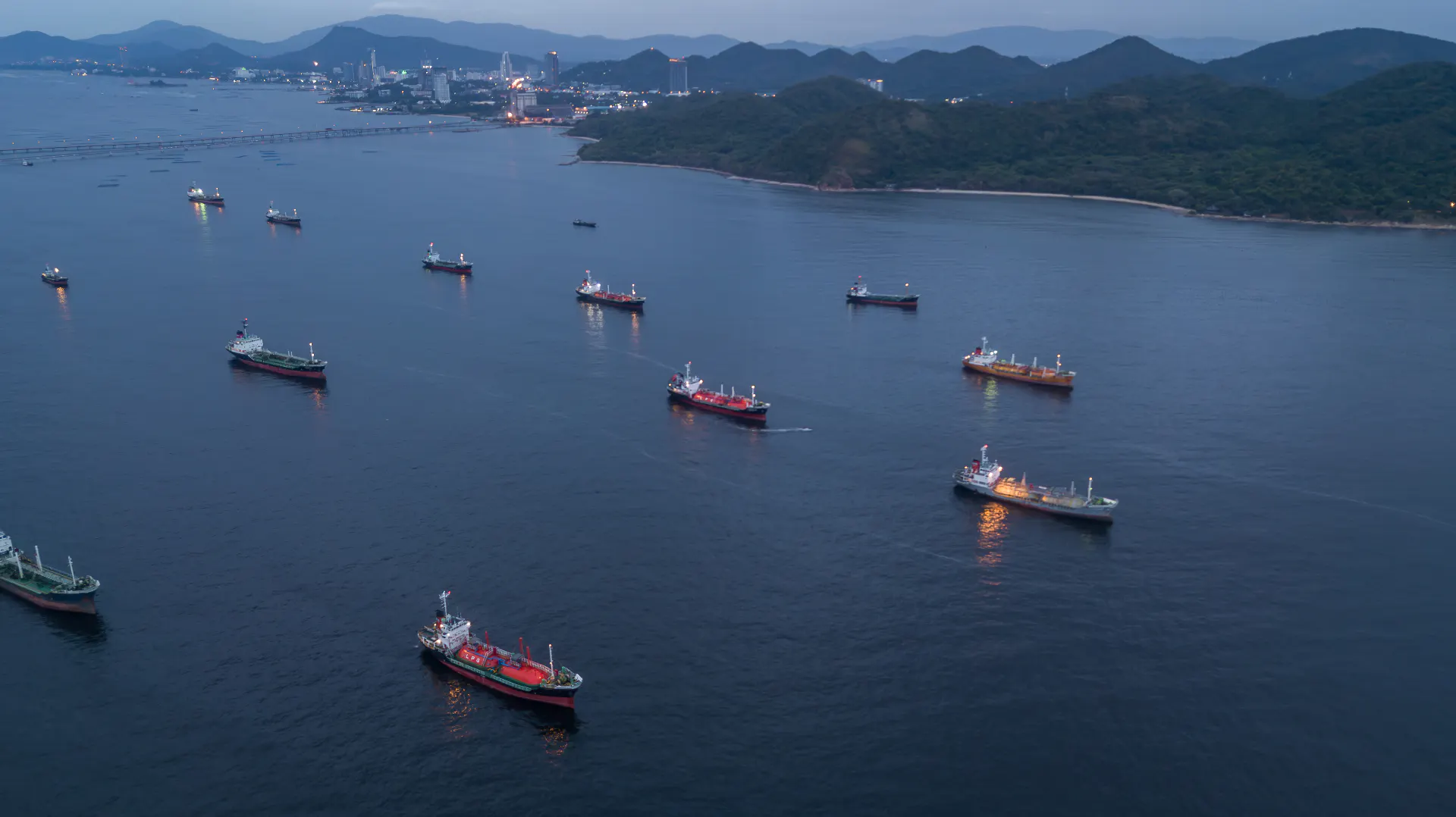
Since March 2026, 88 incidents of vessel attack or damage have been recorded. The threat spectrum runs from GPS jamming through to oil spills with consequences for marine ecosystems. US naval blockades and regional instability have redrawn shipping patterns across the whole basin: transits through the Bab el-Mandeb Strait fell by a third in mid-August, while the Gulf of Oman and the Arabian Gulf remain classified as high-risk for maritime operations.
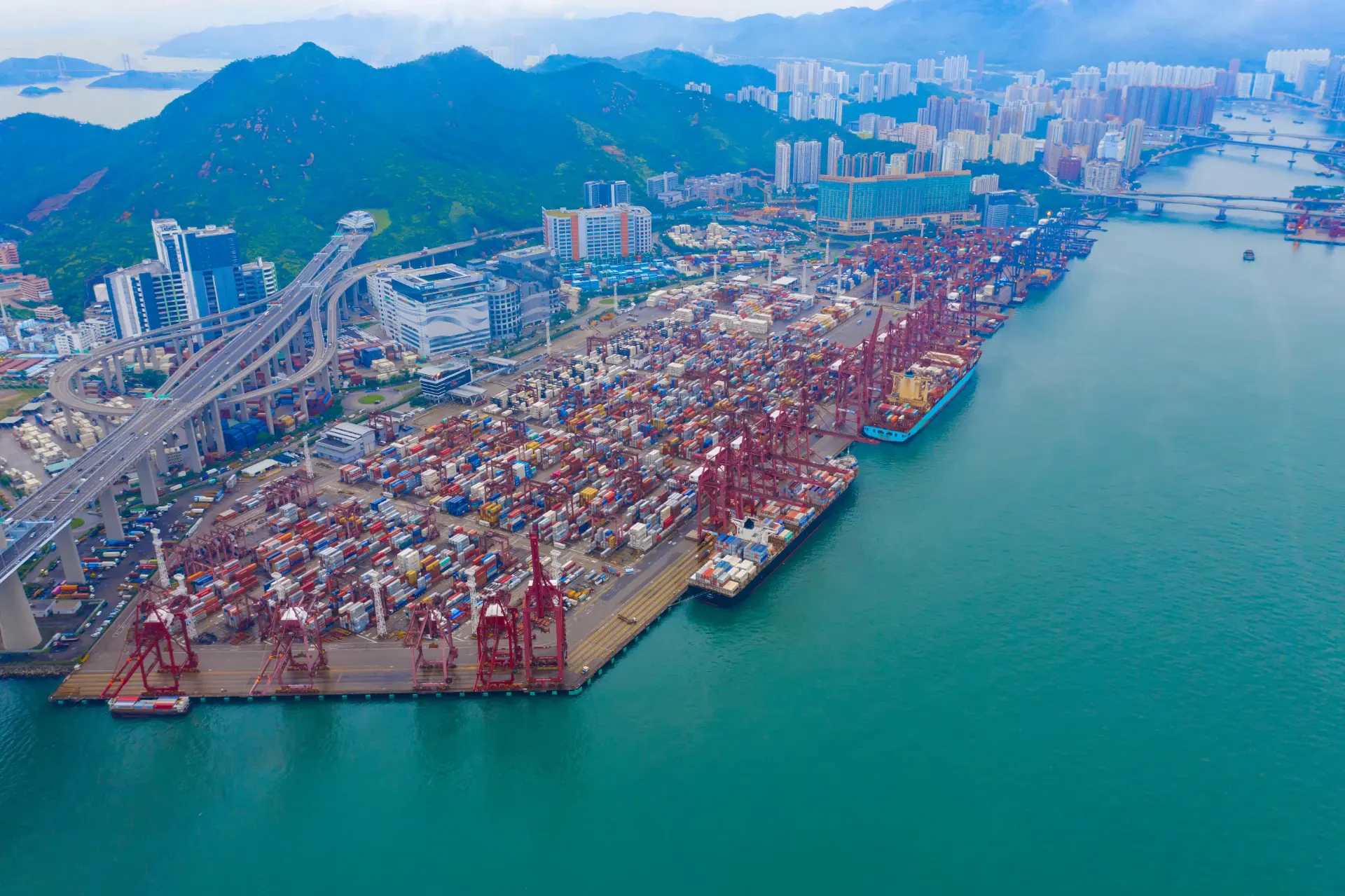
Port operators have moved faster than the recovery. DP World has reported a 6% drop in container throughput at Jebel Ali while keeping the facility operational, and is building two terminals at Fujairah on the UAE east coast under a 50-year concession, outside the strait. AD Ports Group has shifted operations to Fujairah and Khor Fakkan, expanded warehousing, created land and air bridge corridors and redirected vessel traffic.
The headline numbers for the UAE are severe. Container throughput fell 65% year on year in the second quarter, and bulk cargo volumes were down 67%. AD Ports Group has leaned on its international network, including ports in Spain, Egypt and Angola, to sustain group growth while its home-market volumes contract.
Towage operators face a different version of the same problem: fewer arrivals, but far less predictable ones. Noatum Group is among those applying artificial intelligence to integrate vessel positioning, berth capacity and tug availability into a single view, aiming at just-in-time execution rather than standing capacity.
In Qatar, Milaha has reported significant disruption, with LNG shipping activity down 93%. Damaged terminals, reduced trade volumes and increased counterparty credit risk have compounded the operational picture. The financial outlook across the region remains unsettled, with prolonged instability the main threat to any recovery in volumes.