Iran Turns on Inbound Tankers and Lengthens Its Non-Compliant List to 57
Small craft read ships' names off the hull by searchlight before ordering them to abort the transit
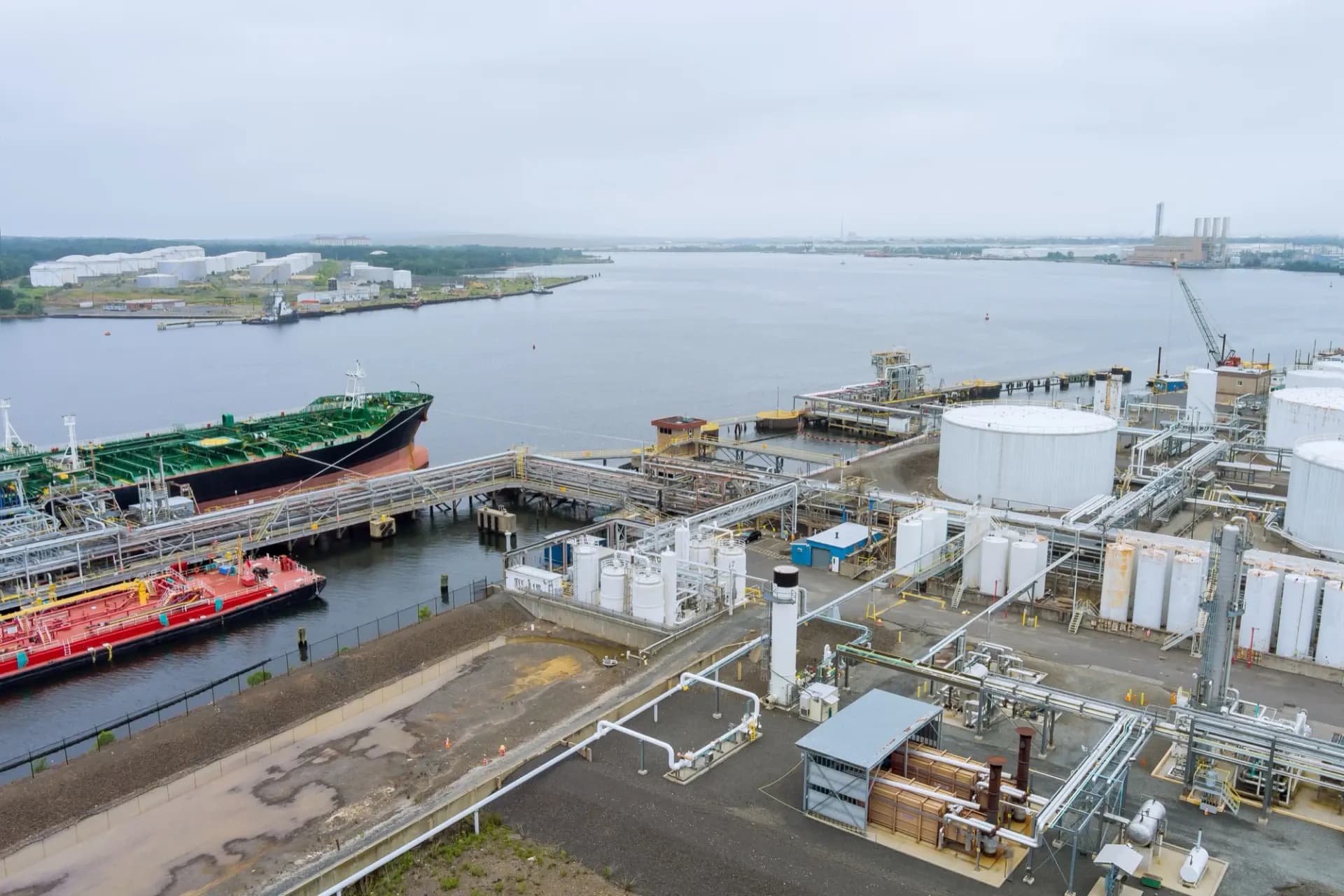
Iranian forces have shifted their attention to tankers heading into the Persian Gulf rather than out of it, a change that closes the loop on any attempt to restart loadings at Gulf terminals.
UK Maritime Trade Operations issued a delayed report on 30 August of a vessel struck by an unknown projectile 12 nautical miles off Khasab, Oman, late on 29 August. The ship was inbound. No casualties or pollution were reported and the vessel was not identified. It was the first UKMTO advisory since 25 August, when the Kuwaiti product tanker Al Salam II, of 69,790 dwt, was hit eastbound just above the waterline, holed and set briefly alight before the crew extinguished the fire.
Alongside the strikes, Iranian outlets close to the IRGC have run a series of claims that inbound ships have been turned around. The Liberia-flagged crude tanker Ellie, also known as Lila Marseille, was said to have reversed course after entering the southern transit corridor and to have switched off its AIS. The 156,557 dwt ship last reported a position in the Fujairah anchorage after returning from China, with its destination field reading for orders. A Marshall Islands-flagged LPG carrier, the 54,368 dwt Haana, was said to have been warned off and to have anchored off Ras Laffan in Qatar.
The identification method is closer to policing than to warfare. Martin Kelly, head of advisory at EOS Risk Group, described a recent transit in which an Iranian small craft used a searchlight to read a vessel's name off the hull while the ship was under way on the Omani route. Iranian forces then called the vessel by name, said it was locked in their system and being monitored, and ordered it to abort.
The bureaucratic layer has been growing in step. The body Iran calls the Persian Gulf Strait Authority published a list of 46 vessels said to have violated its transit arrangements, and told charterers not to become involved with them. Within a week that list had reached 57. Ships on it are threatened with restrictions on future passages, including fines, detention or confiscation, and the IRGC has said additional punitive measures would be enforced against maritime companies that place their vessels at the disposal of foreign powers. An earlier version of the same mechanism is set out in the 45-ship blacklist.
Iran's own figures put the traffic it has permitted at more than 1,500 oil tankers and 1,700 commercial vessels during 2026, all of them using the designated route after notifying Iranian authorities and paying a transit fee. It also says 30 vessels have been prevented from transiting since 22 August. Traffic counts from outside the country are far smaller: about five ships a day over the last weekend of August, mostly smaller gas carriers, down from 14 on the Friday.