Iran Blacklists 45 Ships as OFAC Warns Against Hormuz Compliance
Owners face fines and detention from Tehran, or US sanctions for cooperating
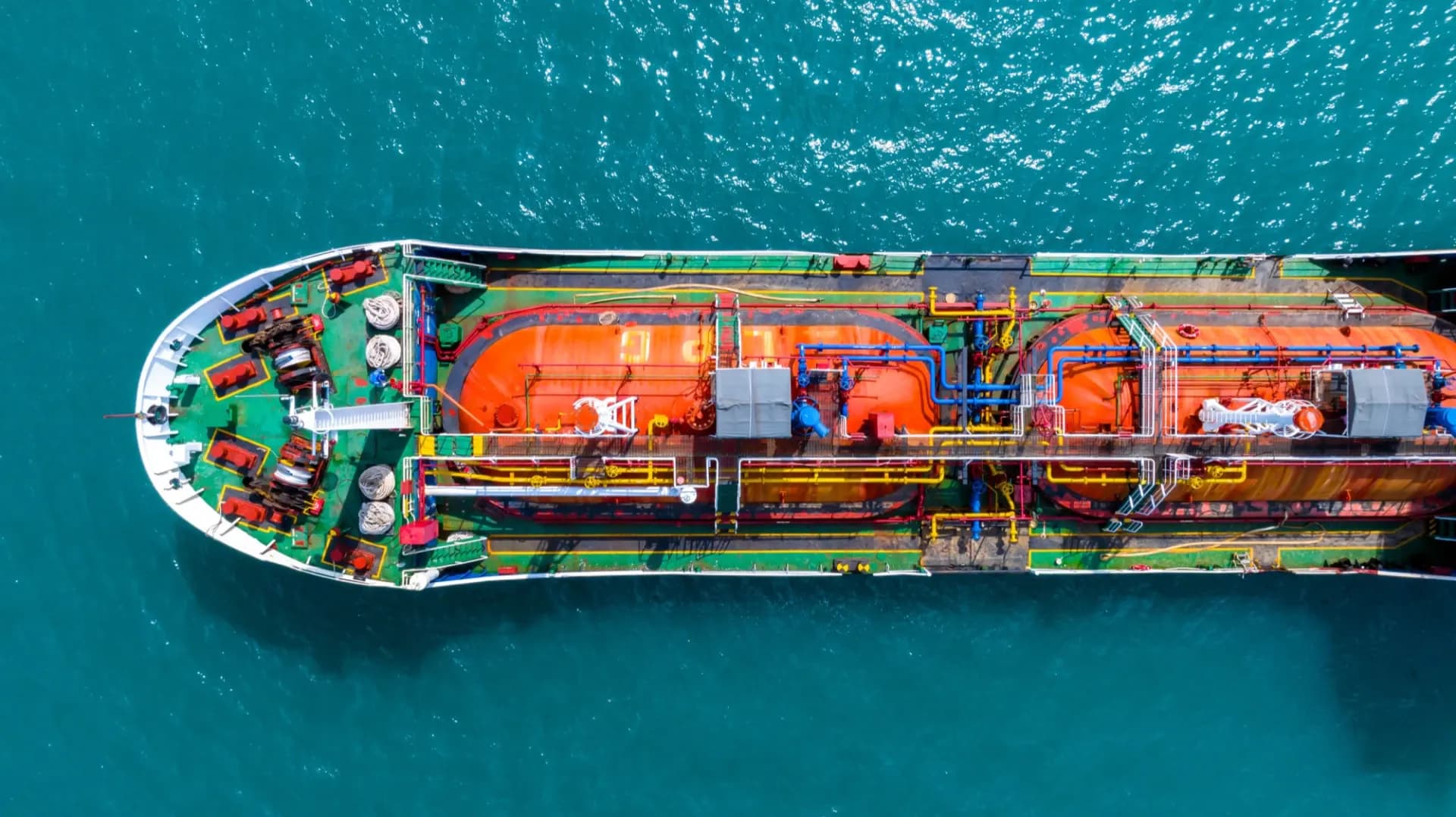
Shipowners trading through the Strait of Hormuz have been placed in a fresh compliance bind after Iran blacklisted 45 ships and threatened fines, detention and cargo confiscation, while Washington warned that complying with Tehran's transit regime could itself trigger US sanctions.
Iran's newly established Persian Gulf Strait Authority published the non-compliant vessels list over the weekend, citing violations by certain vessels of the Iranian arrangements for transiting the waterway. The authority also warned that vessels carrying out ship-to-ship transfers, transhipment or other operations with listed ships would themselves be added. Owners seeking removal must apply to Iran's maritime authorities and provide an explanation.
The list covers VLCCs, product tankers, LNG and LPG carriers, containerships and bulkers linked to some of the industry's best-known names, including ADNOC Logistics & Services and its Navig8 subsidiary, Bahri, Sinokor, Stolt-Nielsen, Klaveness Combination Carriers, Shipping Corporation of India, Dynacom, GasLog and Nakilat.
ADNOC L&S has the largest exposure, with eight directly managed vessels on the list. Sinokor is linked to at least five ships, while three vessels are connected to Saudi state owner Bahri. Iran published 46 entries, but only 45 individual ships are involved: the tanker Vadin appears twice under the same IMO number, with its former name Lila Vadinar also included.
At least 14 of the listed vessels have already been attacked in and around Hormuz in recent months. They include Nakilat's Al Rekayyat, Bahri's Wedyan, the Sinokor-linked Cyprus Prosperity, the ADNOC-operated Al Bahyah and Mombasa B, Stolt Nielsen's Stolt Magnesium and the AD Ports-controlled containership GFS Galaxy.
The authority did not specify what each vessel had done to breach the rules, and it advises companies to review the list before fixing tonnage. Tehran has previously demanded that ships obtain Iranian clearance and pay for navigation, security, insurance and other services before crossing. An Iranian parliamentary committee has approved draft provisions allowing fees for navigation, environmental protection, bunkering, insurance and safety services.
The measures leave owners facing directly conflicting demands. The US sanctioned the Persian Gulf Strait Authority in May, accusing the IRGC-backed organisation of running an extortion scheme against commercial shipping. In updated guidance issued on Monday, the Office of Foreign Assets Control warned that US and non-US companies could face sanctions merely for accepting services or responding to information requests from the authority, even where no payment changes hands.
The guidance accompanied a broader Treasury offensive that expanded potential secondary sanctions to shipping and four other sectors. Nearly 60 Iran-linked companies, individuals and vessels were targeted, including five shadow-fleet ships accused of moving Iranian oil and petroleum products: Sifra, G Silver, Quantum Hope, Voyage Elite and Tela.
Analysts at SEB said the larger escalation was the sector-wide shipping designation and its secondary-sanctions reach, giving Treasury scope to target Chinese buyers and shadow-fleet brokers, and noting that action against brokers and transfer networks would be harder to route around than sanctions on individual hulls. "This reinforces our China-to-Atlantic tonne-mile view, although designation is not enforcement. Seeing is believing until flows change," the bank said.
Tehran has called the American measures economic terrorism. Mohsen Rezaei, a senior security official, said that if the economic war continues, "not a single drop of oil will be exported, neither through the Strait of Hormuz nor from anywhere in the Persian Gulf."
Separately, UN secretary-general Antonio Guterres has called for support for a proposed confidence-building mechanism to keep essential cargoes moving through maritime chokepoints, initially covering fertilisers and related raw materials, using ship registration and verification together with a deconfliction mechanism in Oman. Marine insurers had already moved to bar payments to Iran for transits.