Iran Seizes a Sugar-Laden Bulk Carrier Over an Oil and Sludge Discharge in Hormuz
The ship has been handed to the judiciary, with no name, flag or crew nationality released
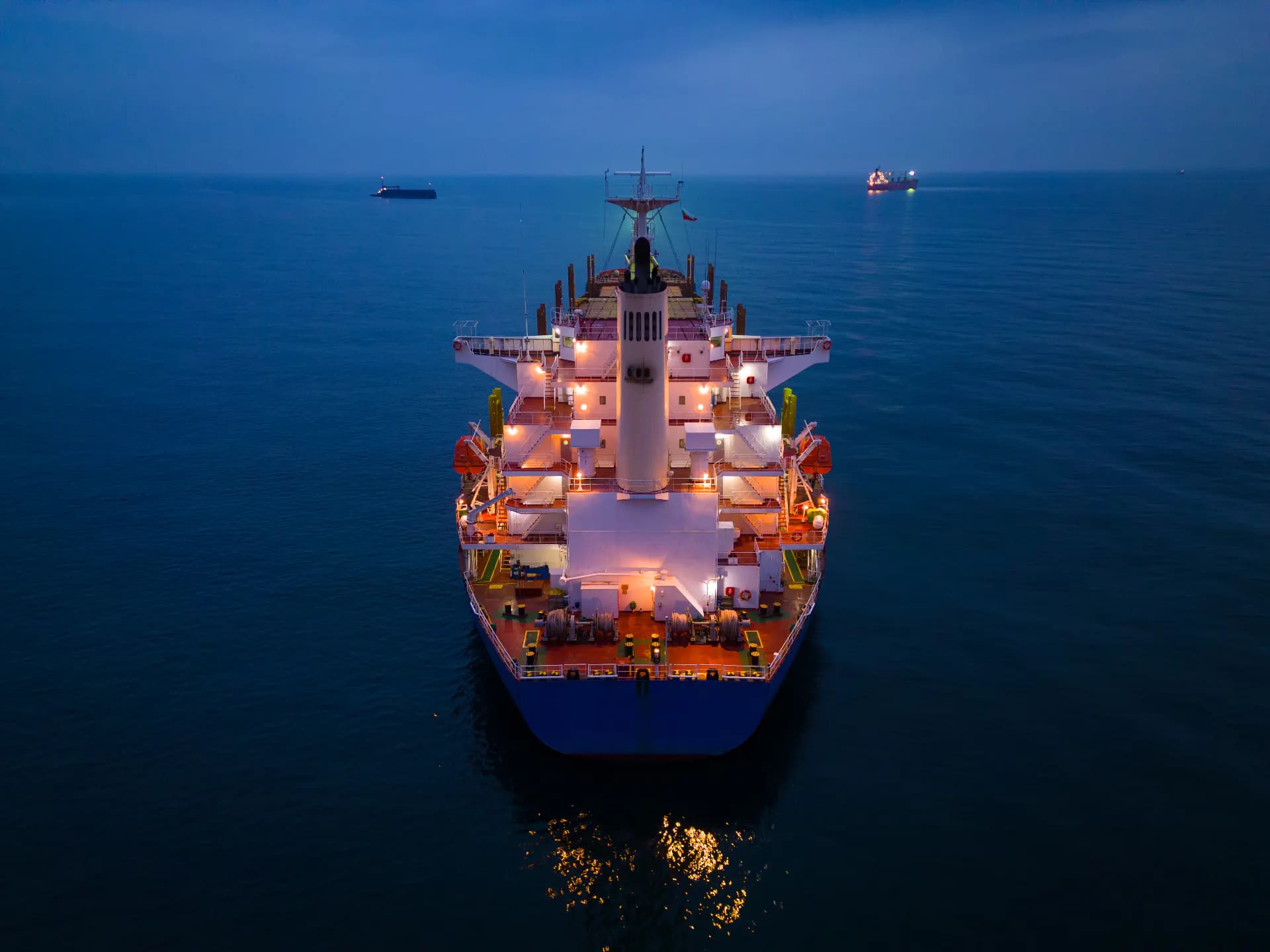
Iranian authorities have seized a bulk carrier loaded with sugar after accusing it of discharging oil, bilge water and industrial sludge into the Strait of Hormuz.
Esmaeil Makizadeh, deputy head of the Ports and Maritime Department in Hormozgan province, said the vessel was detained after images showed oil being released into the sea. "Following the publication of images of the discharge of oil into the sea... expert and clean-up teams were dispatched to the site and seized the ship causing the pollution," he said.
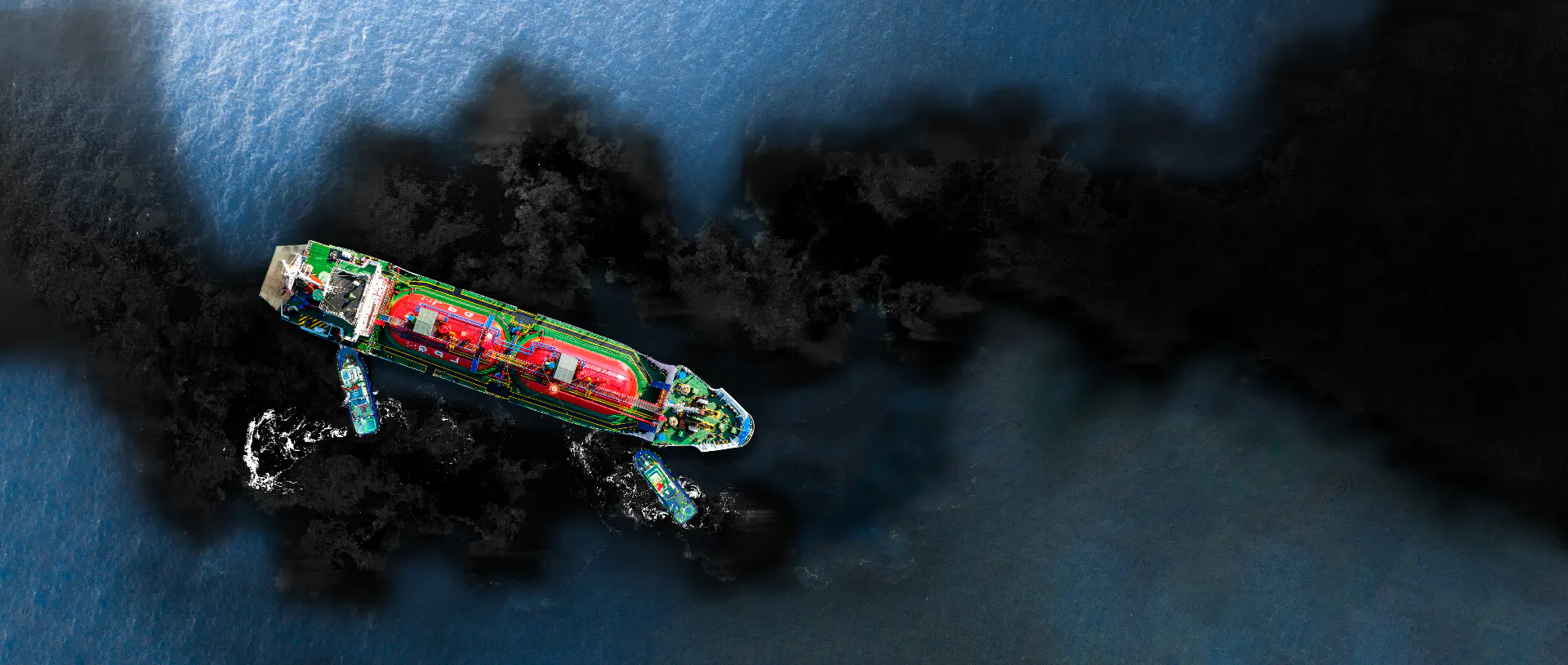
Makizadeh said the bulk carrier had dumped a mixture of burnt oil, bilge water and industrial sludge directly into the water. The department said the pollution spread into several small slicks under the action of currents, but that clean-up teams contained the waste and have since removed it. The vessel has been handed over to the judiciary and remains under judicial proceedings.
Iranian authorities did not identify the ship or state which country it was flagged in, and gave no nationalities for the crew. That leaves the case without any of the identifiers an owner, insurer or charterer would use to establish exposure, and without a public record that a MARPOL allegation of this kind would normally carry.
The seizure follows several oil spills in the region in recent weeks. Iran has demanded compensation over some of them, including a spill near its Qeshm island. Earlier in August an oil slick was spotted near neighbouring Oman after a tanker ran aground, having been stranded for weeks close to the Omani island of Al-Qibliyyah after explosions damaged it.
Iran has maintained control over the Strait of Hormuz since the Middle East war began in February. It has also said it plans to charge fees on vessels passing through the strait to help pay for services including environmental protection, a proposal the United States strongly opposes and which sits alongside the transit service fees Tehran approved for authorised ships.
The pollution case gives that fee argument a concrete illustration. A discharge inside the strait is now an enforcement matter handled by an authority that is simultaneously seeking to bill traffic for the environmental protection it says the waterway requires.