Report Flags Invasive Species Risk From Gulf of California LNG Traffic
Saguaro LNG Phase 3 alone could involve up to 30 million tonnes of ballast exchange a year
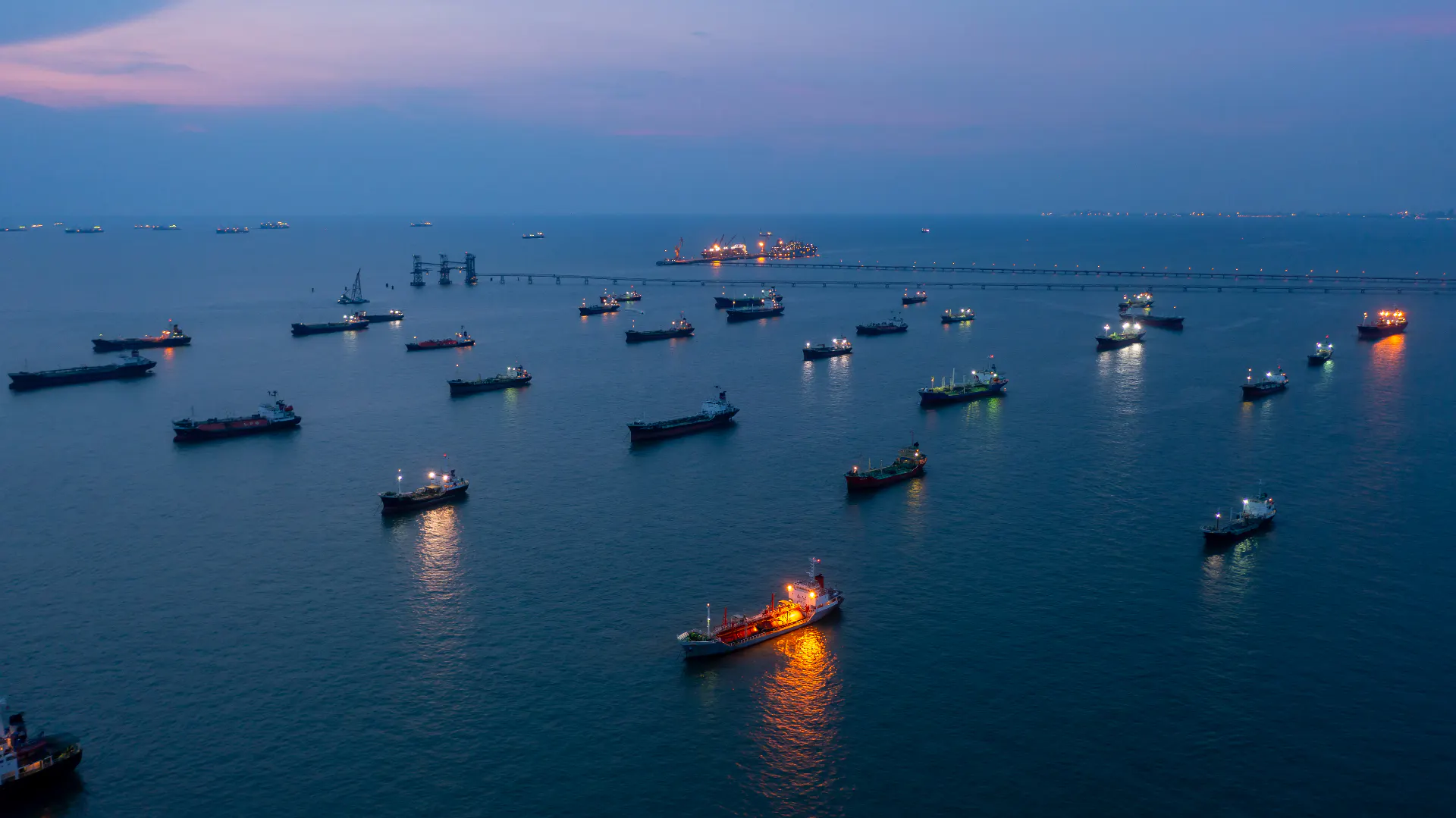
Proposed LNG export projects in Mexico's Gulf of California could increase the risk of aquatic invasive species entering the region through ballast-water discharge and vessel biofouling, according to a study of projected LNG vessel traffic in the area.
The report, authored by Energy and Environmental Research Associates and examined in an issue brief from maritime decarbonisation non-profit Equal Routes, found that LNG carrier traffic tied to the proposed export projects could pose a serious risk to marine ecosystems in the UNESCO World Heritage site.
The region's biological significance is the reason the question is being raised. "It supports extraordinary biodiversity, including 39% of all marine mammal species, eleven species of whales, 891 fish species, and five of the world's seven sea turtle species. The GoC supports 57% of Mexico's national marine fisheries production and sustains a thriving marine ecotourism sector valued at approximately $518 million USD annually," Equal Routes said.
The research indicates the region currently experiences relatively low levels of commercial shipping, meaning a significant increase in LNG tanker traffic would alter existing patterns of marine activity. The report examines three proposed projects: Vista Pacifico LNG, Amigo LNG and Saguaro LNG.
For Saguaro LNG Phase 3, the study estimates annual ballast-water exchange of approximately 12 million to 30 million tonnes, based on assumptions about vessel calls and the frequency of exchange. Ballast water can carry organisms taken up in one port and discharged in another, where they can outcompete native species, alter habitats and food webs, and create economic effects for fisheries.
The brief also highlights biofouling, the process by which organisms attached to hulls and other submerged surfaces are transferred between regions. Equal Routes notes that the International Maritime Organization recognises biofouling as an important vector for invasive species, and that regulation in this area is less developed than the rules covering ballast water.
Mexico is party to the IMO's Ballast Water Management Convention, which requires ships on international voyages to manage ballast water and meet biological discharge standards. Equal Routes argues that enforcement, monitoring and the effectiveness of treatment systems remain areas of concern.
"Once established, marine invasions are rarely reversible and may persist for decades," the group concluded, arguing that prevention is the only reliable route to avoiding long-term ecological harm.