Indonesia Begins Building Its First French Designed Submarines
Construction has begun on Indonesia's first submarines built to a French design, with a steel-cutting ceremony held at a state shipyard in Surabaya covering two boats of an evolved variant of the Scorpène class. The vessels will measure roughly seventy metres, displace up to two thousand tonnes submerged and carry a crew of thirty-one, and they are to be built domestically under a technology transfer arrangement.
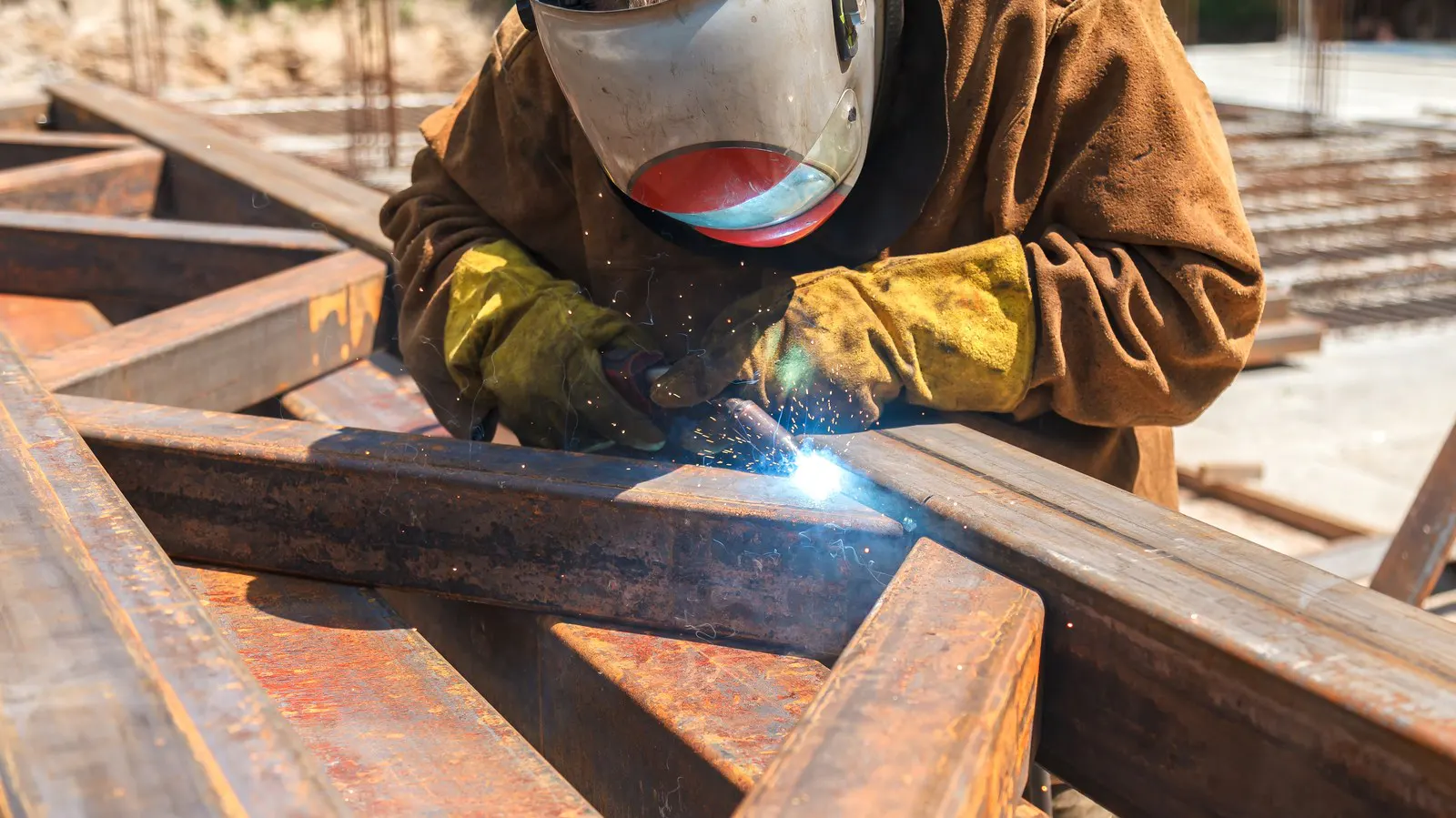
Building submarines is among the most demanding tasks in shipbuilding, and the difference between assembling one and constructing it is substantial. A pressure hull must be welded to tolerances that no surface ship requires, since a defect that would be a maintenance item on a frigate is a fatal flaw on a boat that dives. Countries entering submarine construction typically take a decade to reach reliable serial production, and several have discovered that a technology transfer agreement conveys drawings more readily than it conveys competence.
Indonesia's requirement is geographic. The country spans some seventeen thousand islands across the sea lanes connecting the Indian and Pacific Oceans, including the straits through which a very large share of world trade and energy passes. Patrolling that archipelago with surface vessels alone is impossible, and submarines provide a deterrent presence disproportionate to their number precisely because an adversary must assume they are present without being able to confirm it.
The regional context is a naval build-up across Southeast Asia driven by competing claims in the South China Sea and by uncertainty over the durability of existing security arrangements. Several neighbours have acquired or ordered submarines over the past decade, and the capability has become a marker of serious naval status in the region. The design chosen is a conventional diesel-electric boat, well suited to the shallow and acoustically complex waters of the archipelago, where the endurance advantages of nuclear propulsion matter far less than quietness and manoeuvrability.
The variant selected reflects incremental improvement rather than a new design, with enhancements to lithium-ion battery capability and combat systems over earlier boats of the class. That conservatism is sensible for a first domestic programme. A builder learning to construct pressure hulls does not want to be simultaneously debugging an unproven design, and the class has been built in numbers for several navies, which means the drawings are mature and the problems are known.