India confirms attack on LPG tanker in Iranian waters
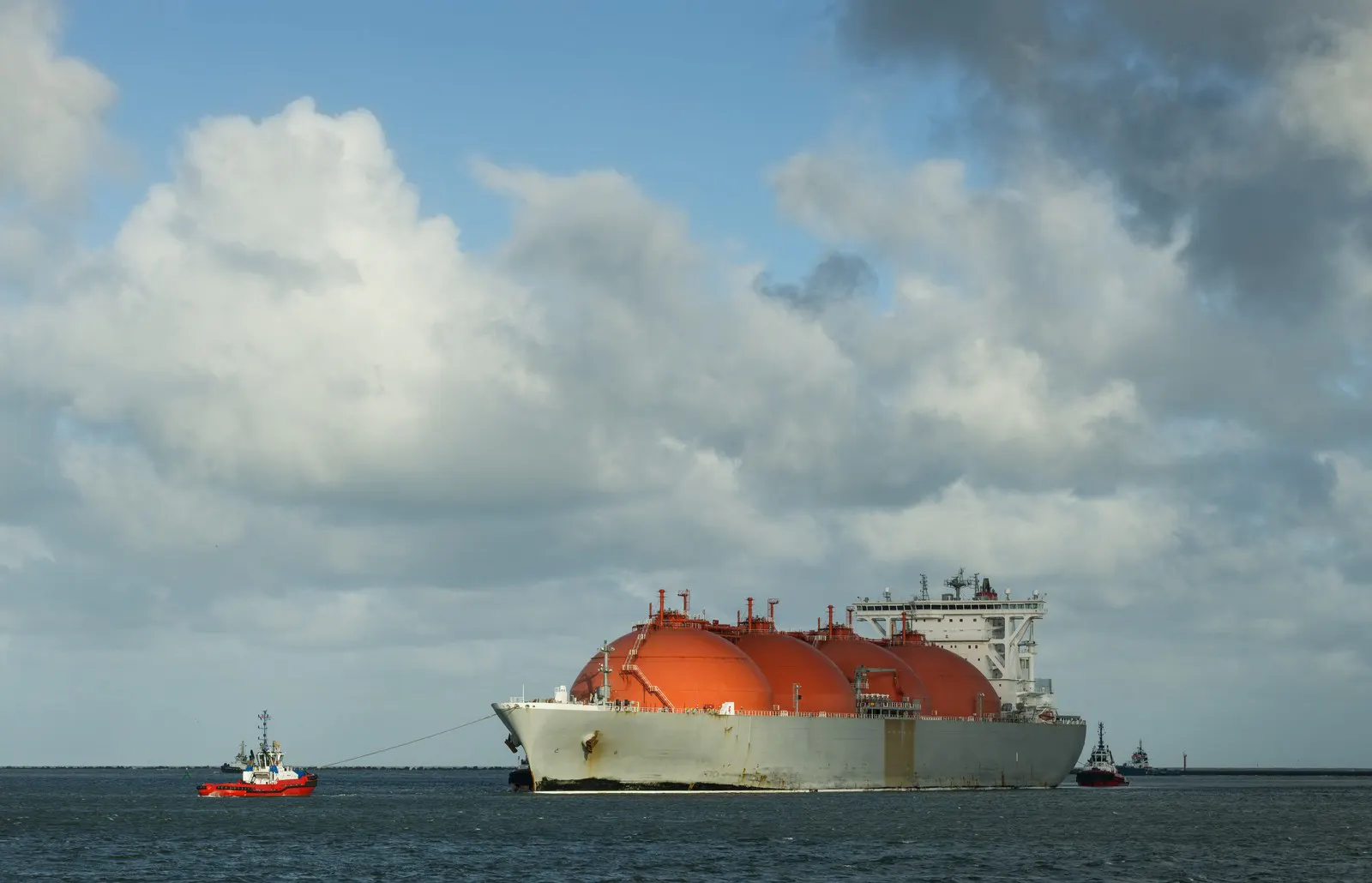
India's embassy in Tehran said it is in close contact with the authorities after a liquefied petroleum gas tanker carrying 28 Indian crew members came under attack in Iranian territorial waters on Friday. The embassy confirmed that the Indian nationals aboard the vessel Disha are safe and that it continues to monitor the situation. No details were released about the nature of the attack, the extent of damage to the ship or where she was bound.
Separately, India's external affairs ministry said the commercial vessel Omorfi was attacked while transiting the Black Sea, reportedly within Russian territorial waters. One Indian crew member was killed in that attack and two others are reported safe. The ministry condemned the strikes on commercial ships, and the Indian mission in Russia has contacted the relevant authorities. Two attacks on ships carrying Indian seafarers in different theatres on the same day underline how far the risk has spread beyond any single conflict zone.
India supplies a substantial share of the world's merchant crews, which means that escalation at sea is felt directly and domestically in a way it is not in most flag or owning states. That exposure has already produced diplomatic friction. Last month vessels carrying Indian crew were struck by American forces in the Gulf of Oman, prompting New Delhi to summon a US embassy official. The pattern places the government in the position of having to respond to actions by several parties at once, none of which are directed at India.
The directorate general of shipping has issued a circular advising all Indian-flagged vessels, and foreign-flagged vessels carrying Indian crew, to exercise the highest degree of caution while transiting waters around Yemen, the Bab el-Mandeb strait and the southern Red Sea. Advisories of that kind stop short of prohibition, leaving the judgement with owners and masters, but they establish a formal record of the state's assessment and are increasingly cited in disputes over crew consent and war-risk allowances.
For seafarers, the practical questions are narrower and harder. Crews joining ships months in advance cannot know which routes an owner will trade, and the distinction between a designated corridor and a prohibited one can change while a vessel is at sea. Unions across several supplying nations have begun pressing for full disclosure of intended trading patterns before signing on, and for the right to refuse transits without penalty. Neither has yet been settled in most standard employment agreements, and the incidents involving Disha and Omorfi will strengthen the argument that they should be.
Ships in this story