IMO Says 400 Ships and 6,000 Seafarers Still Cannot Leave the Gulf
Six months into the conflict, the organization counts 70 incidents and 19 seafarer deaths
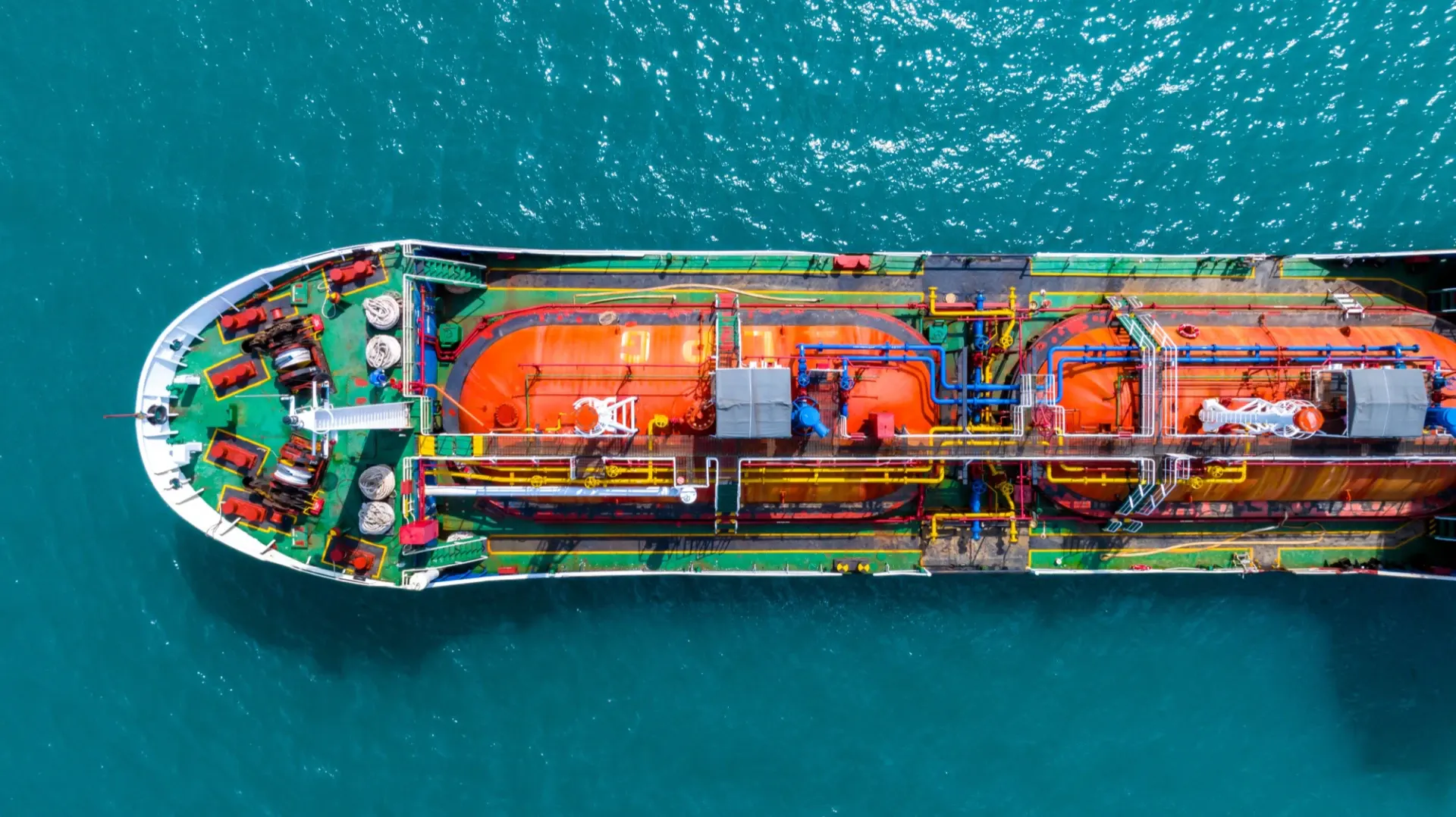
The International Maritime Organization has issued a new warning over seafarer safety in the Persian Gulf as the conflict between the United States and Iran reaches the six-month mark. While Washington asserts that mines have been cleared and that the Strait of Hormuz is building momentum, the shipping industry is holding back and seeking further reassurance before resuming normal operations.
While some ships and their crews have been able to leave the Persian Gulf, up to 400 ships carrying around 6,000 seafarers have been unable to depart safely since the conflict began, IMO Secretary-General Arsenio Dominguez said in a statement issued on August 28. He described the situation in the strait as unresolved and called for renewed political will and cooperation.
The organization's evacuation effort, launched in late June, ran for four days between the 23rd and the 26th and moved roughly 136 ships and 2,900 seafarers out of the Gulf before reports of renewed attacks forced a suspension. By the IMO's count there had been 70 confirmed incidents as of August 26, with 19 confirmed seafarer fatalities. It does not estimate how many of the approximately 20,000 seafarers trapped at the start of the conflict have been injured, but it disputes accounts of free movement.
I call on all member states and the shipping industry to work together with the IMO and the wider United Nations system to advance practical solutions to restore the freedom of navigation through the Strait, Dominguez said, adding that the deterioration of maritime security from the Black Sea to the Red Sea and the Gulf of Aden is detrimental to all and particularly distressing for the seafarers affected. Conditions of service in the region fall squarely within the welfare protections of the MLC.
US Central Command chief Admiral Brad Cooper said vessels are still seeking direct military protection to transit the strait and that US forces had assisted nearly 1,500 commercial vessels over recent months. He said mines had been cleared meticulously and quietly, and that US strikes had destroyed more than 90 percent of an estimated Iranian inventory of some 8,000 mines. The Joint Maritime Information Center nevertheless continues to warn of drifting or uncharted mines near the traffic separation scheme.
Tracking data still shows only a trickle of movements, and very few ships are returning to the Gulf for further cargoes. Much of the volume that does move is handled by shuttle operations, with owners unwilling to send larger tonnage back through the strait once it is out. Ending the blockade remains one of Iran's conditions for reopening the waterway.