Idle fleet in the Gulf raises invasive species risk
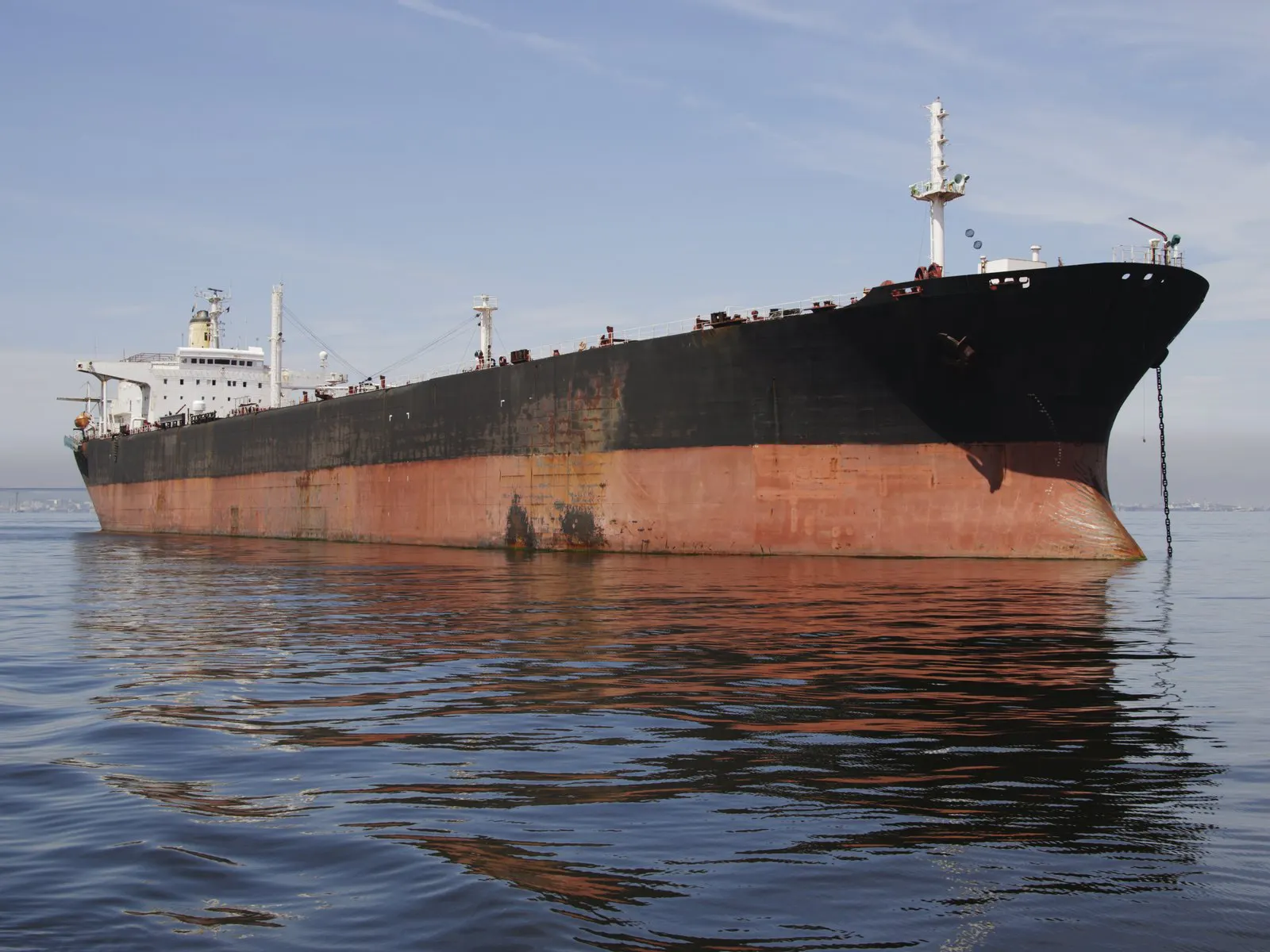
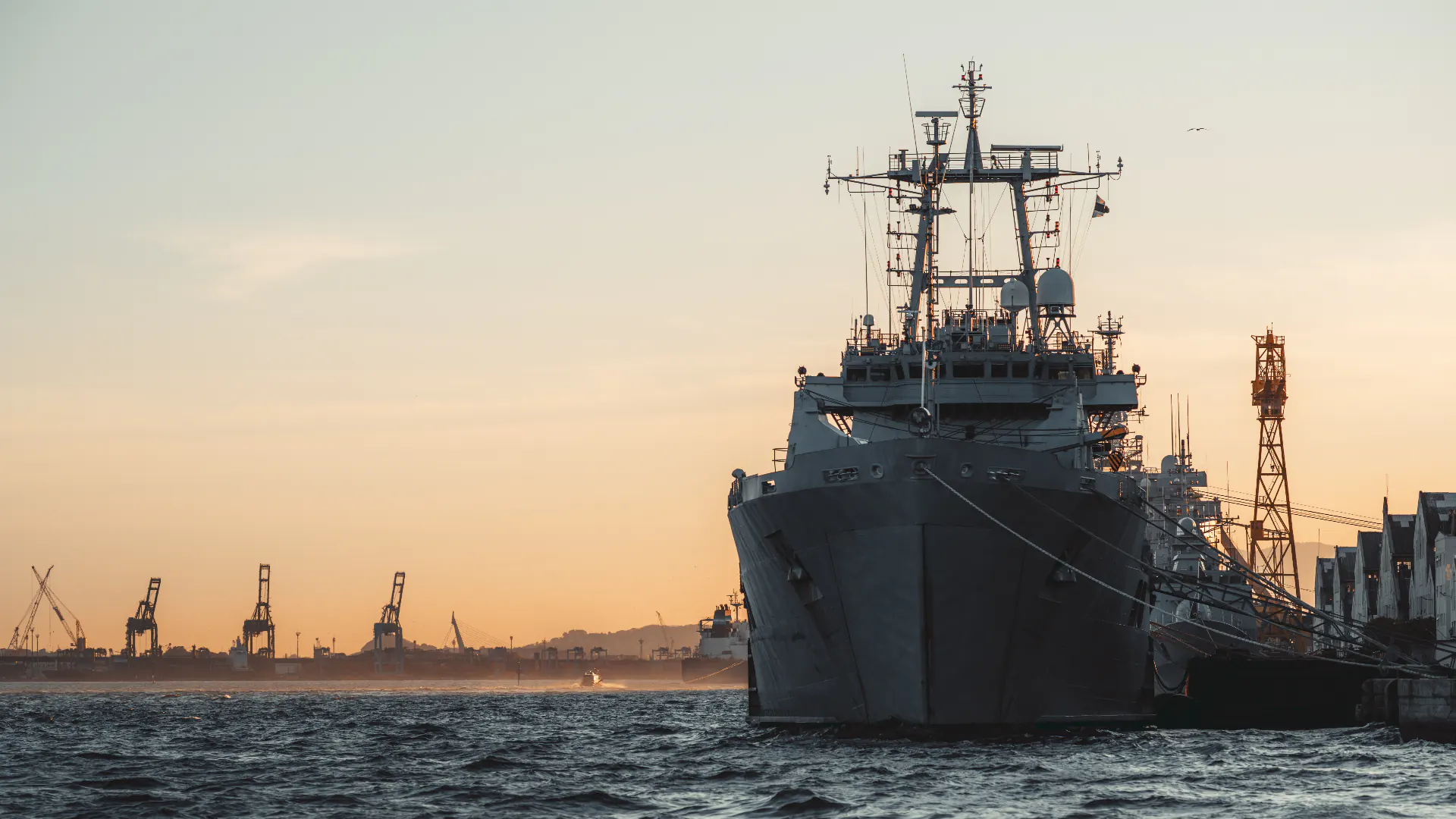
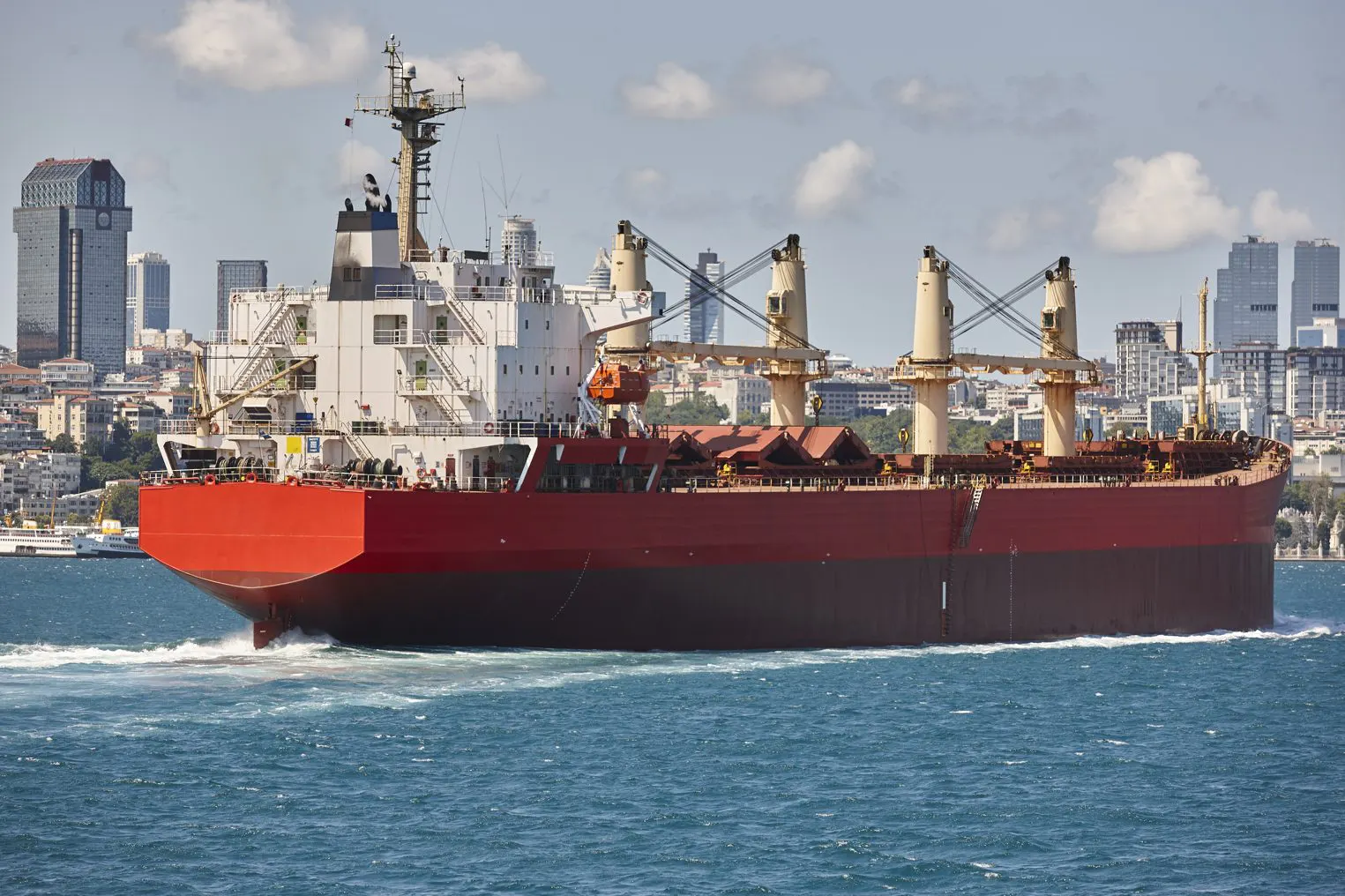
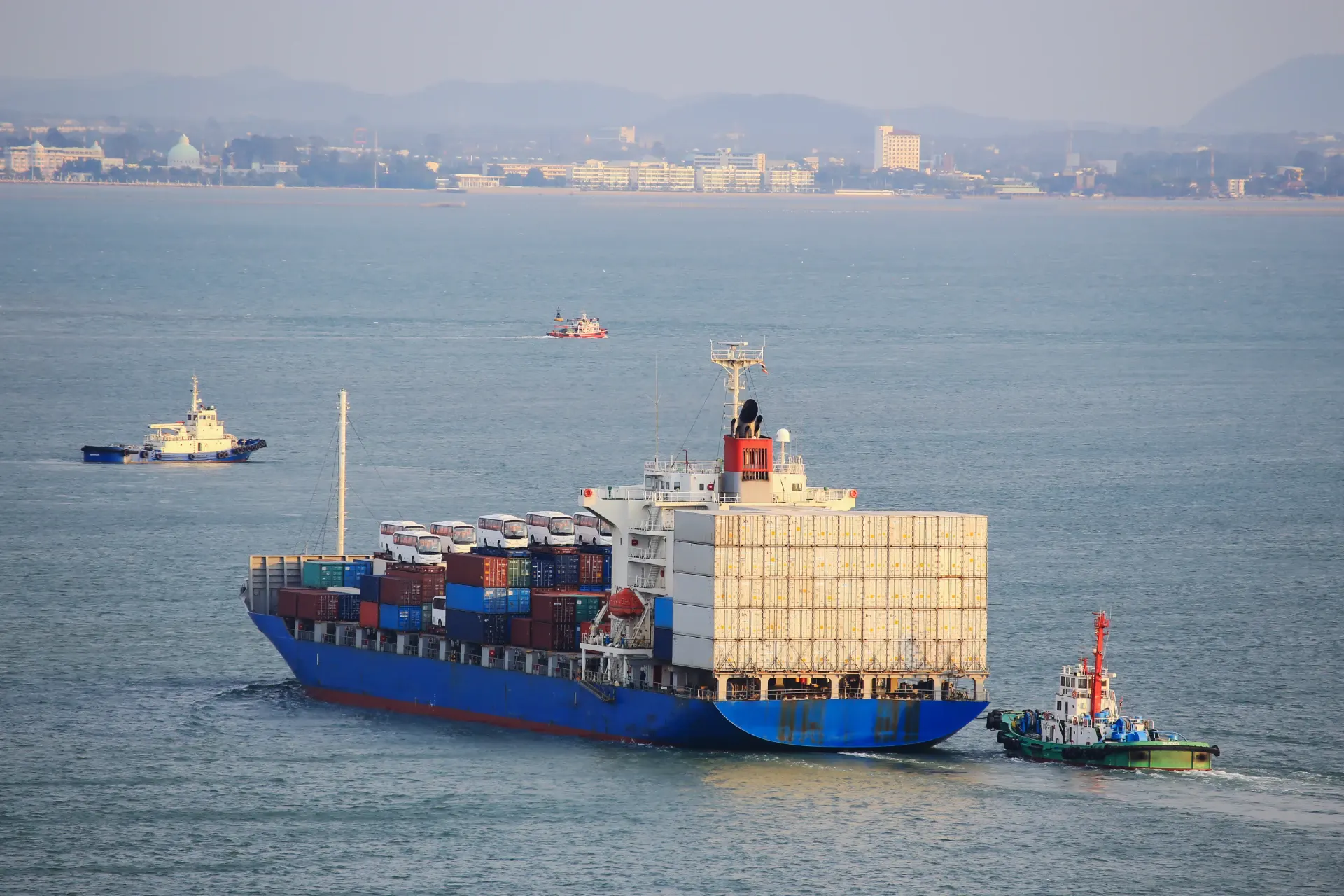
More than 1,500 ships lying idle in the Persian Gulf, and hundreds more in the Gulf of Oman, could trigger a global spread of invasive marine species once traffic resumes, according to scientists studying the effects of the prolonged disruption. The Strait of Hormuz, which carries about a fifth of global oil supply, has been repeatedly closed or restricted since the war with Iran began in February, leaving an unusually large fleet stationary in warm water for months at a time.
The mechanism is biofouling. A recently published study warned that microorganisms, algae, plants and invertebrates accumulate on hulls during long idle periods, turning each vessel into a floating habitat. The lead author, marine ecologist Mario Tamburri of the University of Maryland, said that once invasive species take hold in a new environment they are nearly impossible to eradicate, which shifts the problem from one of clean-up to one of prevention.
The example he cites is instructive. Zebra mussels, native to the Caspian and Black Seas, spread rapidly through the Great Lakes in the 1980s and are now present in rivers across the United States and on the West Coast. Ecologists have been trying to contain them for decades without success, and the cost of managing the infestation, in blocked intakes, damaged infrastructure and altered ecosystems, has continued to accumulate long after the introduction itself.
Anti-fouling coatings are the standard defence, and they are least effective in exactly these conditions. The paints are designed to work on vessels under way, where water flow across the hull helps keep surfaces clear, and they lose effectiveness when a ship remains stationary for extended periods. The same pattern was observed during the pandemic, when ships were stalled worldwide and returned to service carrying growth accumulated over months at anchor.
What makes the current situation distinct is the concentration and the geography. The idle fleet is gathered in one warm, biologically rich region, and when the strait reopens those vessels will disperse simultaneously across global trade routes, each carrying whatever has attached to it. The United States resumed its naval blockade of Hormuz last week after Iran fired on oil tankers, extending the period during which the fleet remains stationary. The longer that continues, the larger the biological cargo the fleet will carry when it finally moves.