Hydrophone Study Records One Fishing Blast an Hour off Sulawesi
Sixteen months of recordings put reef loss at about 30 acres a year in one patch of water
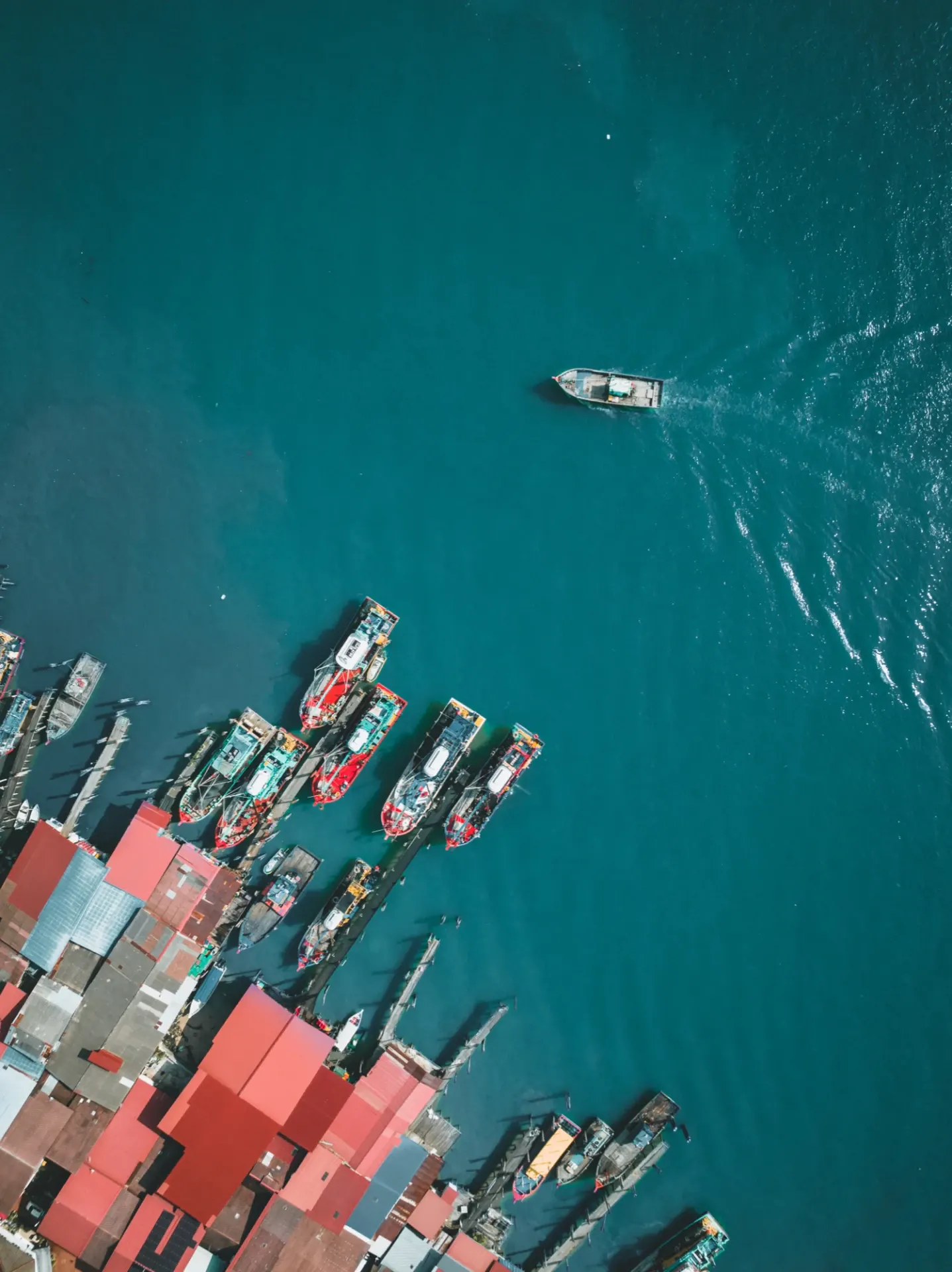
Artisanal fishing is often treated as a low-impact pursuit of enormous social benefit to coastal populations across the global south. Small-boat fisheries are not necessarily harmless. The artisanal method of dynamite fishing, also called blast or bomb fishing, can physically break up a living reef and leave a debris field that lasts for decades. A team from University College London recorded an average of one blast an hour in a single patch of Indonesian reef habitat, indicating the practice is more common in hotspot areas than previously believed.
Bomb blasts generate powerful underwater shock waves that can be detected at long range. Military-grade hydrophone technology can pick up a large blast from hundreds or thousands of nautical miles away in the right conditions. Simple, inexpensive devices can detect bomb fishing at up to roughly nine nautical miles in reef habitat, according to a team led by UCL doctoral student Ben Williams.
Williams specialises in designing underwater acoustic monitoring devices and AI systems for analysing acoustic signals. Working with colleagues from the United Kingdom and Indonesia, he set out to listen for blasting in the waters of the Spermonde Archipelago, a reef hotspot off the western coast of Makassar in the Java Sea. The area is dense with coral reefs and has a fishing-dependent local population. It is known as a problem region, but the exact extent was unclear.
The team placed a single hydrophone on a reef and returned periodically to retrieve recordings. Over 16 months they captured about five months of sound, some 3,650 hours. Listening through that volume by ear was impractical, so the team built a machine learning tool to detect the acoustic signature of an explosion, cutting the analysis from months to hours.
On average the hydrophone picked up 23 blasts every 24 hours, just short of one an hour. Activity peaked in the mornings and trailed off on Fridays, the local day of prayer. The team estimates the recorded events translate into a loss of about 30 acres of reef a year in a single 250-square-nautical-mile patch of water.
The same practice occurs in reef habitats across Southeast Asia and elsewhere. Because bomb fishing carries a strong long-range acoustic signature, low-cost automated detection opens a route to monitoring and enforcement that was not previously available, coauthor Tim Lamont said.