Houthis weigh toll system for Bab el-Mandeb transits
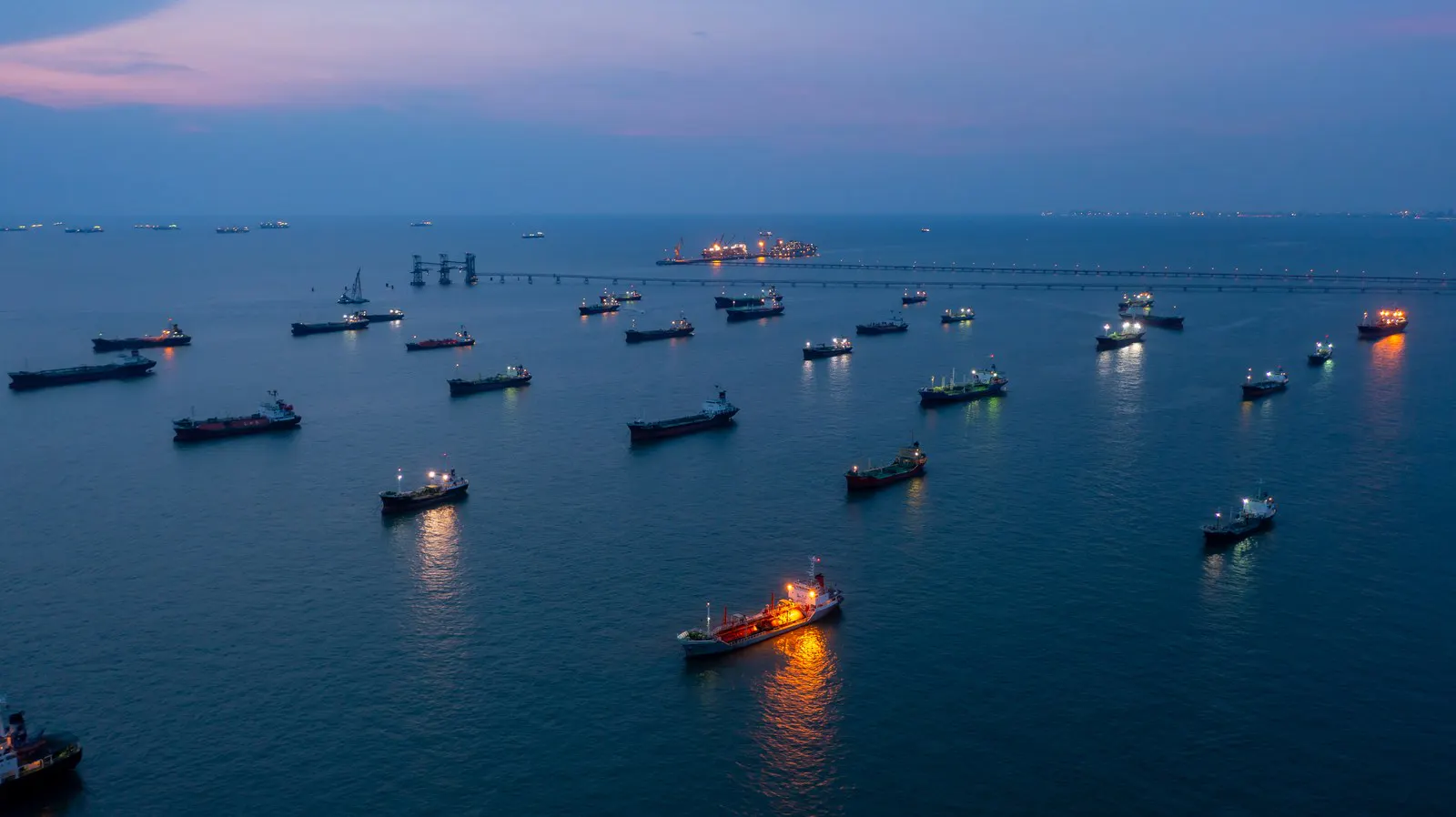
Yemen's Houthis are studying a scheme to charge commercial ships for passage through Bab el-Mandeb, a move that would convert a campaign of missile and drone attacks into a standing revenue system controlling access to the southern Red Sea. Regional officials briefed on the discussions say the Iran-aligned movement is examining fees applying to most vessels using the gateway that links the Red Sea with the Gulf of Aden. No timetable has been set and the group has not publicly confirmed the proposal.
The plan was reportedly discussed when Houthi officials travelled to Iran in July for the funeral of supreme leader Ali Khamenei. They returned to Yemen accompanied by Iranian advisers who are said to be helping design an administrative authority capable of levying and collecting the charges. That detail matters: a toll system requires an institution able to issue documentation, process payment and be recognised, however grudgingly, by owners and their insurers.
Officials briefed on the talks describe two objectives. The first is to normalise the collection of fees on an international waterway, establishing a precedent that would be difficult to reverse once shipping companies begin paying. The second is to increase pressure on Washington by making commercial access to the strait conditional on dealing with an actor the United States does not recognise. Chinese-controlled vessels could be exempted, reflecting Beijing's separate efforts to secure safe passage for tankers carrying Saudi crude.
The proposal closely follows Iran's own attempts to impose mandatory insurance and maritime-service payments on ships transiting the Strait of Hormuz. Washington described that arrangement this week as an extortion scheme backed by the Islamic Revolutionary Guard Corps and sanctioned two companies said to be involved. Read together, the two initiatives point towards a pattern in which armed control of a chokepoint is converted into a permanent financial claim on the traffic passing through it, rather than being used only as a bargaining position in a wider conflict.
The Houthis declared a maritime blockade against Saudi Arabia on 20 July and have since claimed attacks on several Saudi-linked tankers, describing the campaign as retaliation for the kingdom's role in Yemen's long-running war. For owners and charterers, a toll regime would create a set of problems distinct from the threat of attack. Payments to a sanctioned group carry legal exposure in most jurisdictions, and refusing to pay may in practice be treated as consent to be targeted. Neither outcome offers the predictability that routing decisions and war-risk cover depend on, and both would apply to a corridor that carries a substantial share of Europe-Asia trade.