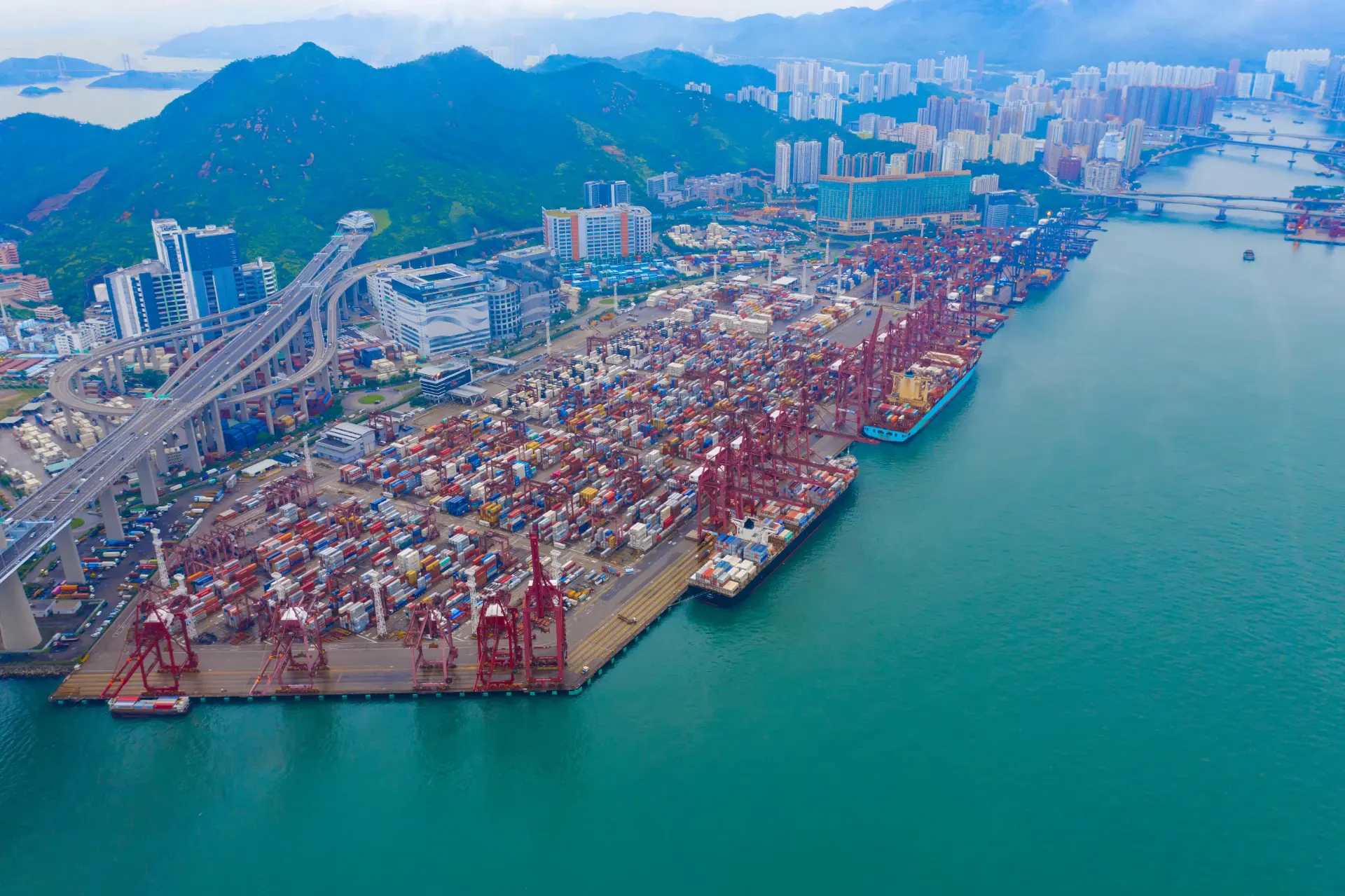
Houthis Deny Plan To Charge Ships For Red Sea Transit
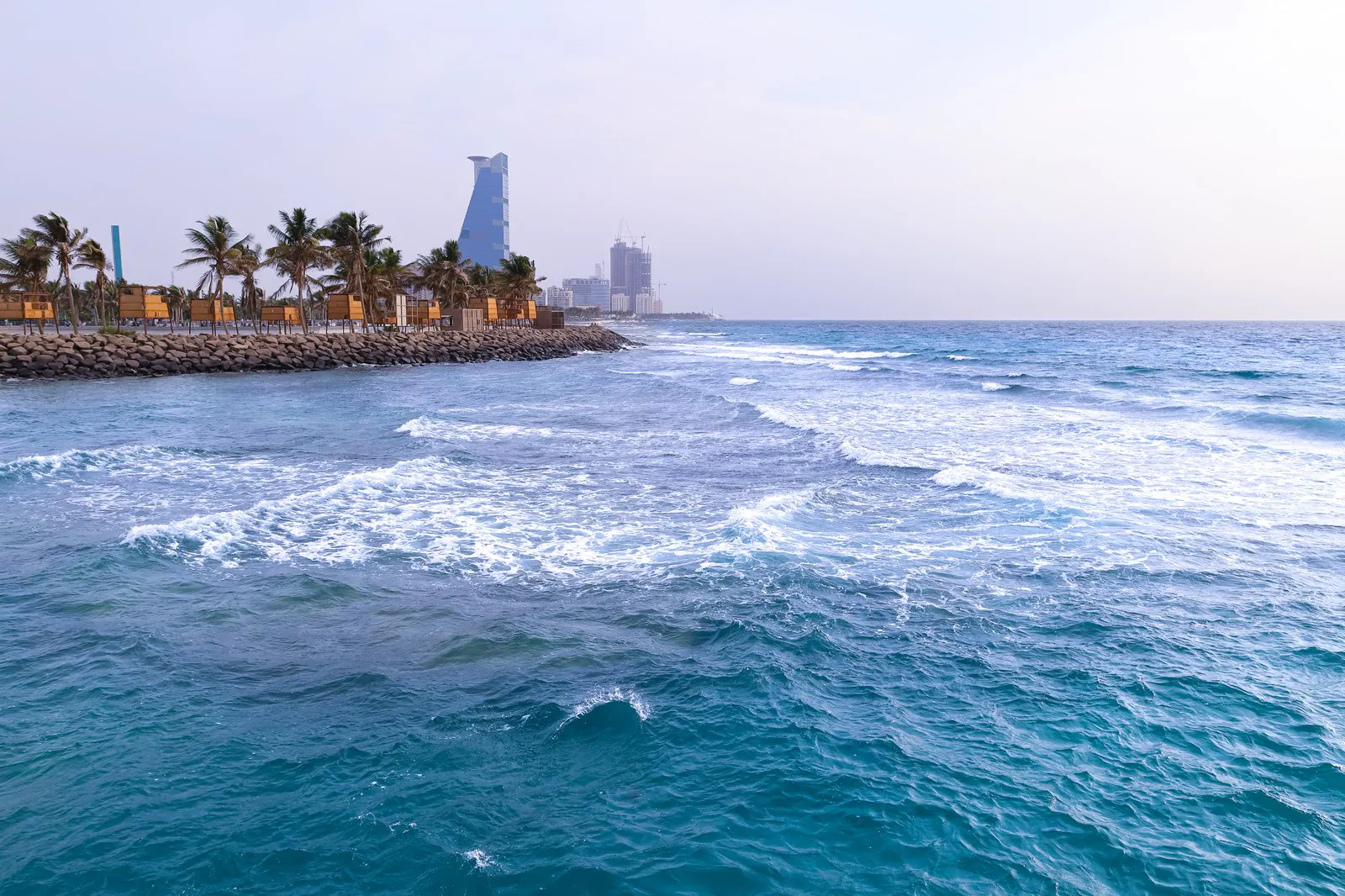
Yemen's Houthi movement has denied that it is planning to charge vessels for passage through the Red Sea, insisting that transit remains free. The denial was issued on Saturday in a statement from the group's Humanitarian Operations Coordination Center, the body that oversees vessel movement through the Bab el-Mandeb Strait. The centre said its safe transit service was voluntary and free of charge, and that anyone demanding payment for passage did not represent Yemen or the centre itself. It urged shipping companies not to make payments to, or share vessel information with, unauthorised parties.
The statement followed a report earlier in the week, citing regional sources, that the group had been considering imposing fees on ships transiting the strait. That report came a week after the Houthis declared a maritime blockade on Saudi Arabia. According to those sources, the idea was raised with Iranian officials during a Houthi delegation's visit to Tehran earlier in July, and Iranian advisers were said to be assisting in the establishment of an authority that would regulate the charges. The denial does not directly address whether such discussions took place.
Any formal toll on the strait would represent a structural change in the cost of world trade. Bab el-Mandeb is one of the small number of chokepoints through which a large share of seaborne energy and container volumes must pass, and a levy there would echo Iran's own efforts to charge vessels transiting the Strait of Hormuz, which has been largely shut since the conflict involving Iran began earlier this year. Yemen's foreign minister-designate, Afrah al-Zouba, said on Tuesday that the Houthis were seeking to copy the Iranian model.
A toll would hit Saudi Arabia particularly hard. The kingdom has increasingly relied on the Red Sea as an alternative export route while Hormuz remains disrupted, and a charge imposed at the southern end of that corridor would erode the advantage. In response to the renewed threat, Saudi Arabia announced this week that it would lead a fourteen-nation maritime coalition covering the same waters, a move that follows several years of attempts to build a durable protection arrangement for the route.
The denial does not resolve the underlying question of informal payments. A United Nations expert report previously found that the group may have collected significant informal fees from shipping agents during 2024, a finding that was never independently verified. Traffic through the strait has still not recovered to the levels seen before the campaign against Red Sea shipping began in 2023, and the volumes that do transit are heavily weighted towards vessels with owners or trades the group has signalled it will not target.