Hormuz Transits Fall to Two Vessels in a Day, Lowest Since May
Ten-day average stands at fourteen ships as transponders go dark
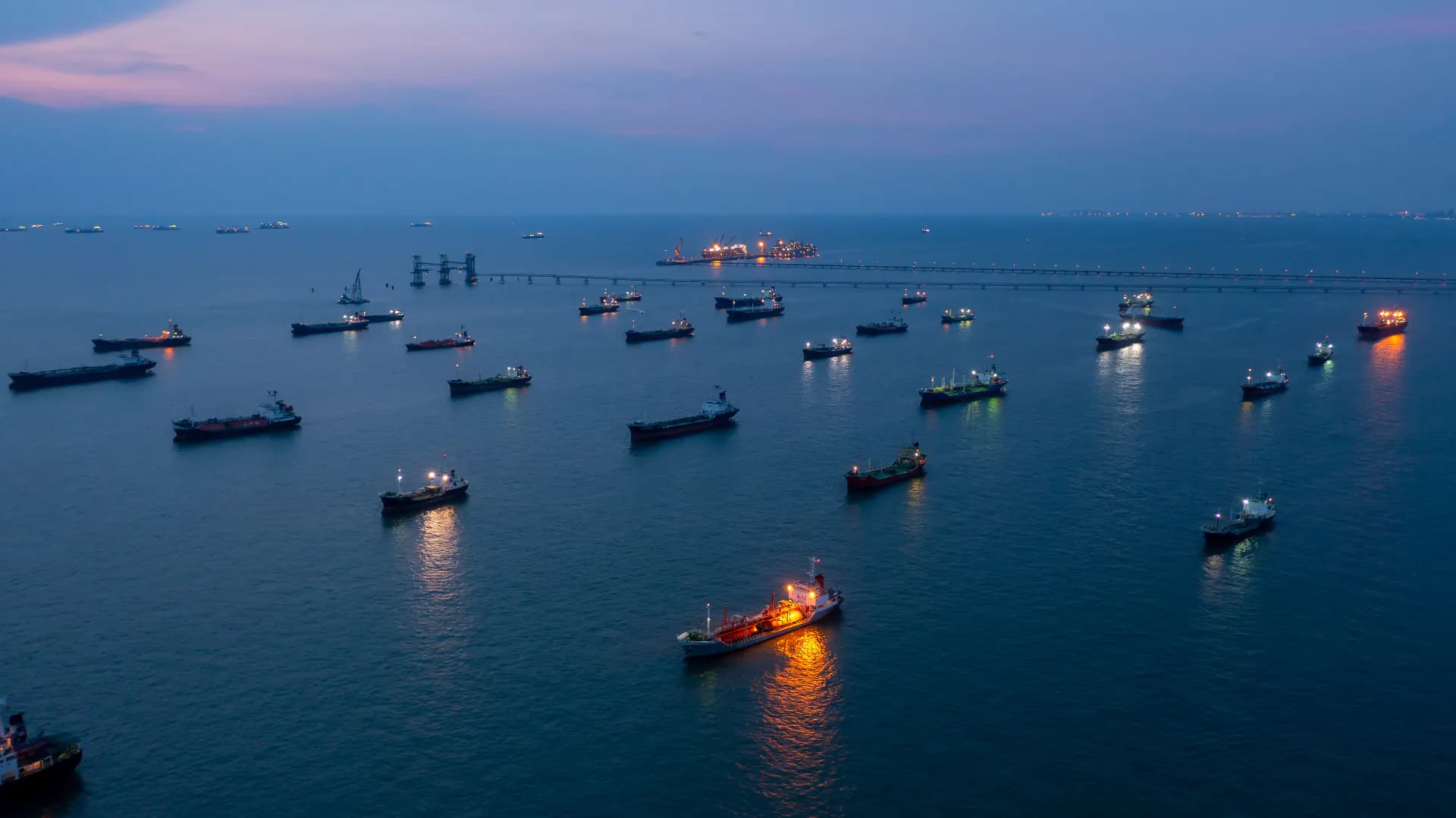
Kpler tracking data shows traffic through the Strait of Hormuz at its lowest daily level since the start of May, with only two ships transiting on August 24.
The two vessels, a large gas carrier and a large crude tanker, entered the strait via the Gulf of Oman. That is well below the ten-day average of fourteen ships, and fewer than 20 commercial vessels are estimated to have passed through the waterway across the whole weekend.
The figures carry a caveat. Some ships have switched off their transponders to cross unseen, so the count of physical transits is higher than the tracked total, and the data may be revised as gaps in coverage are reconciled against later position reports.
The collapse in traffic follows Tehran's decision to blacklist 45 tankers for breaching its rules on transiting the strait, and its threat of measures against any vessel conducting cargo transfers with a listed ship. Pressure over the waterway has escalated roughly six months after the start of the conflict.
Before the war, the strait carried around one fifth of global crude oil and liquefied natural gas volumes. Nothing has replaced that capacity; the barrels that still move do so at war-risk premiums and under naval escort or covert transit.
Over the preceding week, crossings had actually edged up 2.5% to 121, but laden transits fell 27% and sanctioned crossings rose from nine to 16. Roughly half of the vessels were tankers and a quarter were crude carriers, a mix that shows how much of the remaining traffic is ballast movement rather than cargo lifting.
Official statements point in different directions. The US energy secretary said on Friday that the seven-day average of oil leaving the strait was above eight million barrels a day, while US Central Command said its blockade remained in full force, with 70 vessels redirected as of August 23, three disabled and two boarded to ensure compliance.
Iran has vowed to retaliate against the expanded American sanctions aimed at cutting its economic lifelines, shipping among them, while expressing confidence that its main trading partners will resist the pressure. Countries that continue to trade with Iran risk losing access to the dollar-based financial system.
The traffic count has become the clearest single indicator of how the standoff is running, and it has been trending down for weeks even as covert crossings kept crude flowing.