HMM Signs a 25-Year Iron Ore Contract With Vale Worth KRW4.7trn
Eight tri-fuel newcastlemaxes ordered in June will carry the cargo from 2030
HMM has signed a long-term iron ore transportation contract with Vale worth approximately KRW4.7trn, extending the Korean carrier's move into long-duration dry bulk business at a point when its container earnings remain cyclical.
The agreement runs for 25 years per vessel, with transportation beginning in 2030. It is HMM's third major long-term contract with the Brazilian miner, following two separate ten-year deals secured in May and September 2025.
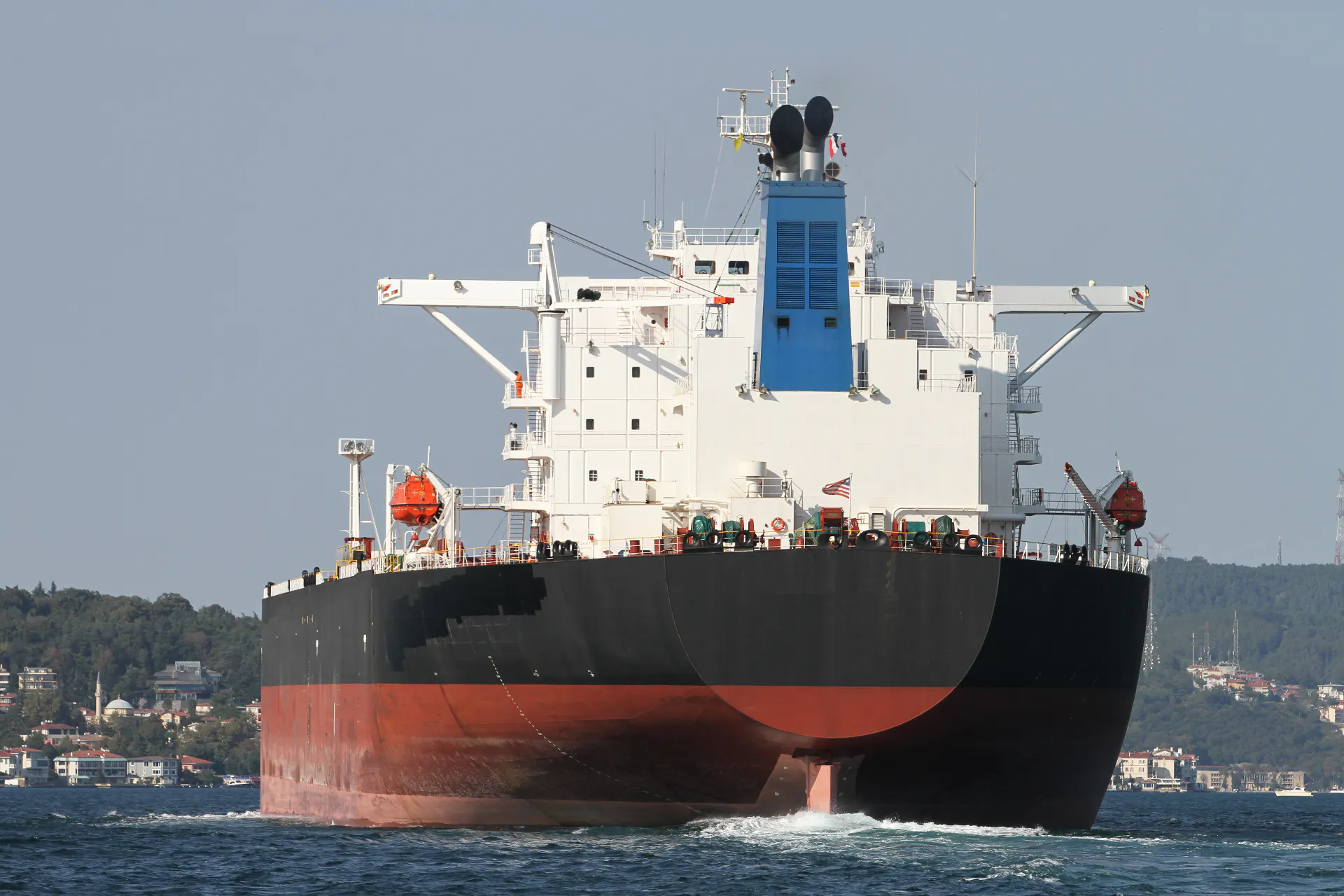
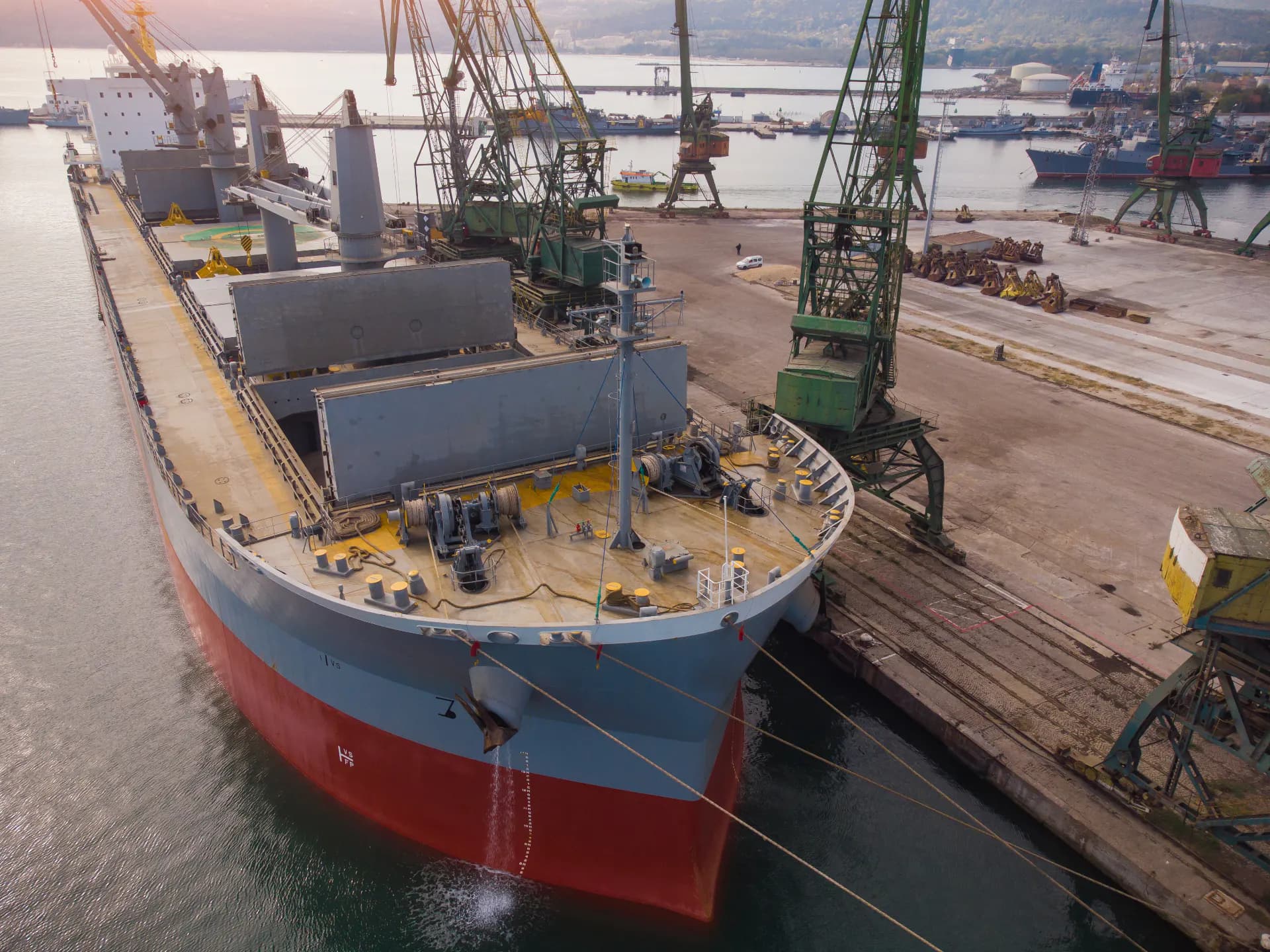
To serve it, HMM will deploy eight 210,000 dwt newcastlemax bulk carriers ordered in June, due for sequential delivery from 2030. The ships will be fitted with tri-fuel engines capable of burning methanol, ethanol and conventional bunker fuel, built LNG- and ammonia-ready, and fitted with rotor sails to improve fuel efficiency.
That specification matters for a contract of this length. A 25-year employment per hull runs well past the compliance thresholds now scheduled under international emissions rules, and the fuel flexibility built into the order is what allows the ships to be committed that far ahead without fixing a single bunker choice at the point of order.
"This long-term contract reaffirms our strong, strategic partnership with a premier global charterer," an HMM spokesperson said.
The commercial logic is the stability. Long-dated contracts of affreightment with a single miner insulate a shipowner from the swings that dominate spot dry bulk, and they give the charterer certainty of tonnage on a trade where Brazilian ore to Asia is the longest leg in the seaborne iron ore market. For HMM, which has been building a bulk arm alongside a box business exposed to rate cycles, three contracts with the same counterparty inside sixteen months amounts to a deliberate rebalancing of the fleet.
The order also fixes eight capesize-scale hulls into a single trade for a quarter of a century, at a time when yard slots for newbuildings of this size remain tight and delivery dates for fresh orders have moved well into the decade.
This story is part of the Maritime Briefing of 9 September 2026.