Heavy Transport Vessel For Offshore Wind To Get Electric Propulsion Package
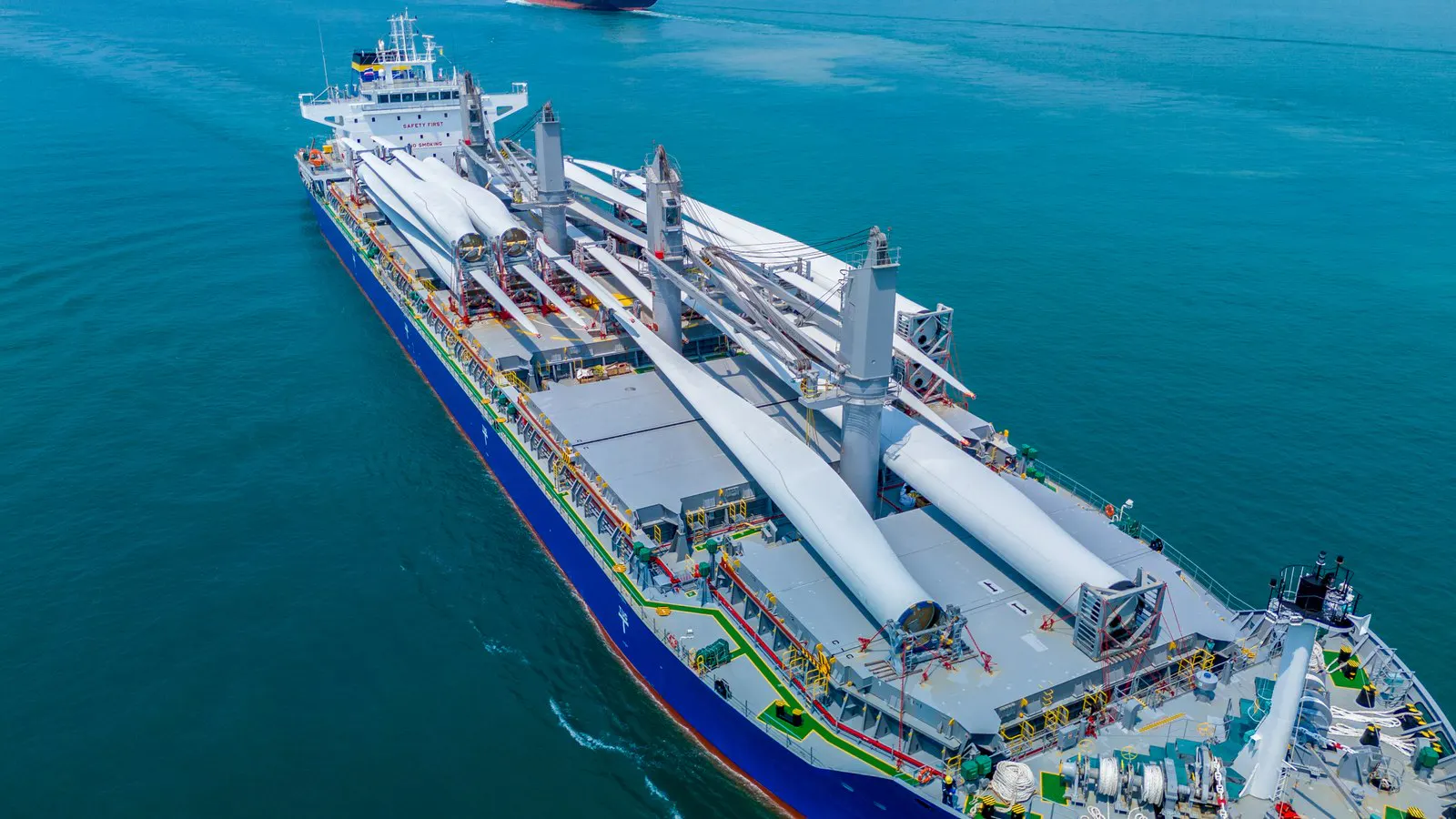
A Swiss-based offshore contractor's new semi-submersible heavy transport vessel will be fitted with an integrated power and propulsion package built around four azimuthing electric propulsion units of 3.5 megawatts each, under a contract awarded to a European electrical systems supplier. The 230 metre ship is under construction at a Chinese yard for delivery in 2028 and will carry loads of up to forty thousand tonnes.
Semi-submersible heavy transport vessels work by ballasting down until the cargo deck is beneath the surface, floating the cargo over the deck, and then deballasting to lift it clear of the water. The technique allows objects that could never be craned aboard to be moved by sea, and it is how drilling rigs, damaged warships and enormous prefabricated structures cross oceans. Forty thousand tonnes of capacity places this vessel among the larger units of its kind.
The propulsion choice is driven by the way the ship works rather than by fuel economy. Azimuthing pods rotate through a full circle, providing thrust in any direction without a rudder, which is what makes precise station-keeping possible during the float-over operation. Positioning a semi-submersible under a cargo in open water, holding it against wind and current within a tolerance measured in centimetres, is the single most demanding thing the vessel does, and the propulsion arrangement exists principally to make it possible.
The offshore wind connection explains the timing. Turbine foundations, transition pieces and offshore substations have grown far beyond what conventional heavy-lift ships can handle, and the components are being manufactured at a small number of specialised facilities and shipped to project sites across oceans. The vessels capable of moving them are few, booked years ahead and command rates accordingly, which is what justifies a newbuilding of this scale.
The 2028 delivery is the constraint the industry keeps encountering. Offshore wind targets set by governments assume installation rates that depend on vessels not yet built, and the specialist tonnage takes four to five years from order to service. A ship ordered today arrives towards the end of the decade regardless of how urgent the need becomes in the interim, which is why the installation timetable rather than the turbine supply chain has become the binding limit on how quickly capacity can be added.