Hanjin's Collapse Returns to Court as Korea Rethinks Rehabilitation Rules
Seoul is weighing whether examiner valuations still get to decide which companies survive.
Ten years after Hanjin Shipping's failure stranded cargo across the world's container ship trades, the carrier has returned to the centre of a legal debate in Seoul over how Korea decides which distressed companies are rescued and which are wound up.
The Seoul Rehabilitation Court is weighing how much weight to place on court-appointed examiners, whose valuation of a distressed business can settle in practice whether it is rescued or wound up. Under review is whether creditors and the debtor could be handed a defined chance to negotiate a restructuring, fresh money or another rescue route before that figure hardens into the deciding fact.
Hanjin is the case that made the question concrete. The examiner appointed in its proceedings concluded that the carrier's liquidation value exceeded its value as a going concern. Rehabilitation was terminated on that basis and the company was declared bankrupt in early 2017, a little over four months after it first sought protection.
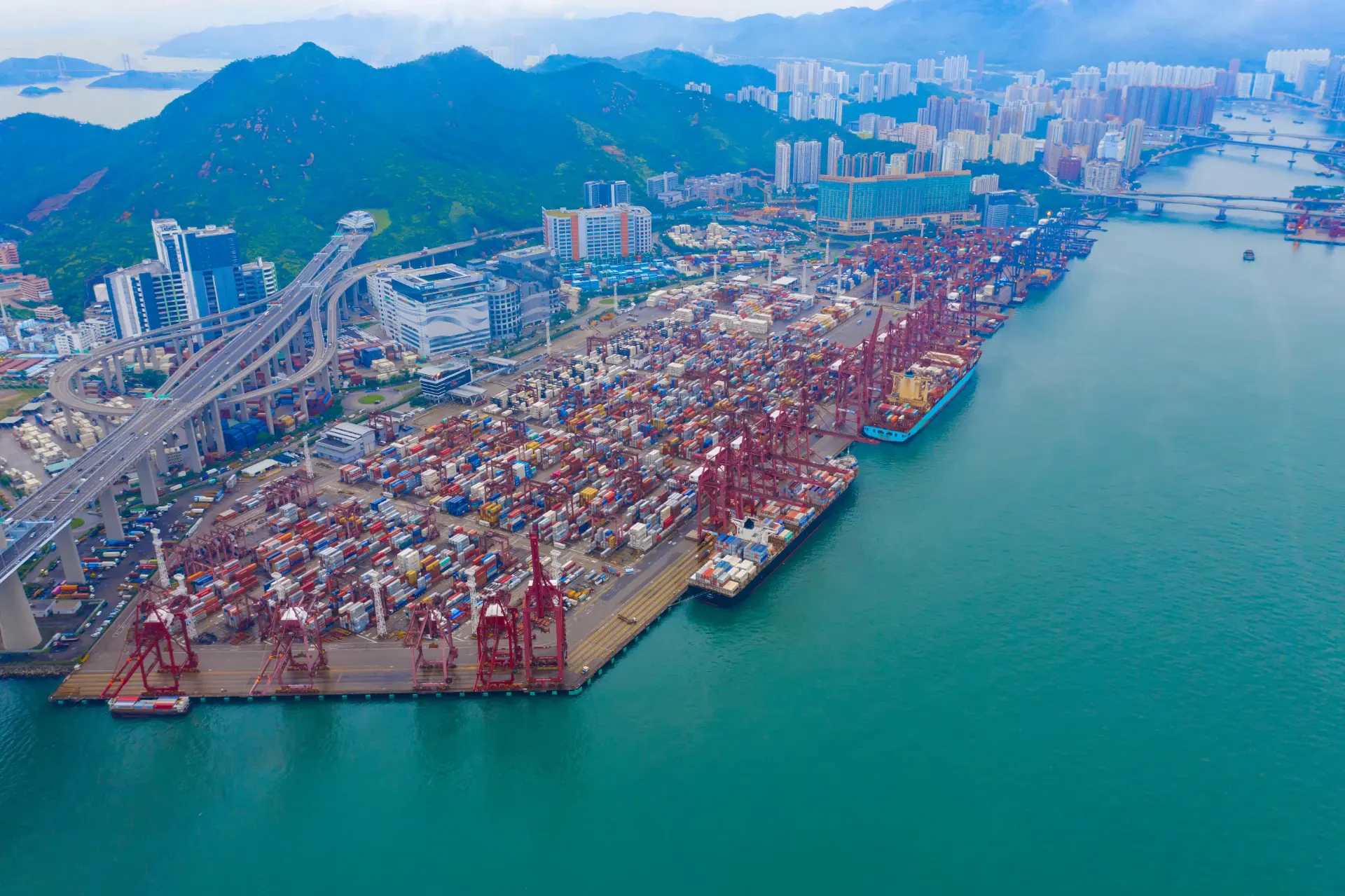
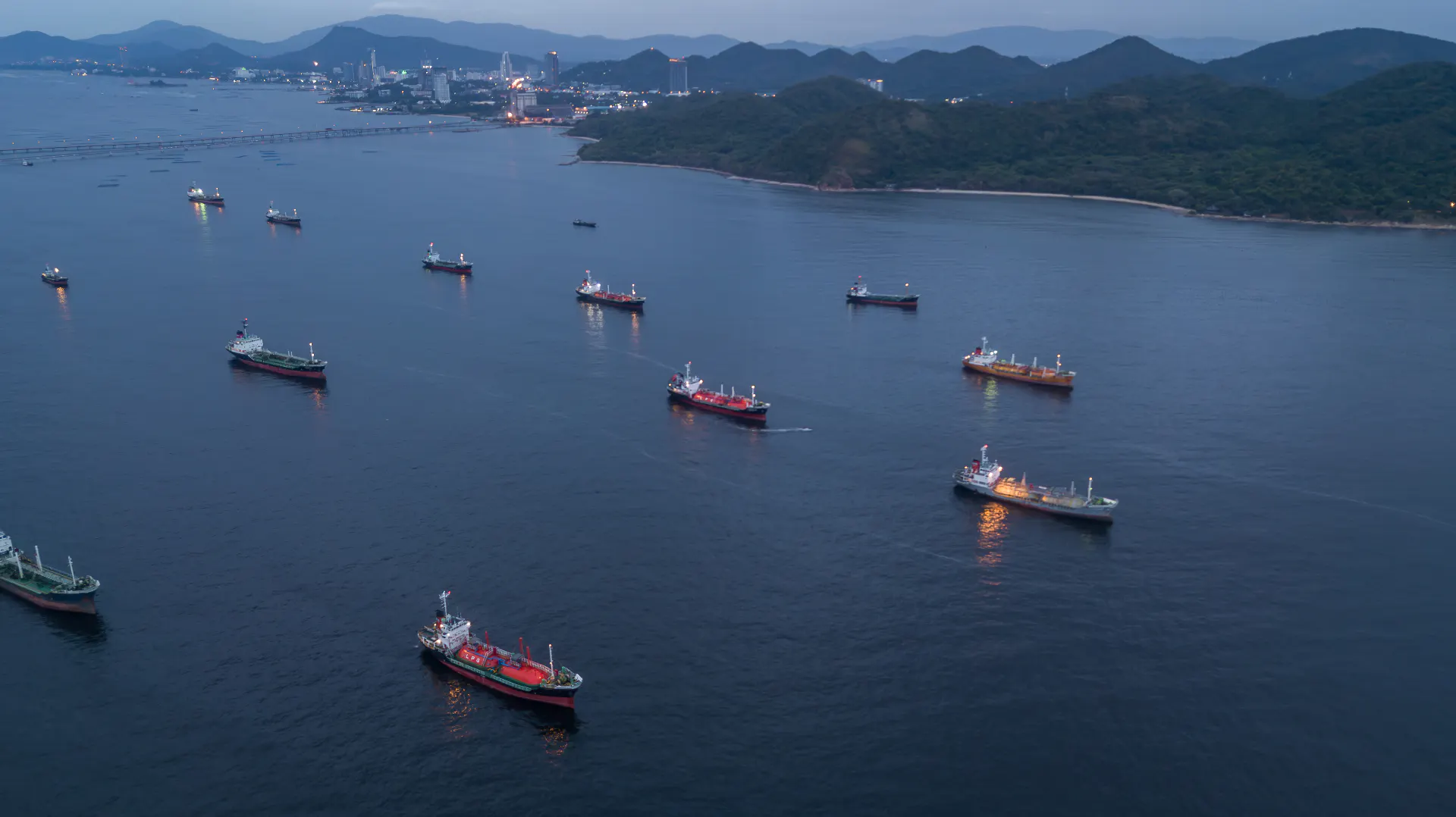
The commercial consequences reached far beyond Korea. Ships were refused entry, arrested or left at anchor as terminals and bunker suppliers declined to serve tonnage whose bills might never be paid. Hundreds of thousands of shipments were delayed at multiple chokepoints in the supply chain, and an estimated $14bn of cargo was stranded at sea while owners, charterers and cargo interests argued over who would fund the discharge.
The examiner mechanism is what made the outcome so abrupt. A single valuation exercise, conducted early and under time pressure, set the frame within which every other party had to act, and once the going-concern number came in below liquidation there was little procedural room left for creditors to assemble an alternative.
What the court is now weighing is the sequencing of that step rather than its existence. Giving creditors and debtors a defined window to negotiate before the valuation hardens would change the order in which the decisive facts are established, and for shipping specifically it would change how quickly counterparties learn whether a carrier's ships will keep trading.
Liner shipping remains structurally exposed to the same problem. Operators run chartered-in fleets against slot commitments and long-dated terminal contracts, so an insolvency filing propagates through counterparties faster than a court can convene, and the value of the asset base is bound up in whether the network keeps operating at all.