Hamburg Container Throughput Falls In A Difficult First Half
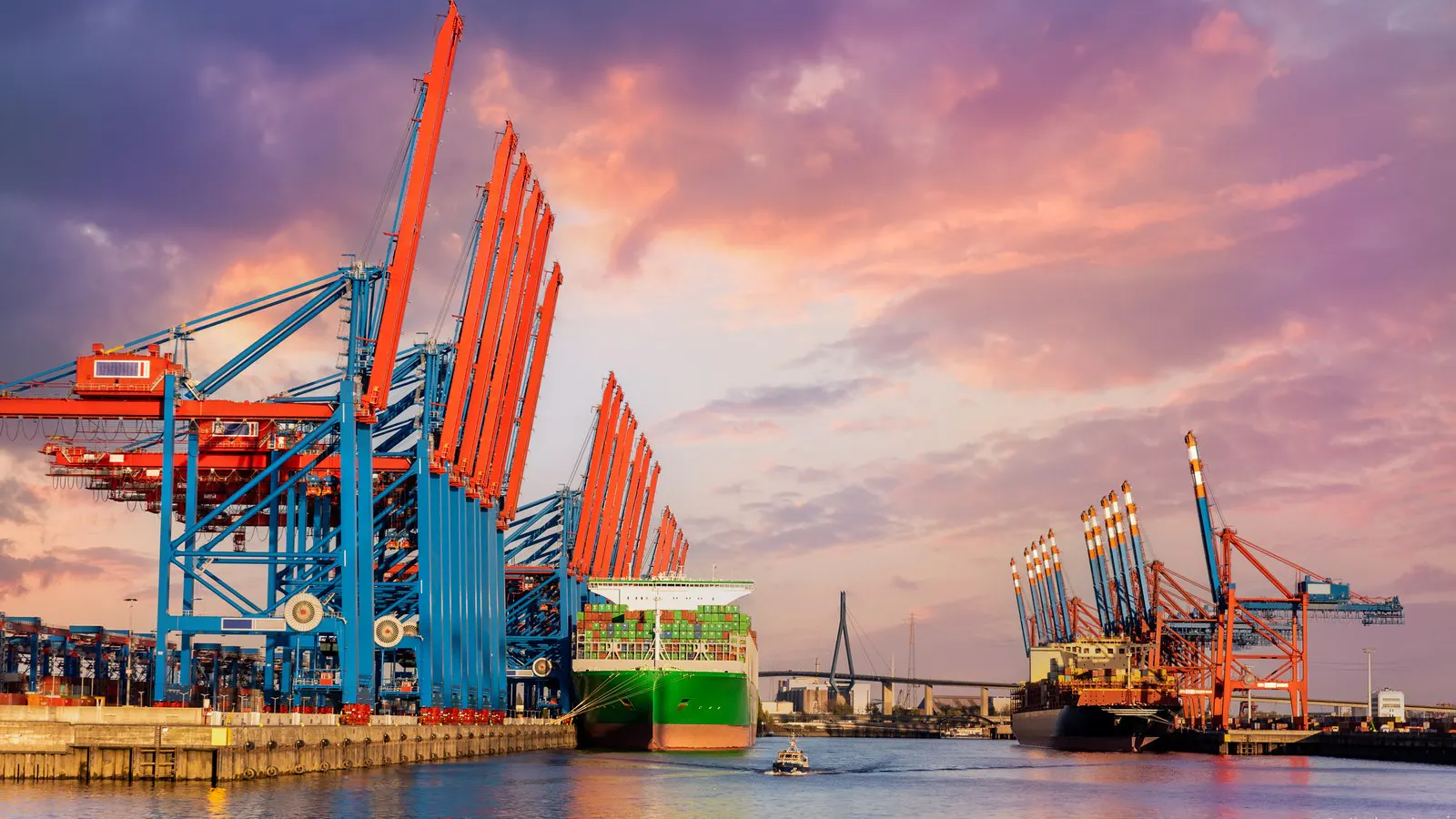
Germany's largest seaport handled 56.1 million tonnes of cargo in the first half of 2026, a decline of 3.1 percent against the same period a year earlier, in a result the port authority has characterised as challenging. Weather-related losses from January had largely been recovered by the end of the first quarter, so the half-year outcome reflects two other pressures instead: an unfinished terminal modernisation programme and a fall in imports of petroleum products.
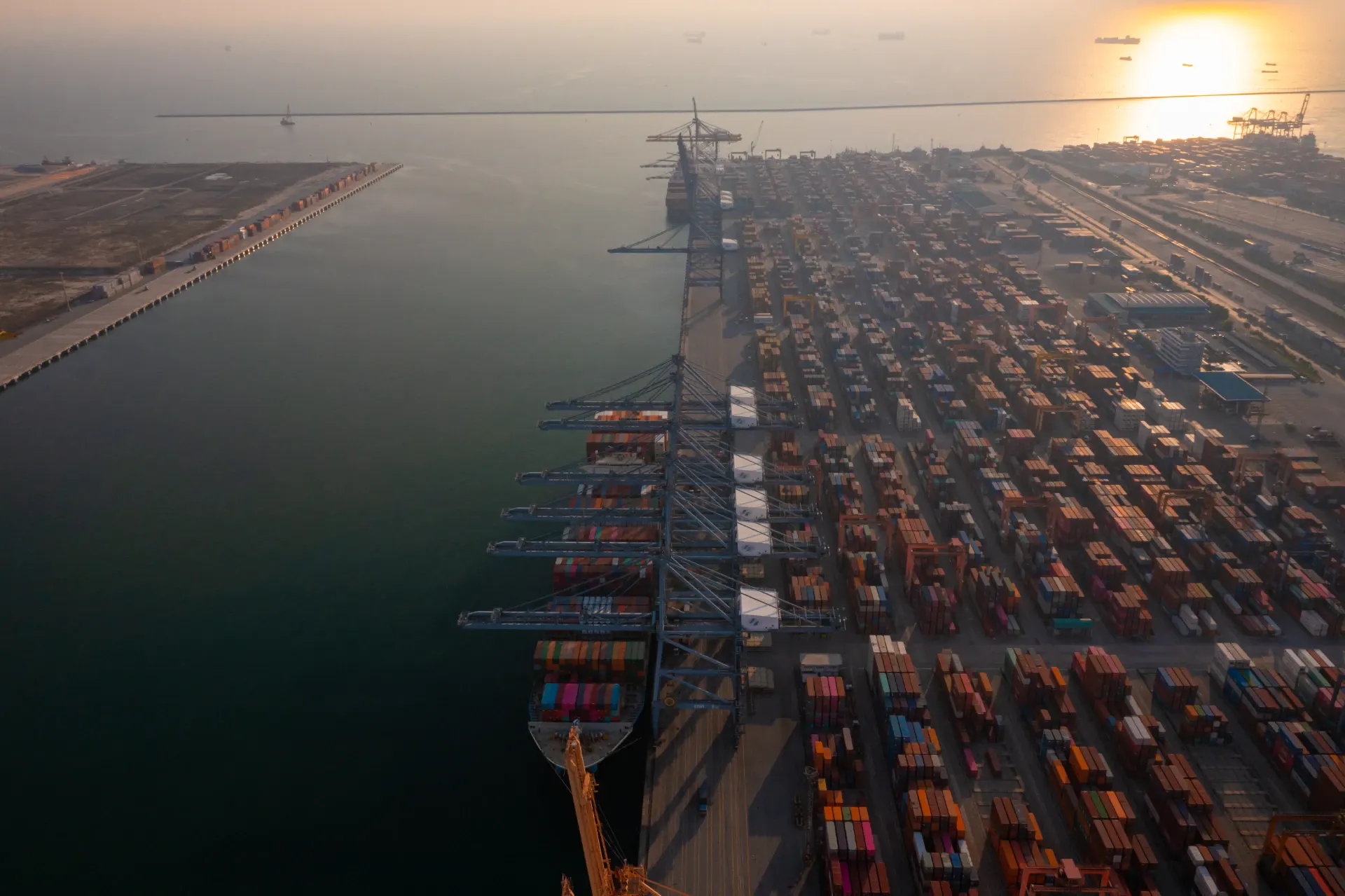
Container volumes came to 4.0 million boxes, down 3.8 percent in units and 4.0 percent in tonnes. The immediate cause is self-inflicted and temporary. Modernisation work by the port's largest terminal operator, intended to raise handling efficiency once complete, reduced available terminal capacity through the most recent quarter. That is the kind of decline a port accepts deliberately, since the alternative is to defer the investment and lose the capacity permanently to competitors with deeper water and newer cranes.
The trade pattern underneath the headline is more revealing than the total. Volumes grew with Singapore, up 13.1 percent, Finland, up 24.7 percent, India, up 7.2 percent, and Morocco, up 4.7 percent. Against that, container handling with the United States fell 13.5 percent, the sharpest single movement in the set, with negative trends also recorded on the China and United Kingdom trades. A north European hub losing double-digit volume on the transatlantic while gaining on Asian and North African routings is describing a redirection of trade rather than a simple contraction of it.
Bulk cargo totalled 15.9 million tonnes, about 1.1 percent below last year, but the aggregate hides two opposite movements. Liquid bulk fell sharply, by 14.0 percent, as pressure on global energy markets from the war in Iran cut petroleum imports and reduced biodiesel throughput from April onwards. Dry bulk rose 4.2 percent on the back of significantly higher ore imports and stronger grain exports, which is consistent with a European steel and agricultural cycle that has held up better than the energy trades.
Conventional general cargo, the smallest and most volatile of the segments, came in at 535 thousand tonnes, down 5.0 percent, driven principally by weaker exports of steel products, though the fall was less severe than at the end of the first quarter. Because these cargoes are high in value and low in the number of handling operations, a handful of shipments moves the percentage, and the segment should not be read as a trend on its own. The port authority will publish its full annual assessment at the end of September.