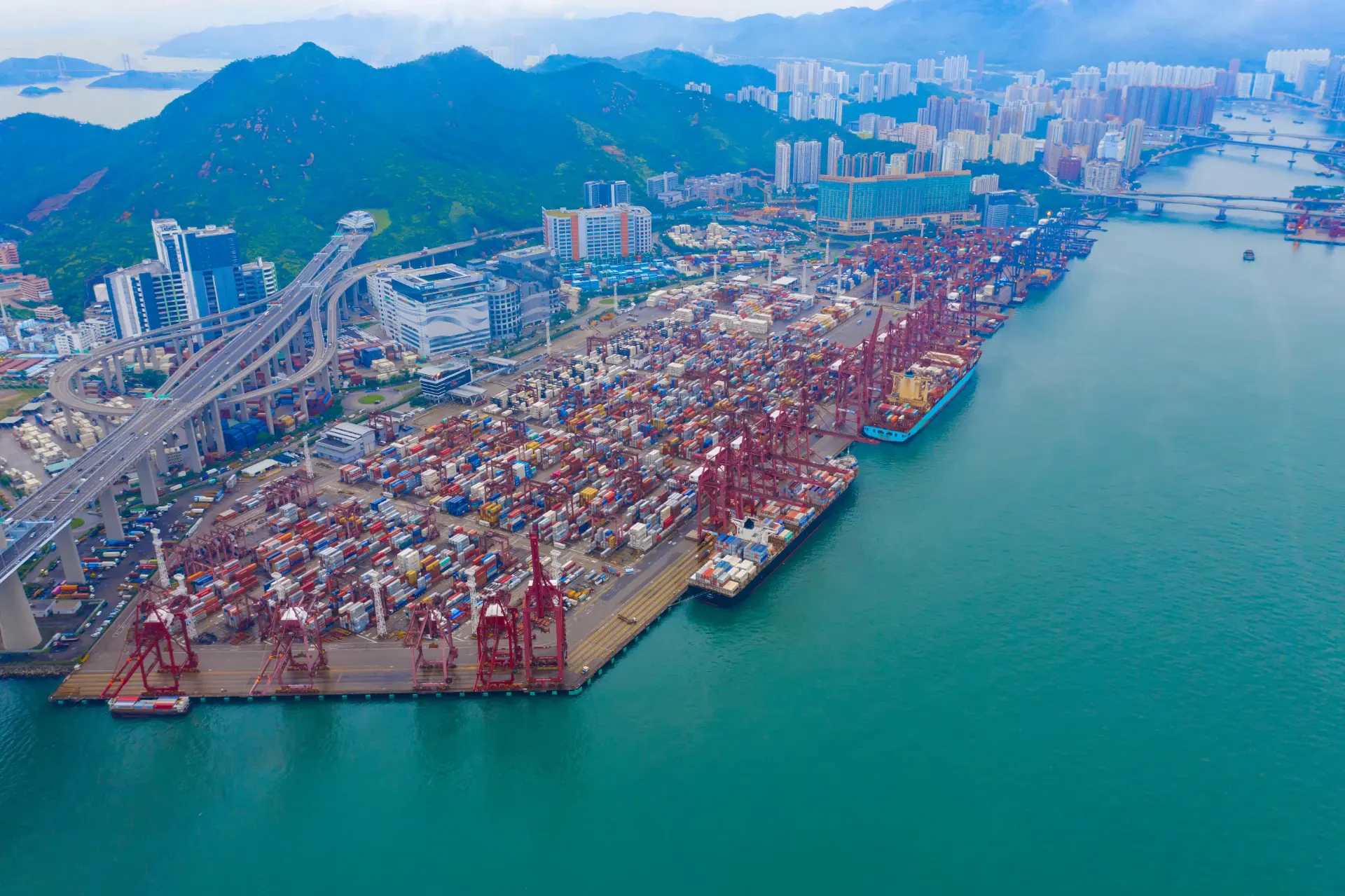
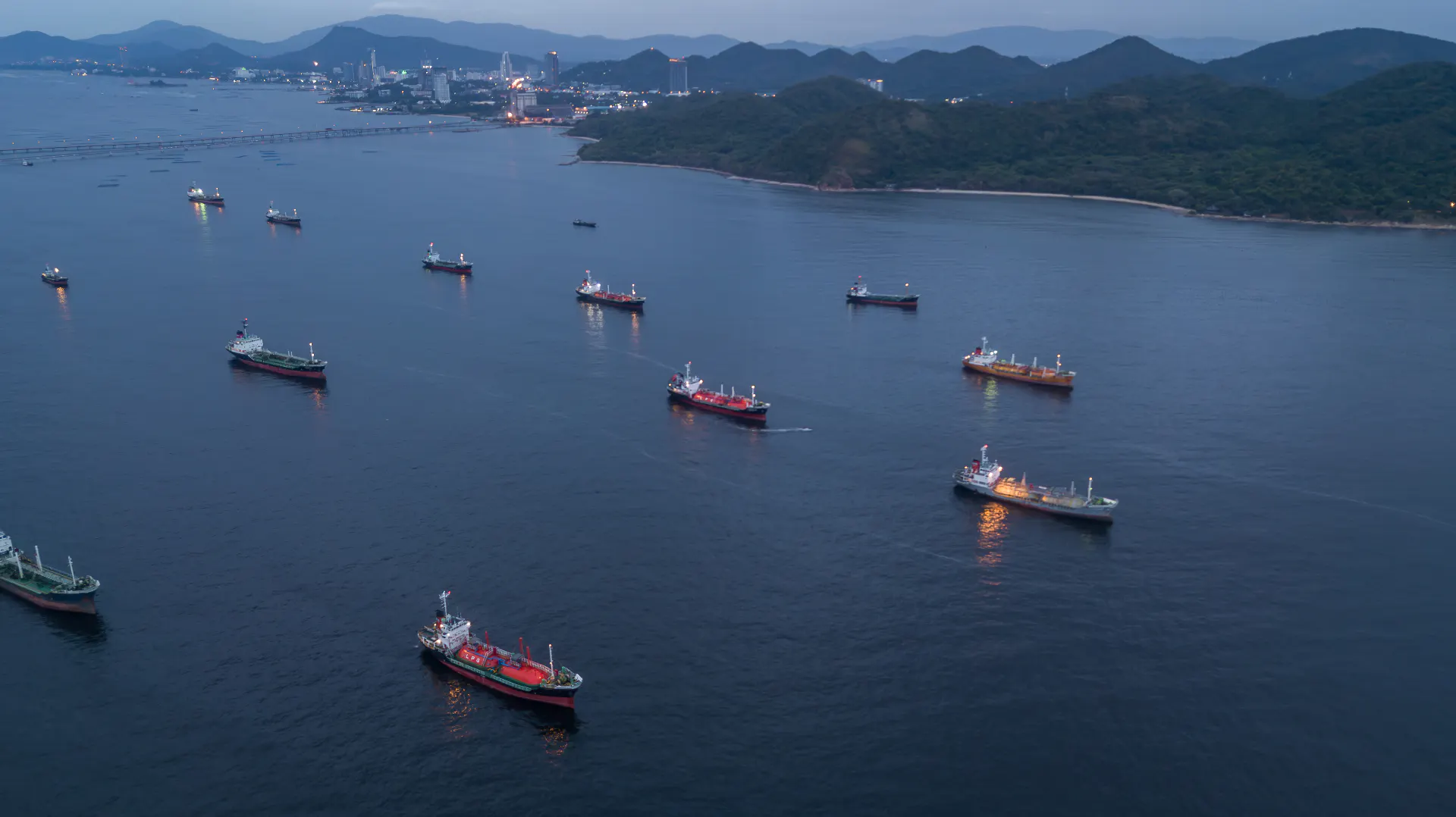
Greek Tanker Owner Returns To Medium Range Newbuildings

A Greek tanker owner has returned to the medium range newbuilding market with an order in China for a pair of 50,000 deadweight tonne vessels, ending a lengthy absence from the segment. Price and delivery details have not been disclosed. The order follows a pattern of established owners re-entering the market after years of restraint.
Medium range tankers carry refined products rather than crude, and their fortunes have been reshaped by a structural change in where refining happens. Capacity has closed in Europe and on the American east coast while new plants have opened in the Middle East, India and Asia, which means finished products travel considerably further than they used to. Longer voyages absorb more ships for the same volume of cargo.
That change is more durable than a freight cycle. Refineries take years to build and decades to amortise, and once a European plant closes it does not reopen. The trade pattern created by that shift will persist for as long as the new plants operate, which gives an owner ordering today a reasonable basis for expecting employment across the life of the vessel rather than merely across the current market.
The vessels themselves sit at a size that has proved consistently useful. Fifty thousand tonnes is large enough to move products economically over intercontinental distances and small enough to enter the great majority of product terminals, including many that cannot handle larger tonnage. Ships in this band trade globally and switch between clean and dirty cargoes with cleaning, which gives them a flexibility that larger vessels lack.
The pattern of Greek owners returning to the yards after long absences is now widespread enough to be worth noting on its own. Several established families have ordered in recent months after gaps measured in years, which suggests a shared conclusion that secondhand values have risen far enough to make new construction the better option. When a group of owners with a reputation for buying cheap starts building instead, it is generally a signal that the cheap tonnage has run out. The risk in that reading is that everyone reaches it at once. An orderbook that stays thin for years and then fills quickly produces a wave of deliveries three or four years later, and the owners who ordered last are the ones who receive their ships into the resulting surplus.