Greek Owner Returns To Newbuilding Market After Fifteen Years
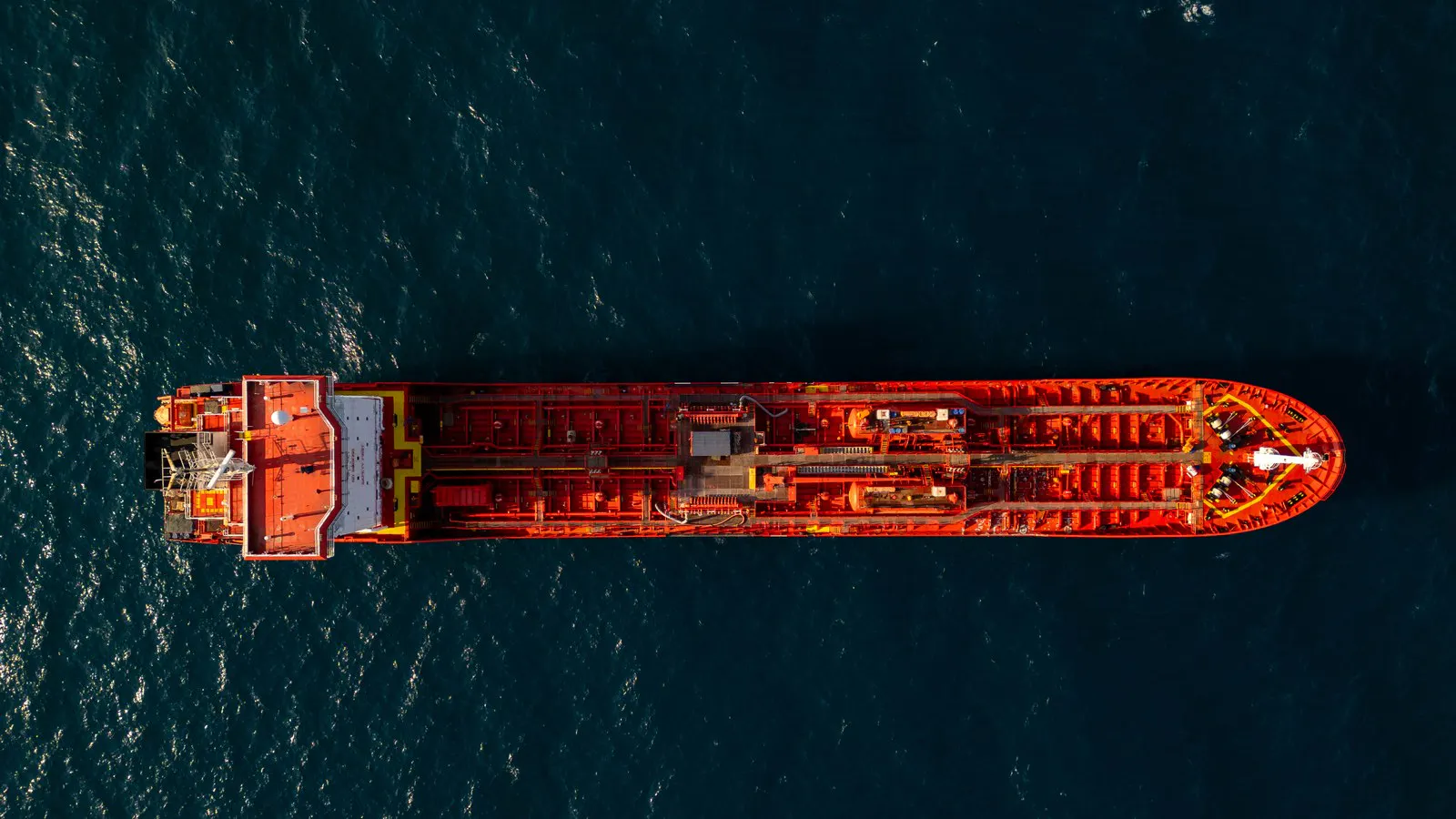
A Greek tanker owner has re-entered the newbuilding market after a fifteen-year absence, with a 113,500 deadweight tonne crude and product tanker under construction at a Chinese yard for delivery in September. It is the company's first newbuilding order since 2011, a gap that spans almost the entire period since the last major tanker ordering cycle.
A fifteen-year absence from ordering is a strategy rather than an oversight. Greek owners have historically made their returns by buying secondhand tonnage cheaply in distressed markets and selling it when values recover, an approach that requires patience and a strong balance sheet but avoids the risk of committing to a newbuilding price at the top of a cycle. Choosing to build now indicates a judgement that secondhand values have risen far enough that new construction has become the better route to tonnage.
That judgement is well supported by the state of the market. Tanker values have been strong, driven by trade patterns lengthened by the rerouting of cargoes around disrupted waterways and by an orderbook that stayed unusually small through years when owners hesitated over which fuel to specify. A shortage of modern tonnage lifts secondhand prices towards, and sometimes past, the cost of building new, at which point the calculation reverses.
The vessel size sits at the boundary between two categories, large enough to carry crude on medium-length routes but capable of carrying refined products, which gives the owner the flexibility to switch between trades as the differential between crude and product freight rates moves. That optionality has become more valuable as refining capacity has shifted away from consuming regions, lengthening product voyages and periodically making the clean trades more attractive than the dirty ones.
A September delivery for an order placed by a returning owner means the contract was taken over from another party or agreed some time ago, since no yard is delivering newly ordered tankers within months. Either way the ship arrives into a market where the ordering restraint of the past decade has left relatively few modern vessels competing for the same cargoes, which is the condition every owner hopes for and few manage to time correctly.