Gas Producer Commits To A Fourth Floating Liquefaction Unit
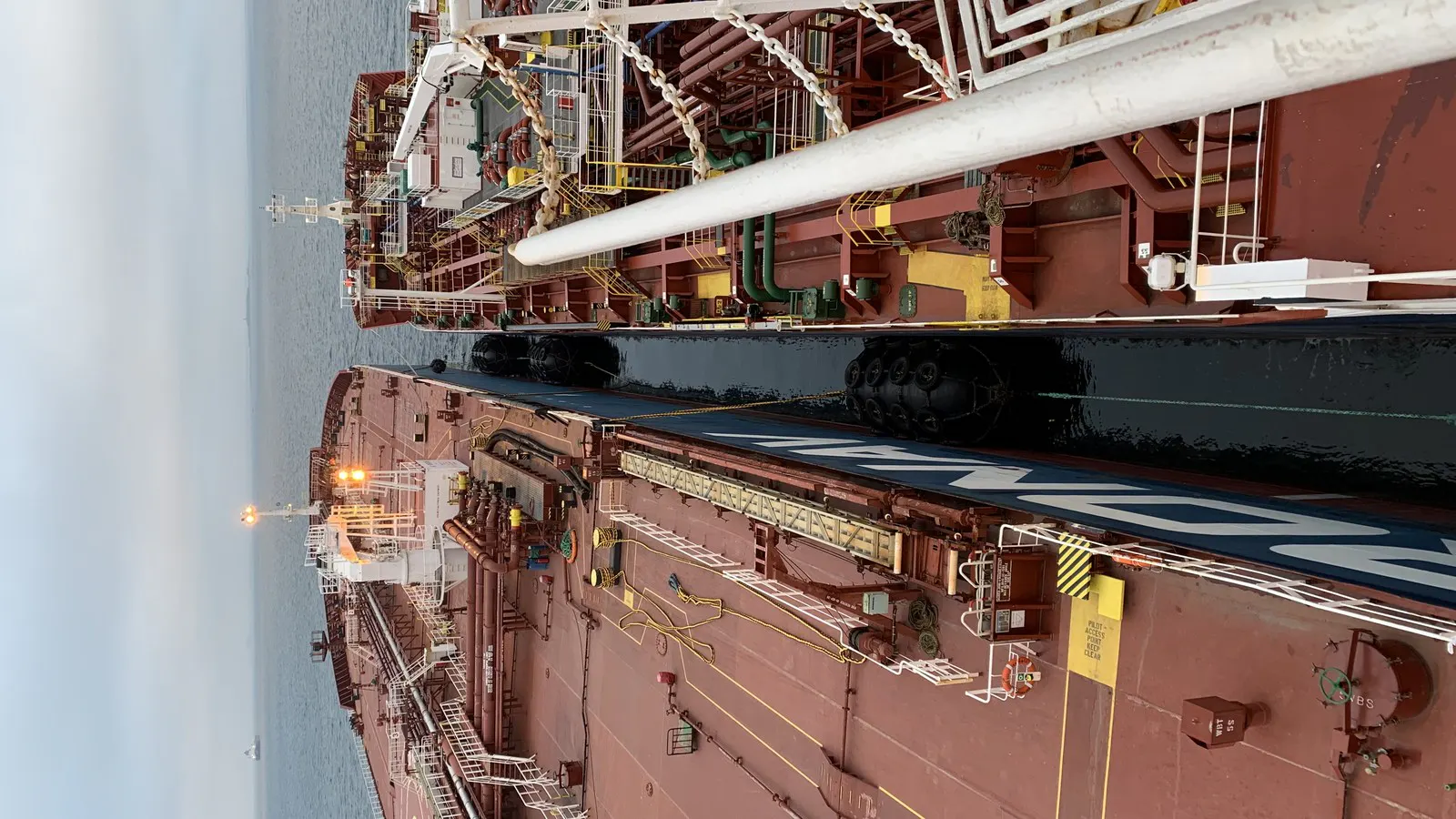
A Nasdaq-listed gas shipping and liquefaction company has taken a final investment decision on a fourth floating liquefaction unit, ordering a vessel with capacity of about 3.5 million tonnes a year at a Chinese yard for delivery by the end of 2029, at an expected cost of around 2.45 billion dollars. The addition materially increases the company's controlled liquefaction capacity.
Floating liquefaction addresses a problem that has stranded gas reserves for decades. Building an onshore liquefaction plant requires enormous capital, secure land tenure, a stable host government and a resource large enough to justify a facility that cannot be moved. A floating unit can be built in a shipyard, towed to a field, connected, and eventually disconnected and redeployed if the reservoir depletes or conditions change.
That mobility transforms the risk profile of a marginal gas discovery. A field too small or too politically exposed to support a fixed plant may support a floating one, because the asset retains value independent of the location. It also compresses the timeline: shipyard construction runs in parallel with field development rather than sequentially after it, which can remove years from the path to first cargo.
Two and a half billion dollars remains a very large commitment against a delivery four years away, in a market where liquefaction capacity is expanding on several continents at once. The bet is that demand for gas grows faster than the supply of ways to liquefy it, and that flexible capacity commands a premium over fixed capacity when buyers and sellers cannot agree on twenty-year contracts.
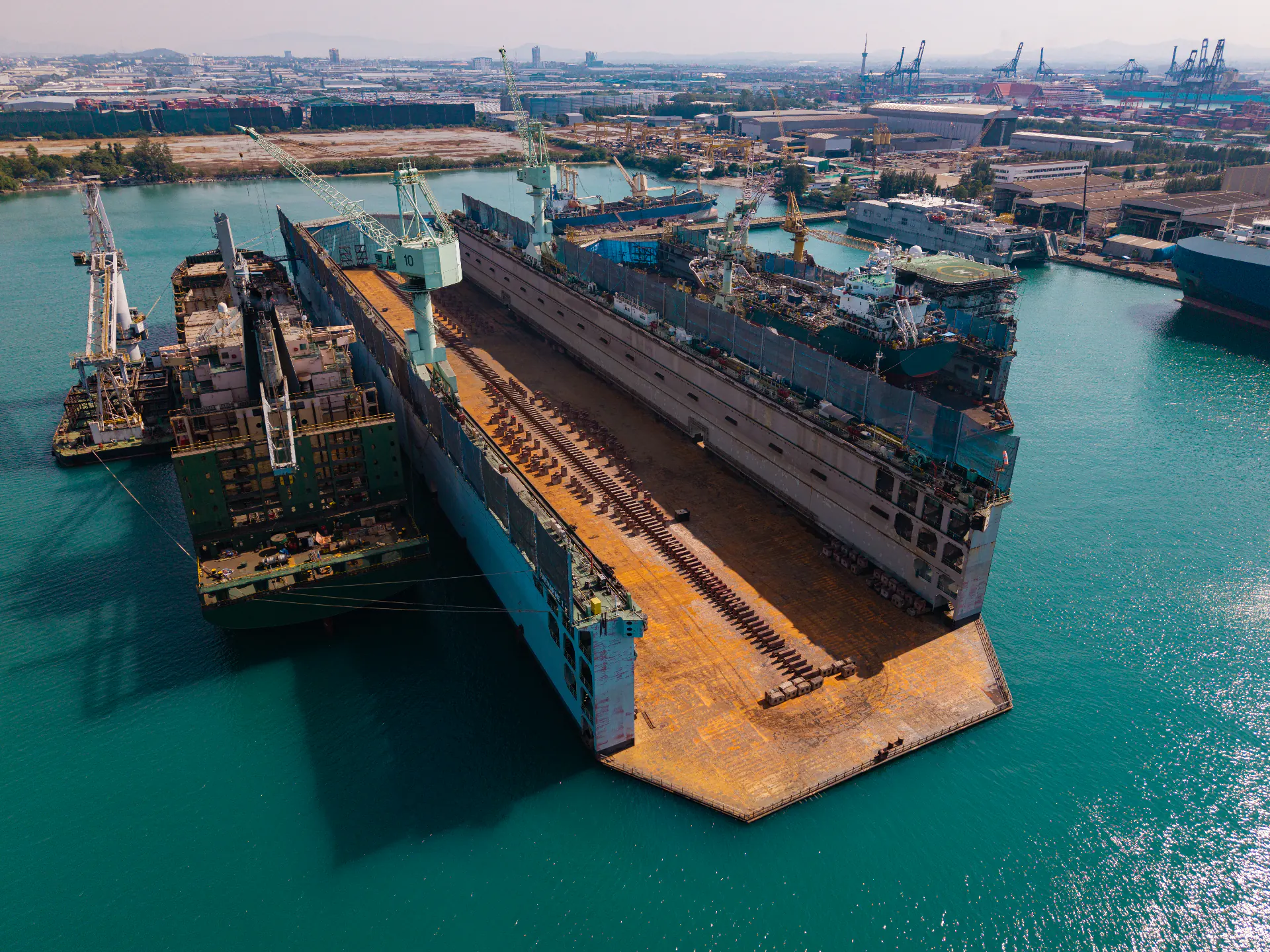
The choice of a Chinese builder for a unit of this complexity is itself significant. Floating liquefaction was pioneered by Korean and European yards, and the migration of the work to China follows the same path taken by container ships, bulk carriers and increasingly by gas carriers. Each successful delivery makes the next order easier to place, and the competitive position of the yards that developed the technology erodes a little further with each one. The delivery date is the part worth watching. Floating liquefaction units have a history of arriving late and over budget, because they combine shipyard construction with process plant engineering and neither discipline fully controls the other. A 2029 date announced in 2026 is a statement of intent rather than a schedule anyone should plan around.