France Commits 260 Million Euros To Five Ports For Floating Wind
France has committed 260 million euros to five ports to prepare them for floating offshore wind construction, in an allocation the government expects to unlock around a billion euros of total investment in port infrastructure. The money is drawn from the national industrial investment programme and is directed at Cherbourg, Brest, Nantes-Saint-Nazaire, Port-la-Nouvelle and Marseille-Fos, covering both the Atlantic and Mediterranean coasts.
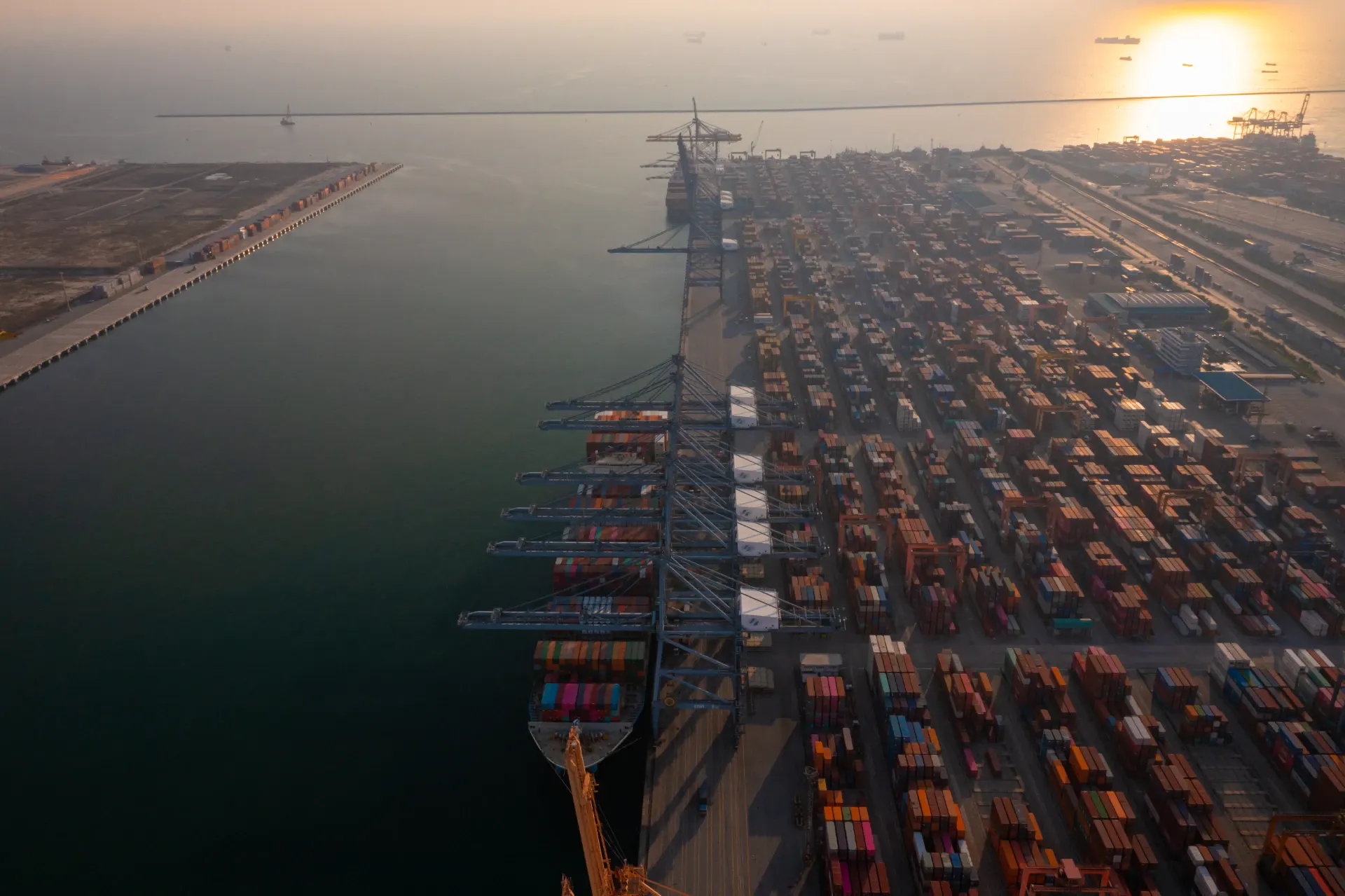
The target behind the spending is six gigawatts of floating wind capacity by 2040. Reaching it requires quaysides that can carry loads no conventional cargo terminal is built for, because floating foundations are assembled onshore, moved to the water in one piece and towed out complete with their turbines already installed. That method removes the need for offshore heavy lift, which is the principal cost driver in fixed-bottom construction, but it transfers the requirement to the port in the form of bearing capacity, laydown area and water depth alongside.
A breakdown by port has been published in only one account, which allocates the largest share to Marseille-Fos, followed by Nantes-Saint-Nazaire, Brest, Port-la-Nouvelle and Cherbourg in descending order. Other reporting on the announcement explicitly declines to break the figure out, so the split should be treated as indicative rather than confirmed. The date of the announcement is also given variously across the last days of July and the first days of August.
The transport minister framed ports as a strategic link in the development of wind power, particularly offshore. That formulation is more accurate than it sounds. In fixed-bottom offshore wind the port is a staging area and the constraint sits with installation vessels; in floating wind the port is the factory, and a project cannot proceed at all without a facility capable of assembling and launching structures that weigh several thousand tonnes each. Countries that lack such a facility either build one or watch the work go elsewhere.
France's position is stronger than most. It has Mediterranean sites where water depth rules out fixed foundations, an established offshore industrial base at Saint-Nazaire, and an auction programme that gives developers something to build towards. The risk is the same one every floating wind programme faces, which is that the technology has not yet been demonstrated at commercial scale anywhere, and the port investment has to be committed years before the first large array is sanctioned. Spending 260 million euros on quaysides is a bet that the projects arrive; if they do not, the assets have limited alternative use.