Brussels Stops the Clock on the Saipem and Subsea7 Phase II Merger Review
The freeze runs from 25 August and puts the 16 December ruling deadline at risk
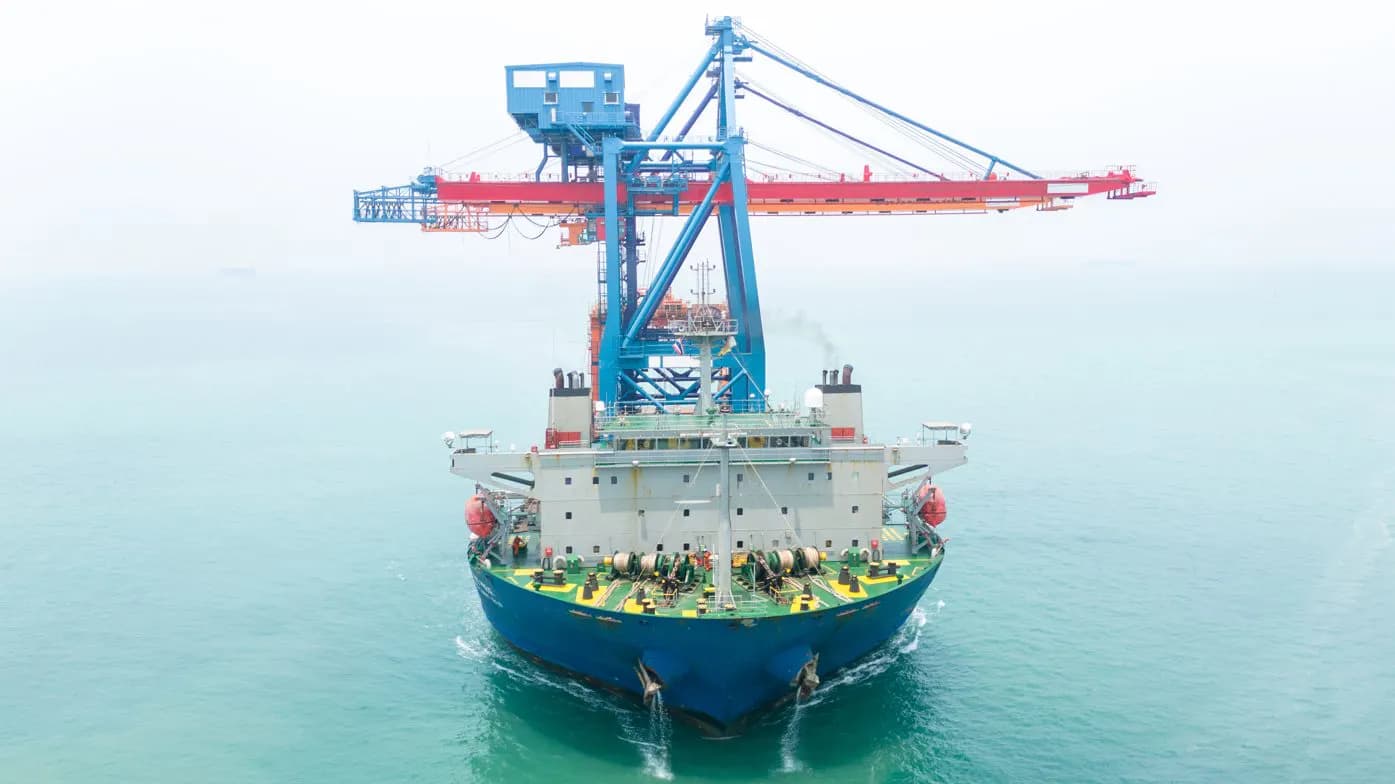
Brussels has stopped the clock on its in-depth review of the Saipem and Subsea7 merger, putting fresh pressure on the timetable for creating the offshore engineering group Saipem7.
The European Commission has suspended the phase II investigation while it waits for additional information from the parties, freezing the regulatory clock from 25 August. The move does not signal that the transaction will be blocked, but the review timetable will restart only once the Commission considers the outstanding information complete.
The suspension puts the 16 December deadline for a ruling at risk and could push completion into early 2027 if the pause runs for several weeks.
Saipem and Subsea7 formally notified the transaction to Brussels on 16 June. The Commission escalated the case to a phase II investigation on 22 July after finding what it called serious doubts over the deal's compatibility with the EU internal market. The original phase II deadline was 26 November, and a 14-working-day extension requested by the companies moved it to 16 December before the latest intervention.
The competition concerns are concentrated on subsea umbilicals, risers and flowlines, the SURF market used to connect offshore oil and gas and carbon capture projects with production infrastructure. The Commission's preliminary review found Saipem and Subsea7 to be two of only three leading global suppliers, competing particularly closely for larger and more technically demanding projects.
Vessel capacity sits at the centre of that finding. The Commission pointed to limited spare capacity in the specialised fleet, high barriers to entry and a lack of similarly scaled alternatives, which is a structural argument rather than a pricing one: an offshore vessel able to install deepwater risers cannot be conjured up inside a project timetable.
The regulator is examining whether the merger could lead to higher prices or reduced innovation, and is also looking at related areas including trunkline installation and subsea decommissioning. Other parts of the two companies' operations, including offshore wind and conventional offshore construction, were seen as largely complementary in the preliminary assessment.
The setback comes after the transaction cleared several other hurdles. Saipem said at the end of July that the US Hart-Scott-Rodino waiting period had expired, allowing the companies to close in the United States, and the UK competition regulator has also cleared the deal. Ten of the 16 competition authorities reviewing the transaction have given their approval so far.