Equinor, Aker BP and Var Energi Form NCS Exploration Alliance
Three operators plan around five high-impact wells a year for four to five years
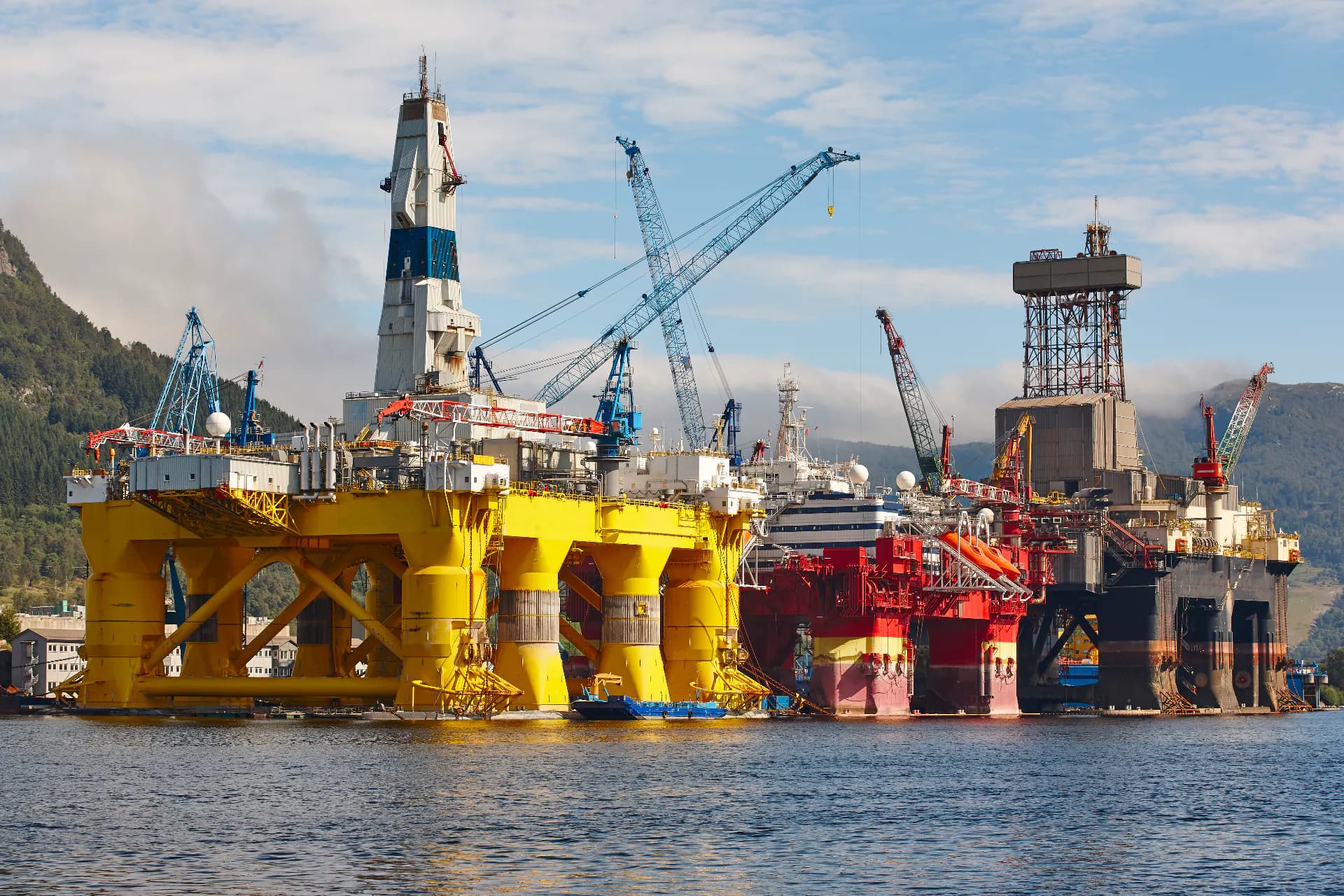
Equinor, Aker BP and Var Energi have established a strategic exploration collaboration to pursue some of the largest remaining opportunities on the Norwegian Continental Shelf.
The three companies have agreed to combine expertise, data, technology and exploration capacity on selected high-impact prospects. Over the next four to five years they plan to mature and test a portfolio of approximately 20 to 25 exploration opportunities, with an ambition to drill around five high-impact wells annually.
In recent years, most discoveries on the shelf have been made close to existing infrastructure. The three operators expect near-field exploration to remain crucial, but argue that larger discoveries will also be needed to provide the resource base for new standalone field developments.
The largest remaining opportunities carry higher geological uncertainty, greater complexity and larger investment requirements than the tie-back prospects that have dominated recent drilling. By sharing risk and combining capabilities, the companies say they can pursue and test more of those targets than any of them would attempt individually.
The arrangement also has a supply dimension. Norwegian output is expected to decline after 2035 without new discoveries and developments, and the shelf has become the largest single source of pipeline gas into the European market since Russian volumes were displaced.
"New technologies could open new, significant plays. This is about putting our combined expertise to work where it can make the biggest difference, securing reliable energy for society, and value for our stakeholders," said Karl Johnny Hersvik, chief executive of Aker BP.
"This collaboration is a transformative step for the future exploration of high-impact opportunities on the NCS," added Nick Walker, chief executive of Var Energi. "It has the potential to unlock access to material new discoveries that can support long-term production, create value for our stakeholders and contribute to maintaining Norway's position as a secure and responsible supplier of energy to Europe."
A drilling programme at that cadence implies sustained demand for rigs and offshore support tonnage on the shelf, in a market where operators have already been committing to long subsea and development work. No individual prospects have been named.