Dutch Council of State Questions Legal Basis for Shadow Fleet Detentions
The bill would let the Netherlands board suspect tankers and escort them to an anchorage
The Dutch plan to stop and detain suspected Russian shadow-fleet tankers at sea has run into a legal objection at home. In an advisory opinion published on Monday, the Council of State said that the international law of the sea does not directly provide a legal basis for the power the government wants to create.
The bill amends the Wet buitenlandse schepen, the Dutch Foreign Ships Act, and was sent to the Council of State for urgent advice on 10 July. It would allow Dutch authorities to board suspect vessels, inspect their documentation and order them to proceed to a port or an anchorage, where further inspection could be carried out and the ship could be held.
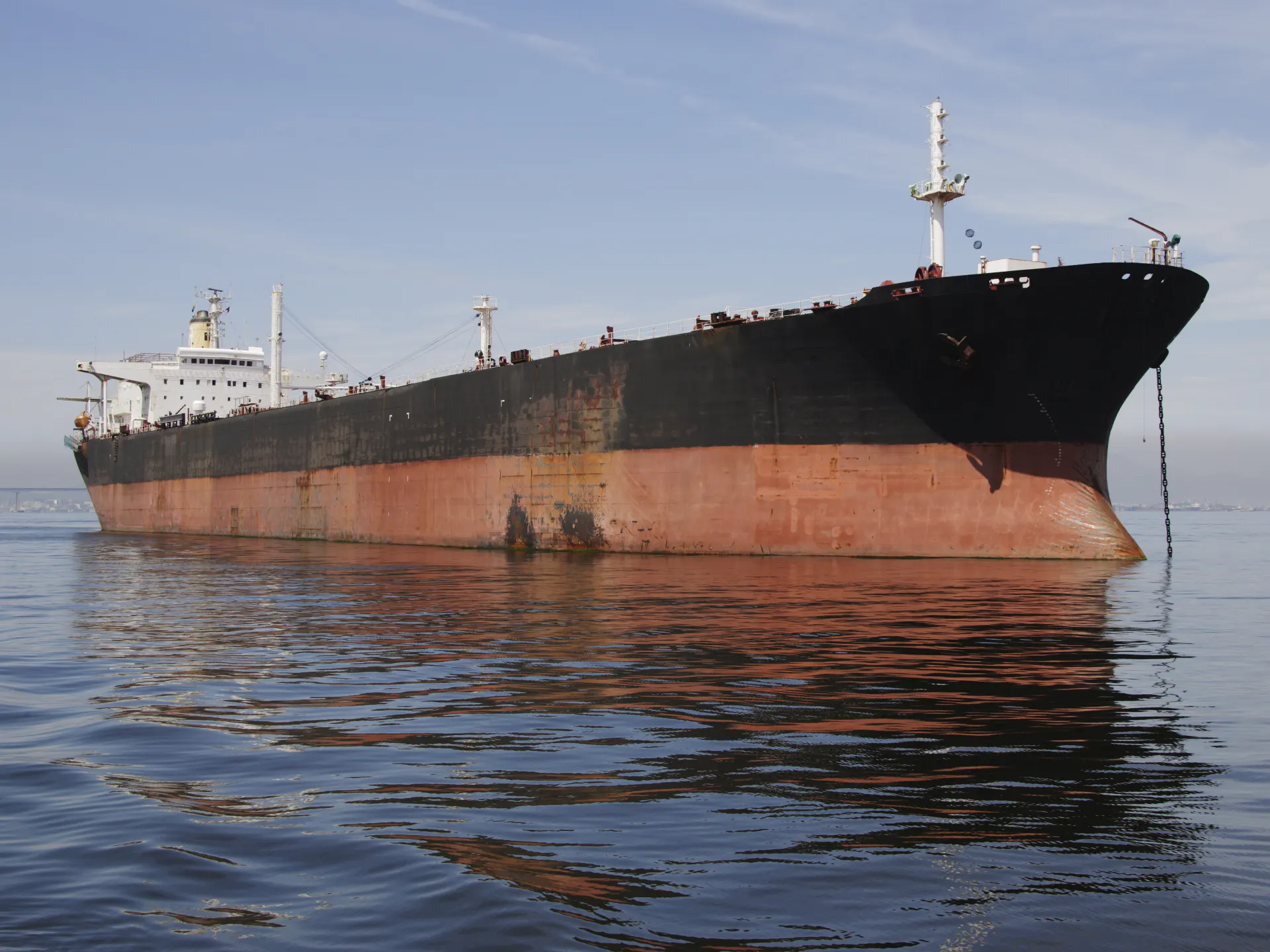
The target is the fleet of ageing tankers that moves sanctioned Russian crude outside mainstream ownership, insurance and classification structures. The bill concentrates in particular on ships sailing under a false flag or with no flag at all, a status that removes the flag-state consent normally required before another state may intervene against a vessel on the high seas.
The government's position is that the UN Convention on the Law of the Sea supplies the basis for these measures, and that the amendment does no more than write the corresponding powers into national law. The advice puts a question mark over exactly that step, finding that the convention does not hand the Netherlands a direct entitlement to stop a foreign-flagged ship and escort it to a Dutch anchorage.
The bill also declares part of the Police Act applicable, so that police units can take part in future enforcement operations alongside the coastguard and the navy. The government has framed the measure as a response to the revenue the shadow fleet generates for Russia's war against Ukraine.
An advisory opinion does not block legislation. The text now returns to the government, which can amend the proposal or set out its reasoning at greater length before sending it to parliament, where the question of the international-law basis is now on the record.
Other European coastal states are moving along the same track. Belgium has been preparing comparable boarding legislation, and a group of fourteen countries has jointly warned shadow-fleet operators to comply with flag and insurance requirements or expect closer attention.
For owners and charterers, the practical consequence of the Dutch bill, if it survives in its present form, would be felt in the approaches to the North Sea ports: a boarding party able to require a suspect tanker to divert to an anchorage, with documentation, flag registration and insurance cover the first items examined.