Drone strike on Damietta gas carriers widens Middle East maritime conflict
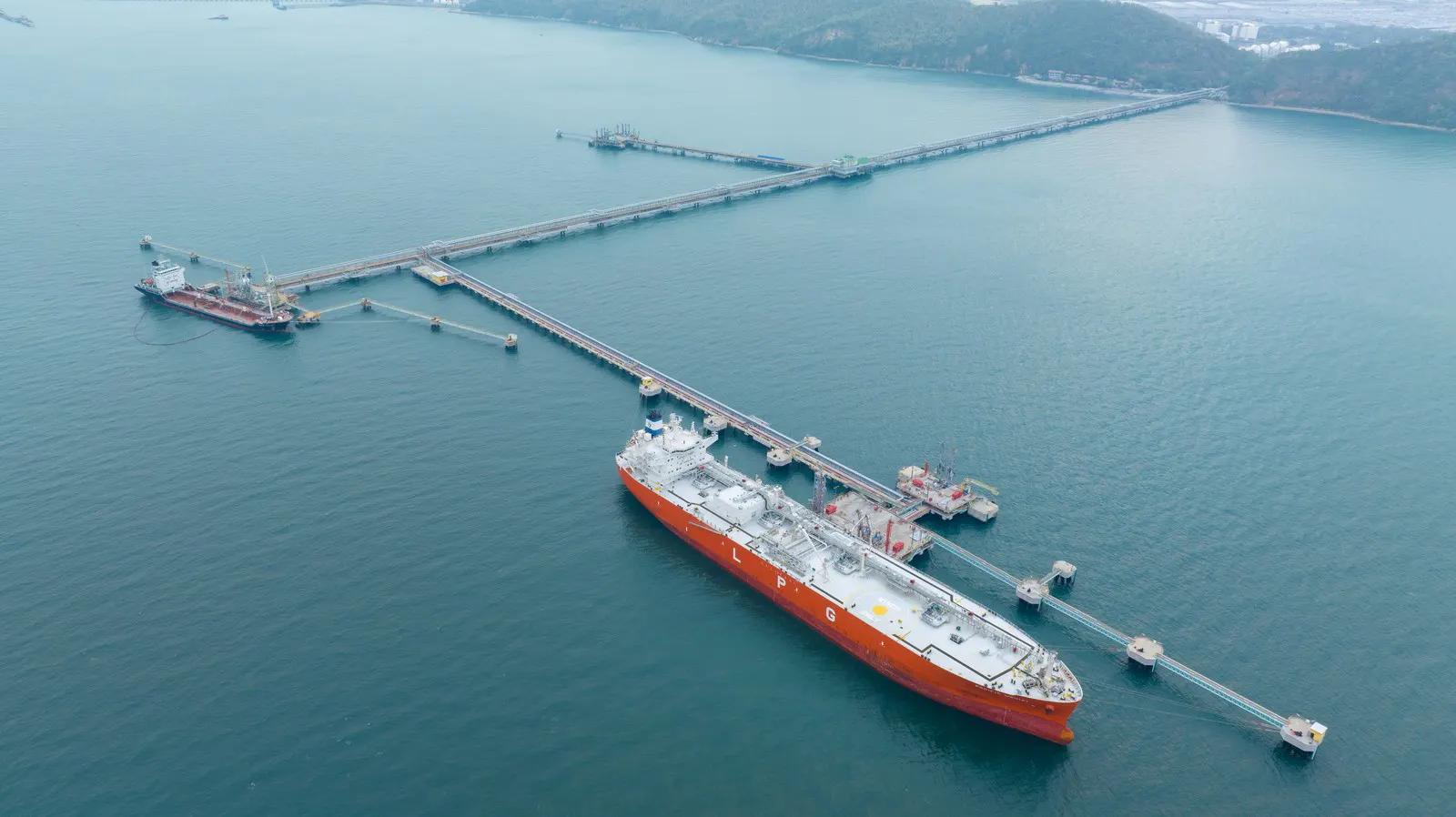
A floating storage and regasification unit and an LNG carrier were struck at Egypt's Damietta terminal this week in what investigators have concluded was a drone attack, pushing a maritime conflict that had been largely confined to the Gulf and the southern Red Sea into the Mediterranean for the first time. The LNG carrier GasLog Salem and the US-owned floating unit Energos Winter were hit while lying at adjacent berths, and later reporting indicates the two vessels were struck at the same time rather than one fire spreading to the other. Emergency teams working with local services brought both fires under control, and all crew aboard the two ships were accounted for without deaths or injuries.
Early assessments placed the damage to GasLog Salem near her forward cargo-tank area, while Energos Winter was affected on its starboard side. It remains unclear how much of the damage to the floating unit came from a separate strike and how much from debris or spreading fire. No significant release of cargo has been reported. Both ships were moved away from their berths and are lying offshore, where surveyors are examining the damage. Neither the Egyptian authorities nor the owners have published a structural assessment or indicated when either vessel might return to service.
The wider port continued working, with unaffected berths reopening within hours, but the LNG import operation was disrupted and the status of the berth used by the FSRU remains uncertain. The temporary loss of the unit reduces Egypt's import flexibility at the height of summer gas demand. Energos Winter is one of four floating regasification units supporting the Egyptian gas network, with the other three stationed at Ain Sokhna, and it is capable of delivering up to 650m standard cu ft of regasified gas a day.
The Egyptian cabinet confirmed that preliminary investigations had established a drone as the cause, and components recovered from the aircraft are being examined. Cairo has not publicly named an attacker and no group has claimed responsibility, but officials privately regard Iran as the principal suspect and view the operation as an attempt to widen the conflict beyond the Gulf. The timing followed renewed exchanges between Tehran and Washington and strikes against Iran-aligned groups in Iraq, and the target itself carried strategic weight: an American-owned unit serving an energy corridor close to the northern approach to the Suez Canal.
The Houthis rejected suggestions that they were responsible, saying their current campaign is directed at Saudi Arabia, and a launch from Yemen would have required a drone to cover roughly 2,000 km through monitored air-defence zones. A closer launch site, a proxy organisation or a maritime platform all remain possibilities rather than findings. Forensic work on the recovered components will be central to attribution, and until that is complete the attack stands as an unclaimed escalation in a widening war at sea.