DNV Says Efficiency, Not Fuel Switching, Carries Shipping to 2050
Green fuel demand is forecast at 4 to 22 Mtoe by 2030 against 270 Mtoe of proposed supply
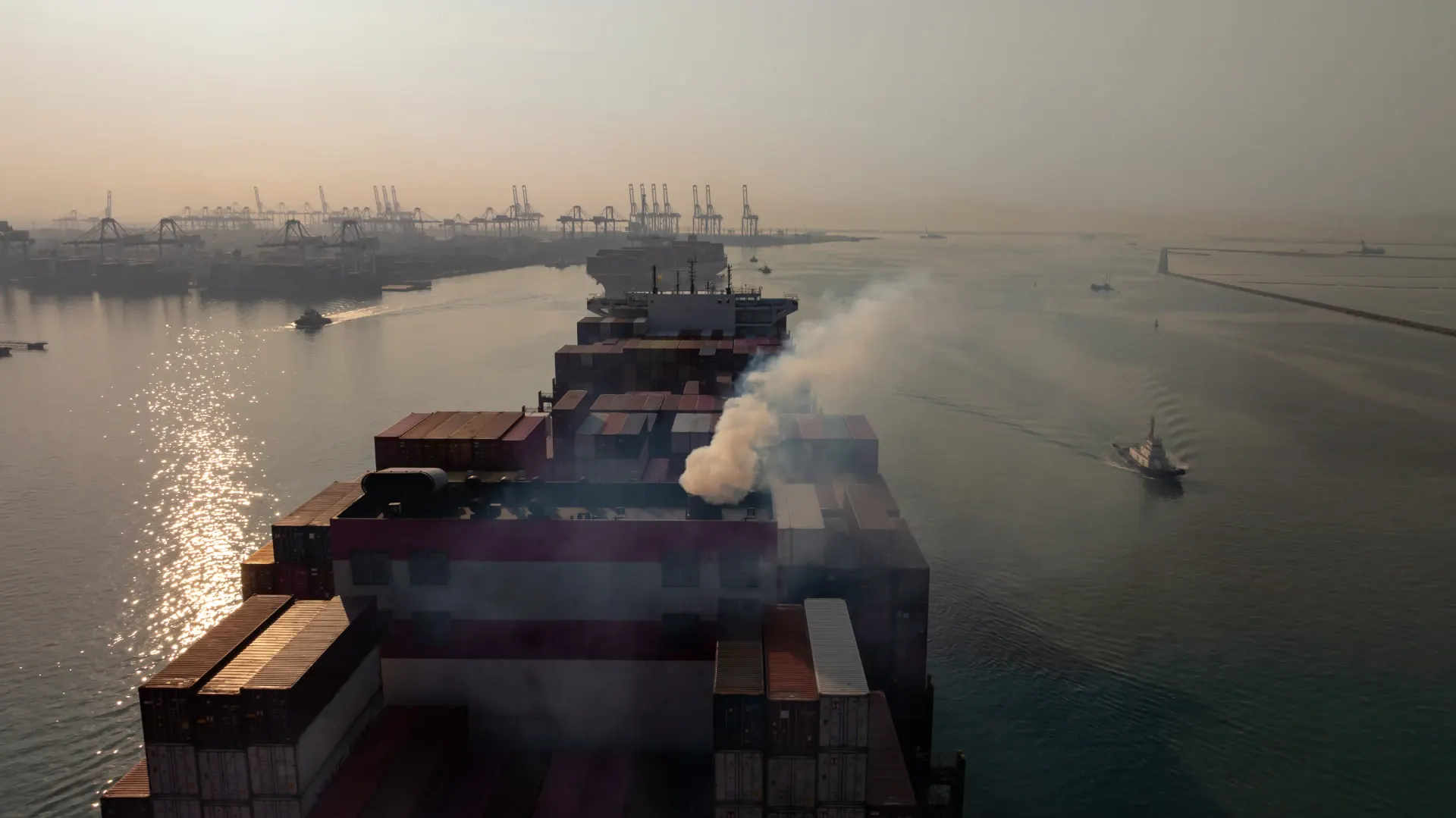
The delay in adopting the IMO's Net Zero Framework has changed the outlook for low-emission shipping, and DNV's annual Forecast to 2050 reflects that shift: fuel efficiency and flexibility now sit ahead of green fuels, which look set to stay on the back burner for years.
Cost remains the obstacle on the supply side. Proposed green fuel manufacturing projects totalling 270 Mtoe are slated for readiness by 2030, and around five percent of the world fleet can already burn alternative fuels, but the cost structure does not support demand development in the near term. DNV expects shipping demand for low-GHG fuels of 4 to 22 Mtoe over the same period, rising to at most 33 to 185 Mtoe by mid-century, a fraction of the pre-FID supply currently on the books.
The upper end of those projections depends on the Net Zero Framework being adopted, since it would create the financial incentive to buy green fuels. The remedial penalty tier would initially be priced at $380 per tonne of CO2 equivalent, roughly $1,200 per tonne of bunker fuel, for out-of-compliance consumption, high enough to start moving purchasing behaviour.
The framework faces substantial political opposition as drafted, not least from the United States. If adopted unchanged it could enter into effect as early as 2029; if renegotiated or replaced, entry into force could slip to somewhere between 2030 and 2033, leaving 17 years to reach the 2050 target. Owners planning fleet investment therefore have to price not only the scale of the regulatory transition but its speed, since a delayed framework produces a materially different risk-reward profile for conventional and dual-fuel tonnage.
In the near term there are measures that pay under every scenario. Hydrodynamic improvements, wind-assisted propulsion and engine derating can save money while contributing to compliance targets including CII. DNV estimates shipping could cut emissions 16 percent by 2030 and up to 25 percent by 2050 through efficiency and speed reduction alone, reaching half the IMO target simply by burning less fuel and saving more than $20 billion a year in bunker costs.
The investment case still has to close, and it usually depends on a contractual mechanism allowing the owner to recover a share of savings from the charterer, who normally pays for the fuel. Reducing energy consumption lowers emissions, saves costs, and improves the economics of operating on more expensive low-GHG fuels, said Cristina Saenz de Santa Maria, CEO of DNV Maritime. It is one of the rare areas where decisions taken today create benefits under almost any future scenario.