Dali Becomes the Largest Single Loss in P&I Market History
Reserves above $2.8bn beat Costa Concordia by more than a billion and reach an untested reinsurance layer
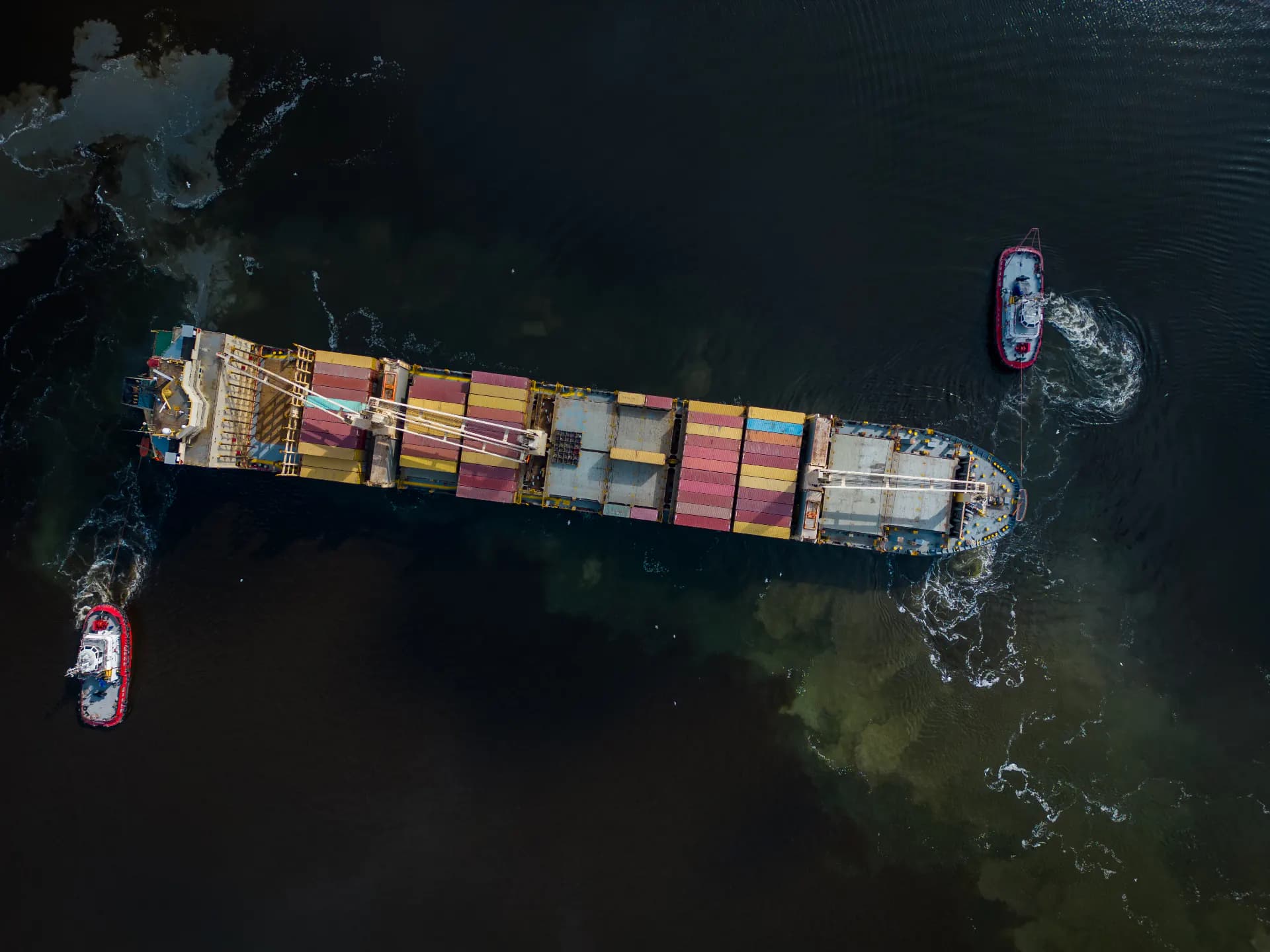
The Dali (IMO 9697428) casualty has become the largest single loss in the history of the protection and indemnity market. Reserves now exceed $2.8 billion, according to figures put out by broker Gallagher Specialty, more than a billion dollars above the previous record set by the loss of the Costa Concordia in 2012.
The Singapore-flagged containership lost power in March 2024 and struck the Francis Scott Key Bridge in Baltimore, killing six construction workers and closing the port's main shipping channel. Claims have come from federal and state agencies, the infrastructure owner, businesses that lost trade while the channel was shut, cargo interests and the families of the dead.
What makes the number structurally interesting rather than merely large is where in the tower it has landed. The claim has reached the International Group's collective overspill reinsurance layer, a level of the mutual system that no casualty of this scale had previously tested. Roughly $300 million of purchased overspill protection remains available above the current reserve, which means shipowner members have not been hit with an overspill levy — the mechanism by which a single catastrophic claim is spread across the entire membership of the thirteen clubs.
That distinction is where the exposure sits for the membership. Below the overspill layer, the Dali is an expensive claim carried by reinsurance that has already been paid for. Above it, the loss becomes a call on every entered ship in the group, on a formula tied to tonnage. The gap between the two states is now about $300 million against a reserve that has already been revised upwards more than once.
The reserve is also not a settlement figure. Litigation over the casualty is still running, the criminal and civil exposure of the owner and manager has not been finally determined, and the cost of the replacement bridge has kept climbing. Reconstruction is under way on a cable-stayed design with a 1,665-foot main span and around 230 feet of vertical clearance, at an estimated $4.3 billion to $5.2 billion, with completion targeted for late 2030. Only part of that will ever be recoverable from the shipowning interests, but the arguments about how much are the arguments still to be had.
For the market, the case is the working example of a problem underwriters have described for a decade: the size of modern ships has outgrown the loss scenarios the mutual system was calibrated against. A single allision by a 10,000 teu box ship, with no cargo fire, no pollution of consequence and no loss of the vessel, has produced a claim larger than the salvage, wreck removal, passenger and environmental costs of a cruise ship that capsized with more than 4,000 people aboard.
Renewal pricing already reflects it. Clubs have been raising general increases and tightening reinsurance terms through the last two cycles, and the Dali reserve sits behind those conversations whether or not it is named in them. The question the market has not yet answered is what a comparable allision would cost if the ship involved were a modern 24,000 teu vessel rather than a 2015-built hull of less than half that capacity.
This story is part of the Maritime Briefing of 20 September 2026.
Ships in this story