Container Backlog Persists At Bangladesh's Largest Port
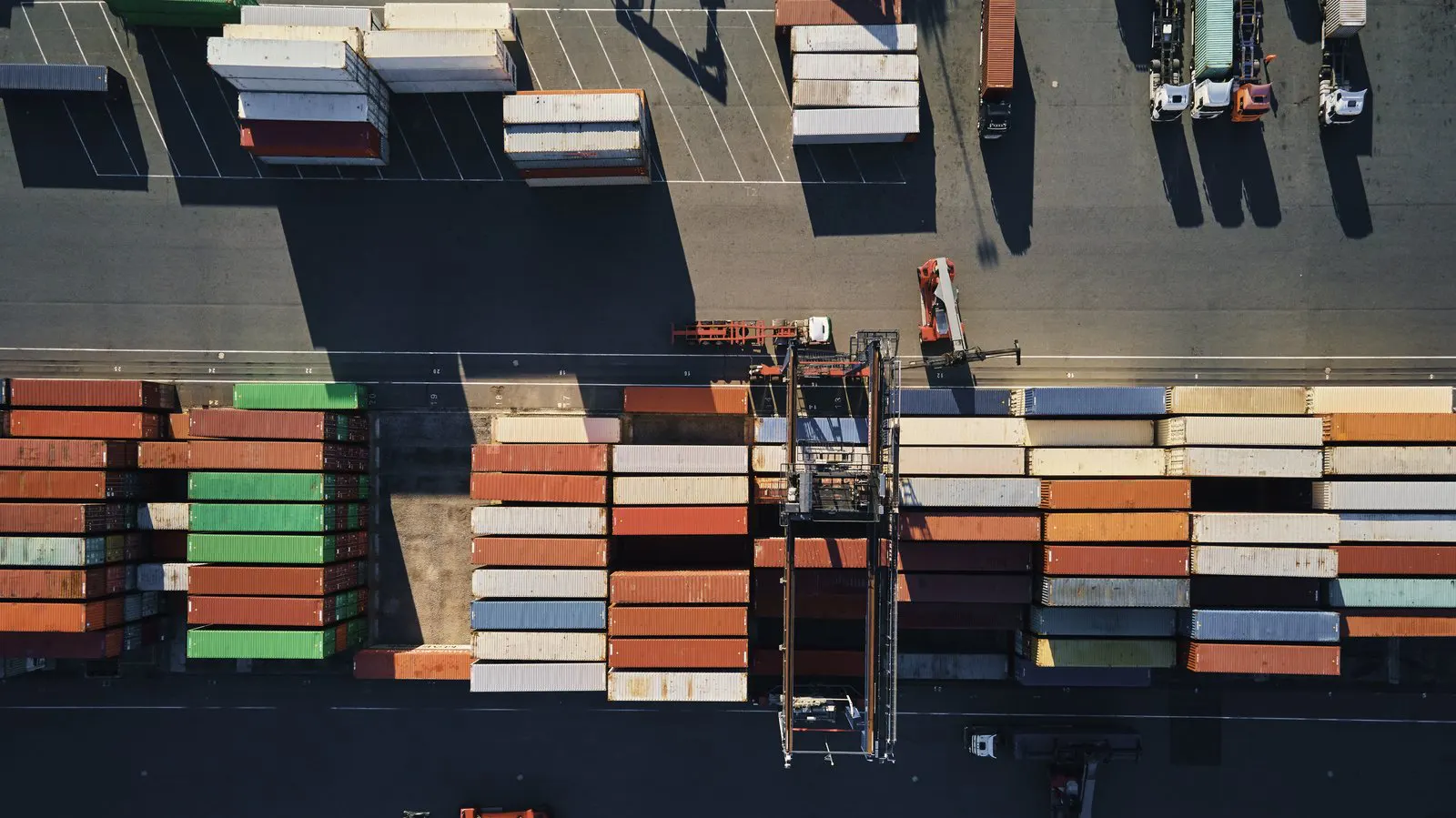
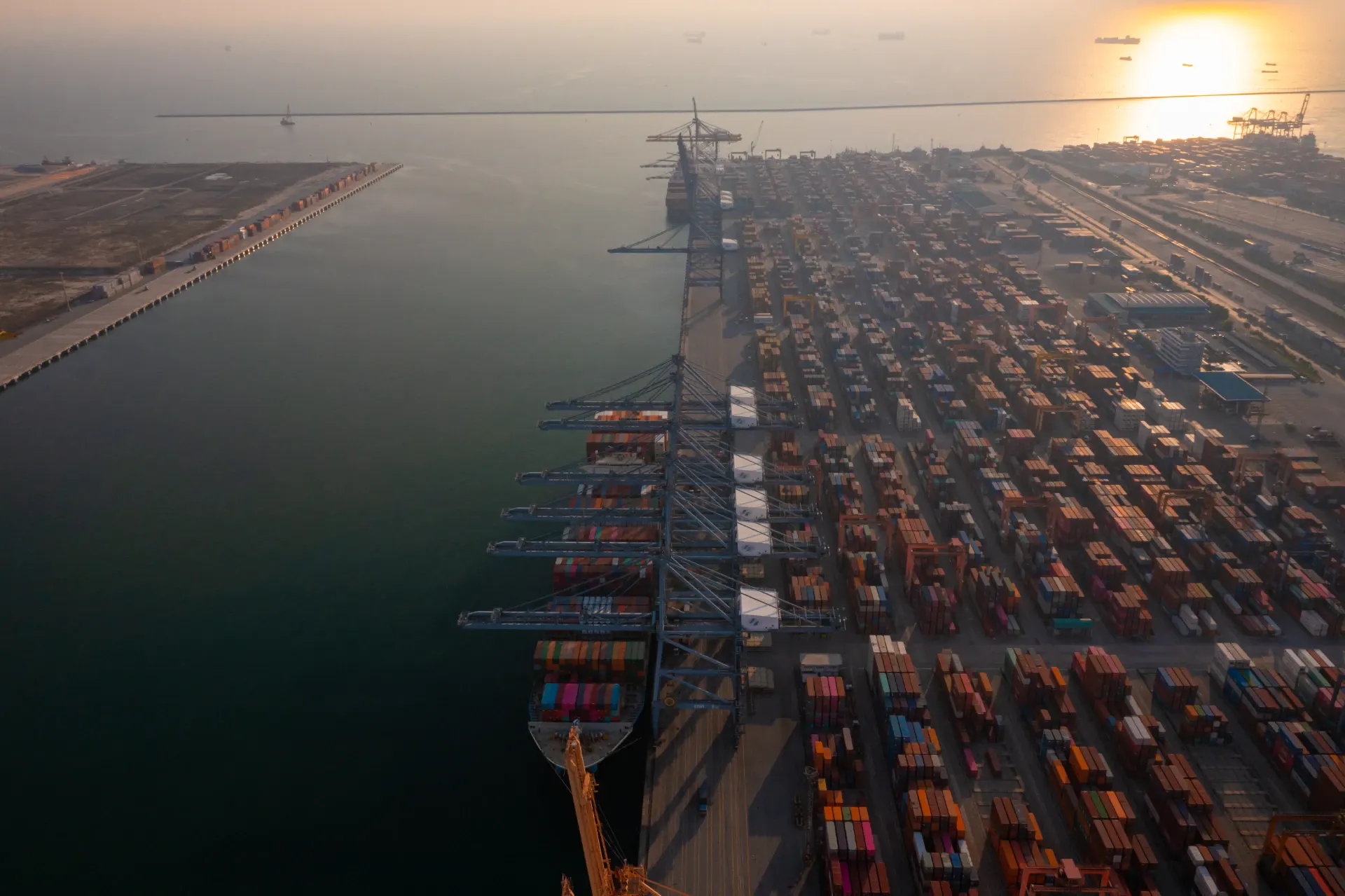
Bangladesh's principal seaport is still working through a container backlog that has occupied roughly a fifth of its yard capacity, with around 9,330 boxes stuck in the terminal as of the most recent count, equivalent to about 22 percent of the space available for storage. More than six hundred of the accumulated cases are tied up in customs disputes, and clearance is taking between eight and ten days.
The arithmetic of that delay is what makes the problem self-sustaining. Demurrage, the charge levied on importers for leaving a box in the terminal, begins accruing after four free days. Clearance takes eight to ten. That means a substantial proportion of consignments start incurring charges before they can possibly be released, through no fault of the importer, and the charges then become a further reason to contest the case rather than pay and collect. Every disputed box occupies a slot that a moving box could use.
A yard running with a fifth of its capacity permanently occupied by immobile containers is not simply a fifth less efficient. Terminal productivity falls disproportionately as occupancy rises, because the cranes and handlers spend an increasing share of their time shuffling boxes to reach the one they need rather than moving cargo. Past roughly seventy percent utilisation the curve steepens sharply, and a terminal in that condition begins to lose berth productivity as well, which lengthens ship turnaround and pushes the congestion back out to the anchorage.
The consequences fall on the country's dominant export industry. Bangladesh's garment sector competes on price and on delivery reliability against producers in Vietnam, India and elsewhere, and its buyers work to fixed retail calendars. Delay at the port erodes the second of those advantages without improving the first, and the cost lands on exporters as air freight for the shipments that cannot wait, or as discounts on those that arrive late.
Fixing it is mostly an administrative problem rather than an engineering one. Additional yard space and handling equipment help at the margin, but the binding constraint is the speed of customs adjudication and the mismatch between free time and clearance time. Extending free days would relieve the immediate pressure without addressing the cause; accelerating dispute resolution would address the cause but requires institutional capacity that cannot be procured as quickly as a crane.