CMES signs $2.8bn, 25-year Simandou contract for six VLOCs
Hong Kong Ming Wah will carry Guinean iron ore under a contract of affreightment tied to a Baltic Exchange index
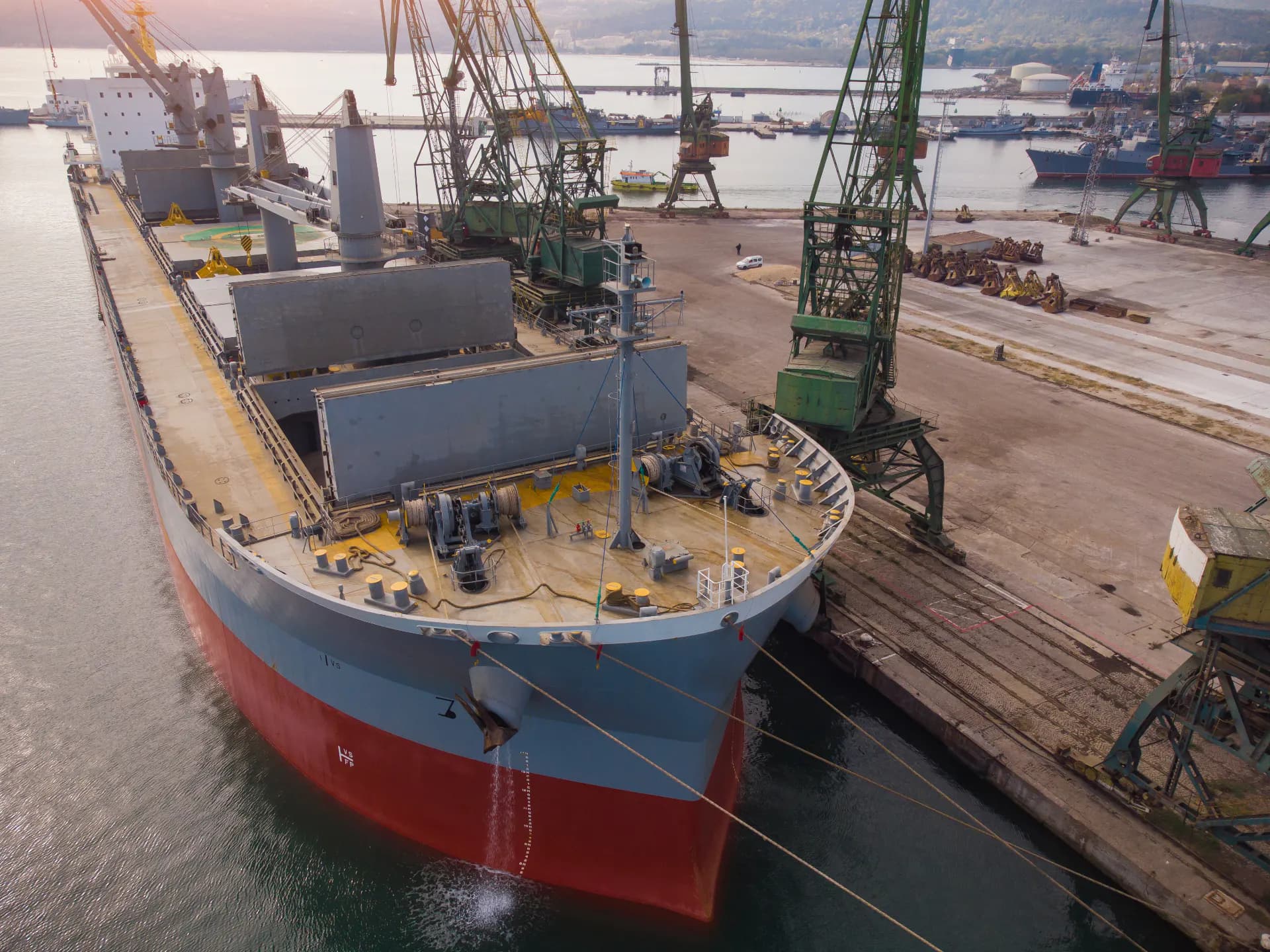
China Merchants Energy Shipping has secured a long-term share of the iron ore trade out of Guinea's Simandou project. Its dry bulk arm, Hong Kong Ming Wah, has signed a 25-year transport agreement covering six very large ore carriers, with a total value over the contract period of no less than $2.8bn.
The Shanghai-listed company did not name the counterparty. When it first outlined the deal in July, CMES said Ming Wah was preparing to sign with China Mineral Resources Group International Supply Chain, which holds the shipping rights for Simandou ore. Ming Wah had by then already carried around 600,000 tonnes of cargo connected with the project.
The proposal set out in July was a 25-year contract of affreightment, with freight linked to a relevant Baltic Exchange route index and a cost-adjustment mechanism. At that stage it still needed board approval and had not been signed.
The ships to perform it are on order. In July CMES contracted six 343,000 dwt ore carriers for up to RMB4.93bn, or about $728m, at a yard controlled by its sister company China Merchants Shipbuilding Industry, for delivery across 2029 and 2030. The vessels were earmarked from the outset for long-term commodity contracts. They are the company's first new VLOC tonnage in more than ten years, since the ten Valemaxes it ordered in 2015.
Simandou is designed to produce up to 120 million tonnes a year of high-grade iron ore at full ramp-up, which would make it one of the largest new sources of seaborne ore. Chinese-controlled VLOC capacity is becoming a defining feature of the trade between Guinea and China.
For the wider dry bulk market, the effect is on where the cargo goes. Volume carried on dedicated, index-linked tonnage under long-term contracts is volume that does not reach the conventional capesize spot market, which had looked to Simandou as one of its main sources of new tonne-mile demand.
This story is part of the Maritime Briefing of 4 October 2026.