CLdN orders two 6,700 lane-metre RoRo ships at HD Hyundai
The pair adds a deck to the 5,000 lane-metre class and is due in mid-2029
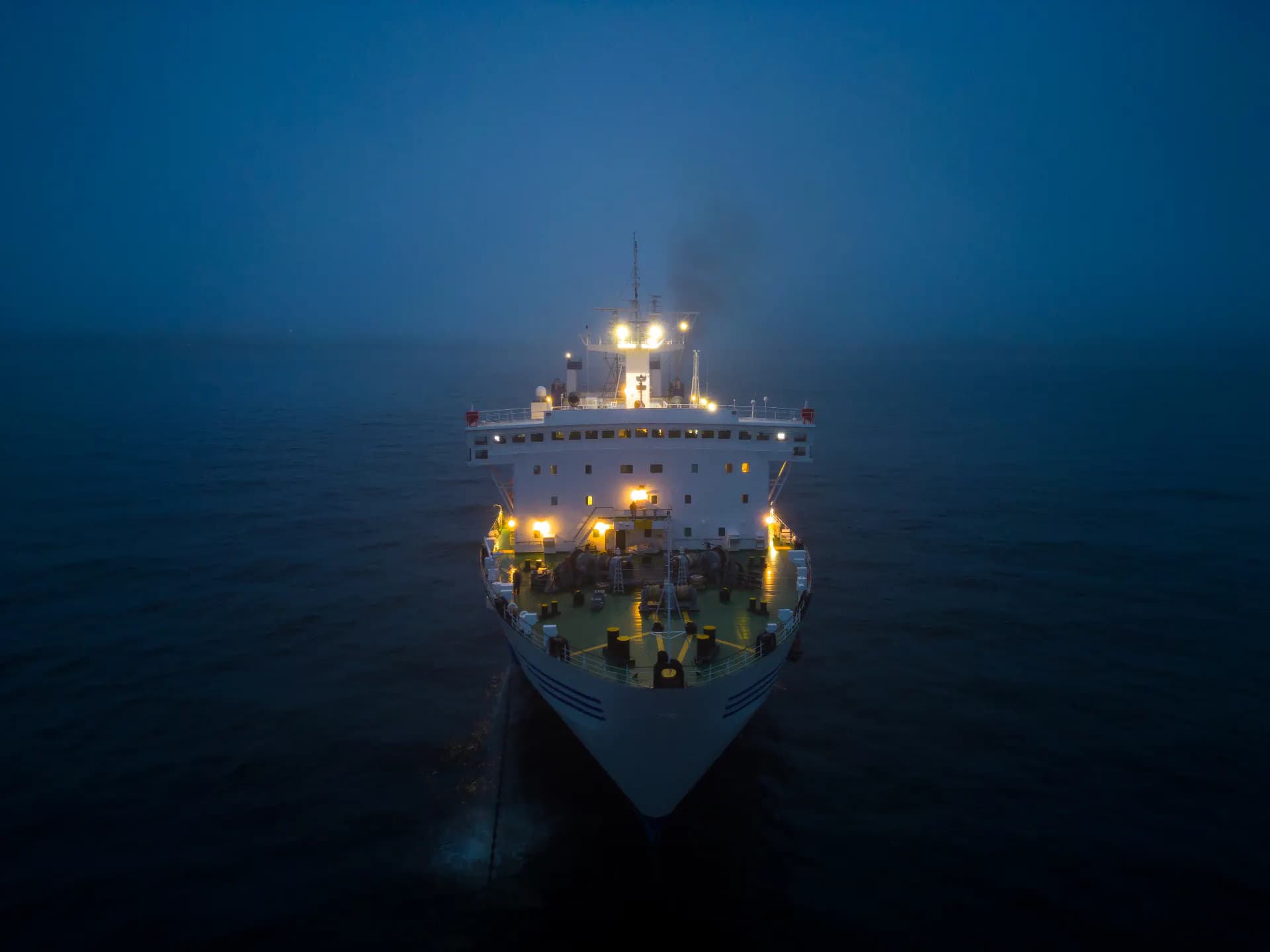
CLdN Cobelfret SA has ordered two 6,700 lane-metre RoRo vessels from HD Hyundai Heavy Industries. Construction is set to begin towards the start of 2028, with delivery scheduled for mid-2029.
The pair will be the 15th and 16th vessels the shortsea operator has ordered from the South Korean builder over the past ten years, a run that has given its fleet an unusually uniform shape for an operator of its size.
The design adds one deck and more ground space to the company's existing 5,000 lane-metre class, with a configuration adapted specifically for trailer cargo. Each ship will have wide ramps giving immediate access to the top decks, a choice aimed at turnaround time in port rather than at sea speed. On a shortsea network running high-frequency sailings, the hours a ship spends loading and discharging are a larger share of the round voyage than they are in deep-sea trades, and they are the hours an operator can compress without burning more fuel.
The vessels will be dual-fuel, able to run on standard marine diesel or LNG, and will be built with space reserved for larger electric shaft generators and batteries as that technology matures. Fuel consumption per vessel is expected to be similar to that of the existing 5,000 lane-metre ships; because the new ships carry more, the company expects 30 to 40% better fuel efficiency per tonne-kilometre of cargo, and on that basis describes them as the most fuel-efficient RoRo ships in the world.
"We are delighted to extend our partnership with HD Hyundai Heavy Industries for the construction of these two new vessels. The ships will expand the capacity of our existing fleet and will give us even greater flexibility to meet customer needs," said Florent Maes, chief executive of CLdN, in the company's order announcement.
CLdN runs RoRo and container tonnage across a network of its own ports, with a door-to-door offering extending across Europe. The added capacity is aimed at the trailer traffic that moves between the Continent, the United Kingdom and Ireland, where the operator has been buying volume as well as building it.
This story is part of the Maritime Briefing of 24 September 2026.