Studies Back Year-Round Shipping to Churchill Through Hudson Bay
Manitoba puts the cost of expanding the Arctic port at CA$70-80 billion
Canada is pressing ahead with plans to diversify its trade and double exports to non-US markets, and three new studies have concluded that extended navigation periods in Hudson Bay are now possible. The findings give weight to the ambition of year-round shipping through the Port of Churchill.
The federal government and the Province of Manitoba, alongside the port's owner and operator Arctic Gateway Group, welcomed the findings on potential extended navigable seasons in Hudson Bay and the Hudson Strait. Two of the studies were carried out by researchers from the University of Manitoba and by Fednav Limited; the third is a feasibility report from the Arctic Research Foundation. The common finding is that existing marine technology and Arctic operating experience make year-round navigation through the broader Churchill corridor possible, particularly with modern ice-capable vessels.
Fednav, Canada's largest dry bulk carrier operator and a company with long Arctic experience, examined ice conditions, vessel capabilities and the practical requirements of navigating to Churchill. Its analysis combined a ten-year review of Canadian ice charts with satellite imaging and regulatory requirements, and concluded that existing ice-class designs could support year-round shipping in the corridor with decreasing icebreaker support over time.
The University of Manitoba study looked at how sea ice conditions have changed. It found that the shipping season serving Churchill is increasingly extending beyond the existing four-month window, and projected further lengthening within this century, with declining sea ice the driver.
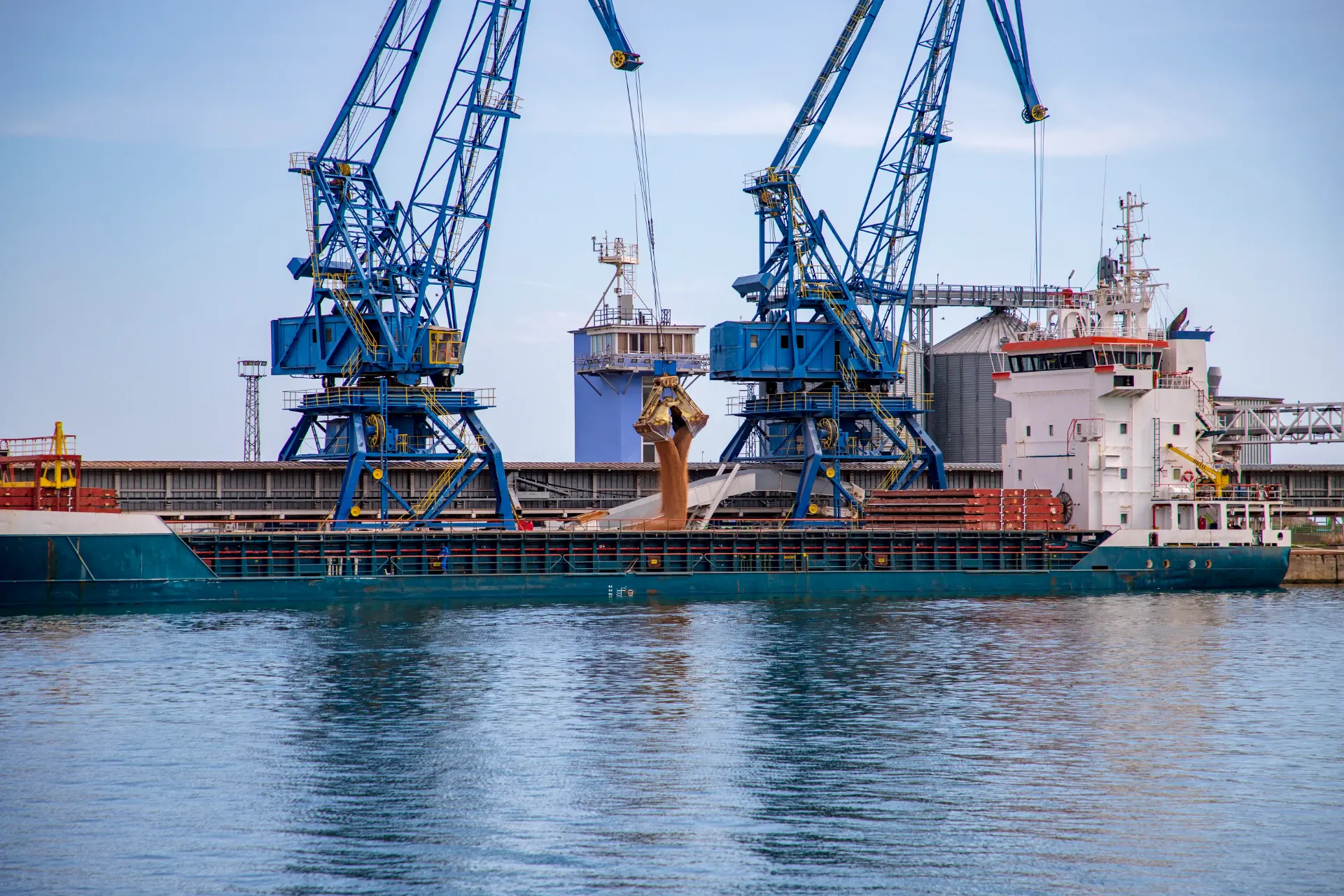
The Arctic Research Foundation study identified opportunities for northern supply chains. Churchill is already seeing a marked increase in supply ships bound for Arctic communities, and grain exports are resuming through the port this year after a five-year pause.
Mike Spence, board chair of Arctic Gateway Group, said that with the return of grain and shipments of zinc and potash, the port is seeing the most diversified shipping season in its history. He set out the case for investment in the port, a modern industrial-weight Hudson Bay Railway connected more strongly to Canada's Class I network, and year-round marine access, which together would make Churchill a year-round multimodal route linking northern and western Canada to global markets.
Premier of Manitoba Wab Kinew described the confirmation as a breakthrough, saying the province can stop asking whether year-round shipping from Churchill is possible and start building the infrastructure and attracting the investment to deliver it. He put the cost of expanding the port's capabilities at CA$70-80 billion, a figure that includes construction of an offshore liquefied natural gas terminal in Hudson Bay. That would add a third cargo stream to a port of call currently handling grain, zinc and potash.