Chinese shipyards close gap on South Korea in LNG carrier orders
Chinese yards had secured 34 LNG carrier orders by early July compared with 32 for South Korea, as capacity constraints hit Korean shipbuilders
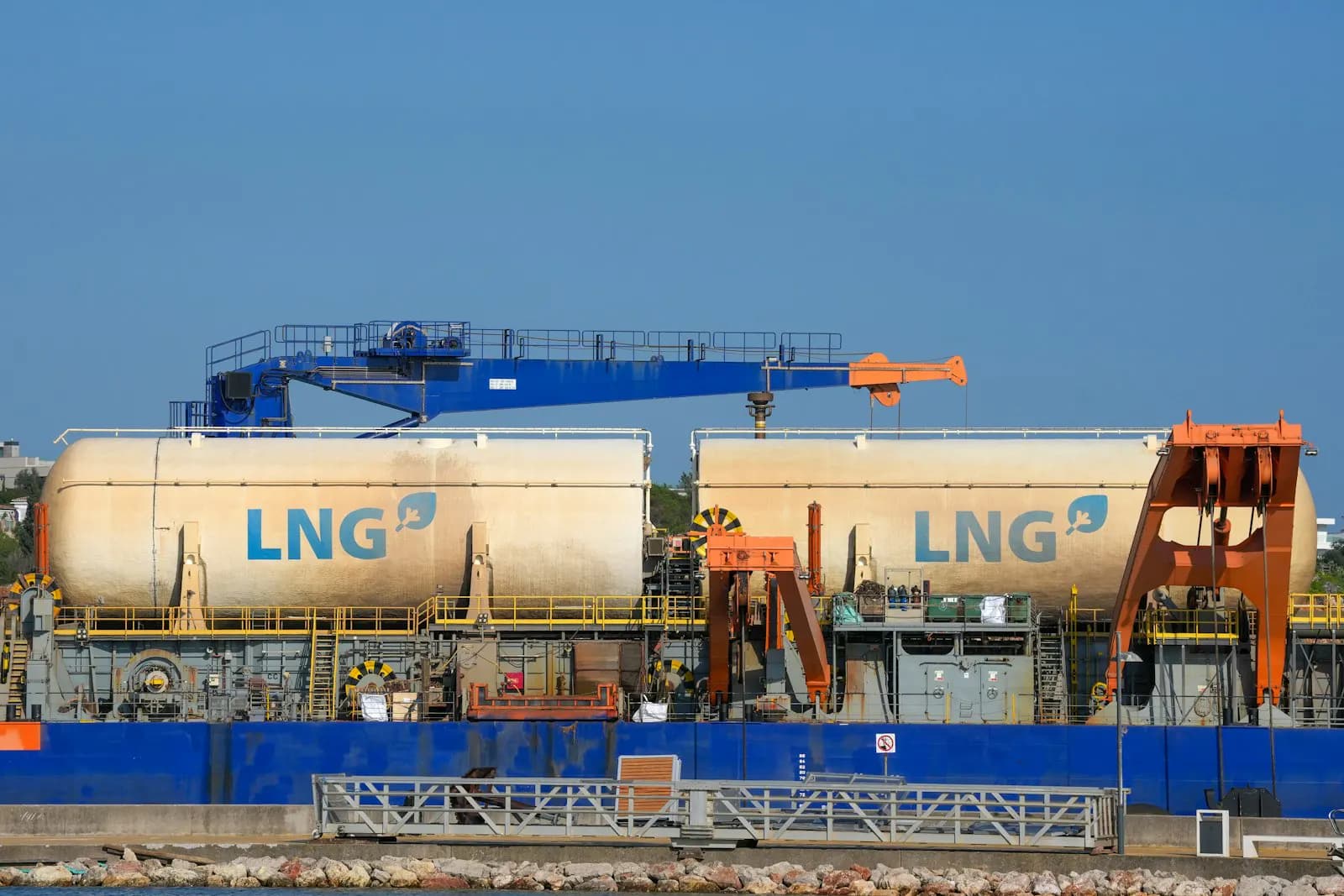
Chinese shipyards are challenging South Korea's long-standing dominance in LNG carrier construction, securing multiple contracts this year as they capitalise on limited capacity at their Korean rivals. According to a report from shipbroker Banchero Costa, Chinese yards had secured orders for 34 LNG carriers by early July, compared with 32 for South Korea, a striking shift after years of Korean dominance in the sector.
The gap has been narrowing steadily. South Korean shipyards secured orders for 113 LNG carriers in 2022 compared with 43 for China; that gap narrowed to 55 versus 27 in 2023, 56 versus 46 in 2024, and 39 versus 12 last year, before Chinese yards pulled ahead for the first time this year. China State Shipbuilding Corporation has been the main driver of the shift, with two of its subsidiary yards winning the majority of Chinese LNG carrier orders placed so far this year from a range of international owners.
Industry analysts point to capacity constraints as the primary reason behind the shift, rather than any loss of competitiveness at Korean yards. Korean shipbuilders are described as simply lacking room to expand further, both because of limited available land and because they remain heavily booked with orders for crude oil tankers, car carriers and container ships. Korean yards currently have around 80 LNG carriers scheduled for delivery this year, a similar number in 2027 and at least 60 in 2028, output levels that analysts say have never been matched before the past two years.
At the same time, Chinese shipyards, though relative newcomers to LNG carrier construction, one of the most technically demanding segments of commercial shipbuilding, are said to be closing the quality gap rapidly while offering more competitive pricing than their Korean counterparts. A growing share of Chinese owners placing LNG carrier orders domestically is also supporting the trend, accounting for at least a quarter of all orders placed at Chinese yards this year, in contrast to an absence of recent LNG carrier orders from Korean owners at their own domestic yards.
Chinese owners are estimated to account for around 9 percent of the global LNG carrier orderbook, compared with 3 percent for Korean owners, while China represents roughly 18 percent of the active LNG carrier fleet against 7 percent for South Korea. With Korean yards effectively full for years to come, the shift in order flow toward China looks set to continue for as long as capacity constraints persist in Korea.