Chinese Operator To Launch First Scheduled Arctic Container Service
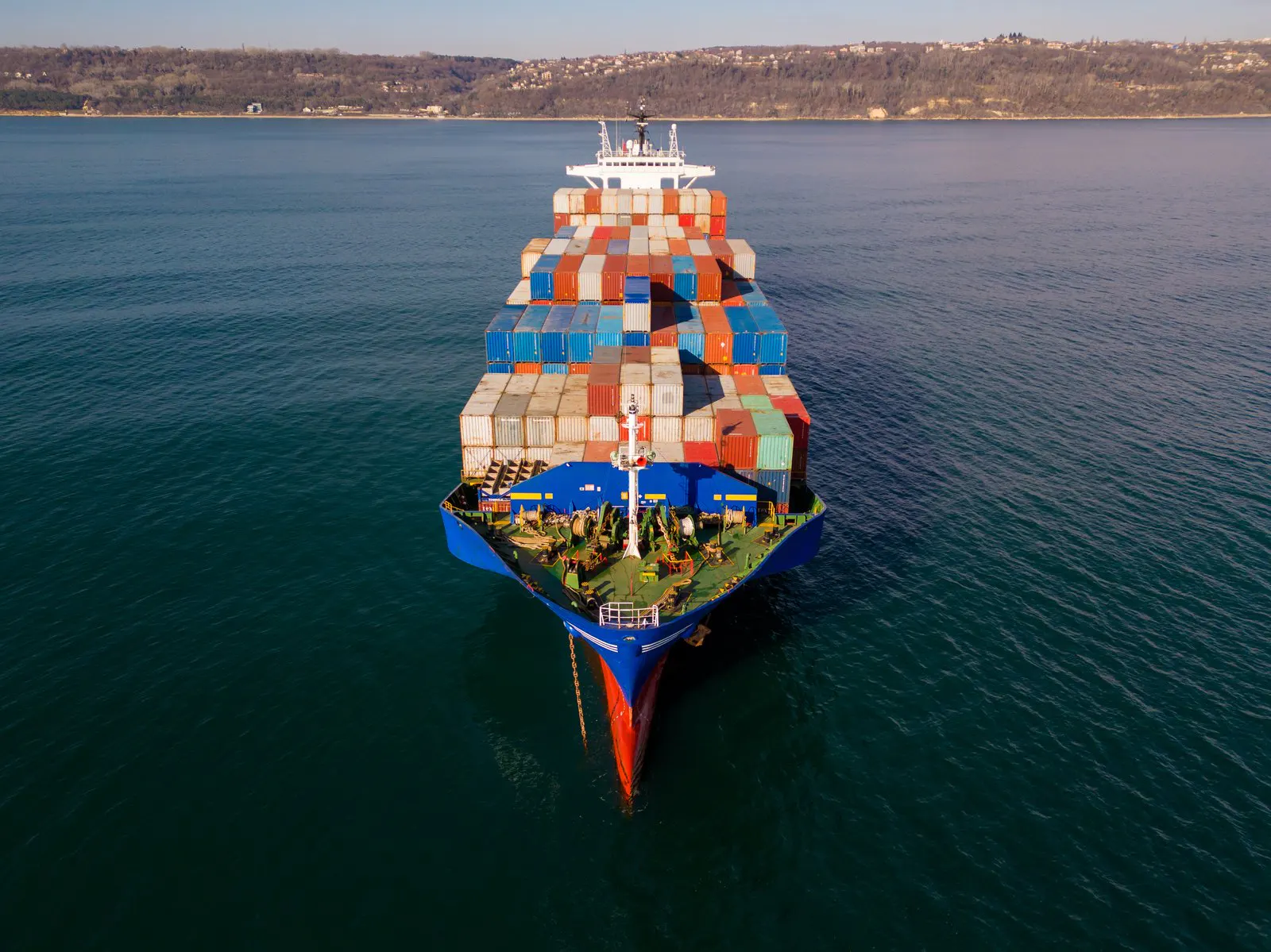
A Chinese container operator is preparing to launch what would be the first regular scheduled liner service through the Northern Sea Route, moving Arctic shipping from a series of demonstration voyages towards something resembling a published timetable. The service is branded as a China to Europe Arctic express and will be operated by a company running a fleet of seventeen vessels.
The first ship is a 1,740-container vessel of 23,338 deadweight tonnes, built in 2010 and registered in Liberia. She loads on 11 August and is scheduled to depart on 15 August for a twenty-day passage to Felixstowe. The load port is given as Zhoushan in most accounts and as Ningbo in one. Sailings are intended to be weekly, with the last departure of the season on 3 October and the last arrival on 24 October, which reflects a navigation window that closes as ice returns in November.
The precedent is a single trial voyage in September 2025 by a considerably larger vessel of 66,781 deadweight tonnes. Container transits of the route reached a record twenty-three in 2025, up from fifteen the previous year, which puts the scale of the trade in perspective: the entire Arctic container business in its best year amounted to fewer sailings than a single mainline service performs in a fortnight. A weekly schedule across a three-month season would roughly double the historical count on its own.
The commercial claim is time. Twenty days from eastern China to the English east coast compares with roughly forty via Suez and considerably more via the Cape of Good Hope, which is the routing most carriers have been using since the Red Sea became unusable. Whether that saving translates into a viable service depends on factors the announcement does not address: ice class, whether icebreaker escort is required and at what cost, insurance terms, and the rates the operator expects to command for a seasonal service that cannot offer year-round coverage.
None of those figures have been published, no company executive has been quoted, and the number of ships to be deployed on the string has not been stated. The ship named for the first voyage is a sixteen-year-old feeder-sized vessel rather than purpose-built Arctic tonnage, which suggests a service being tested with available assets rather than committed to with new ones. The Arctic route's fundamental limitation is unchanged: it is seasonal, it is shallow in places, and the cargo owner who needs a box in Europe in February cannot use it at all.