Chinese Lessor Orders Four Very Large Crude Carriers
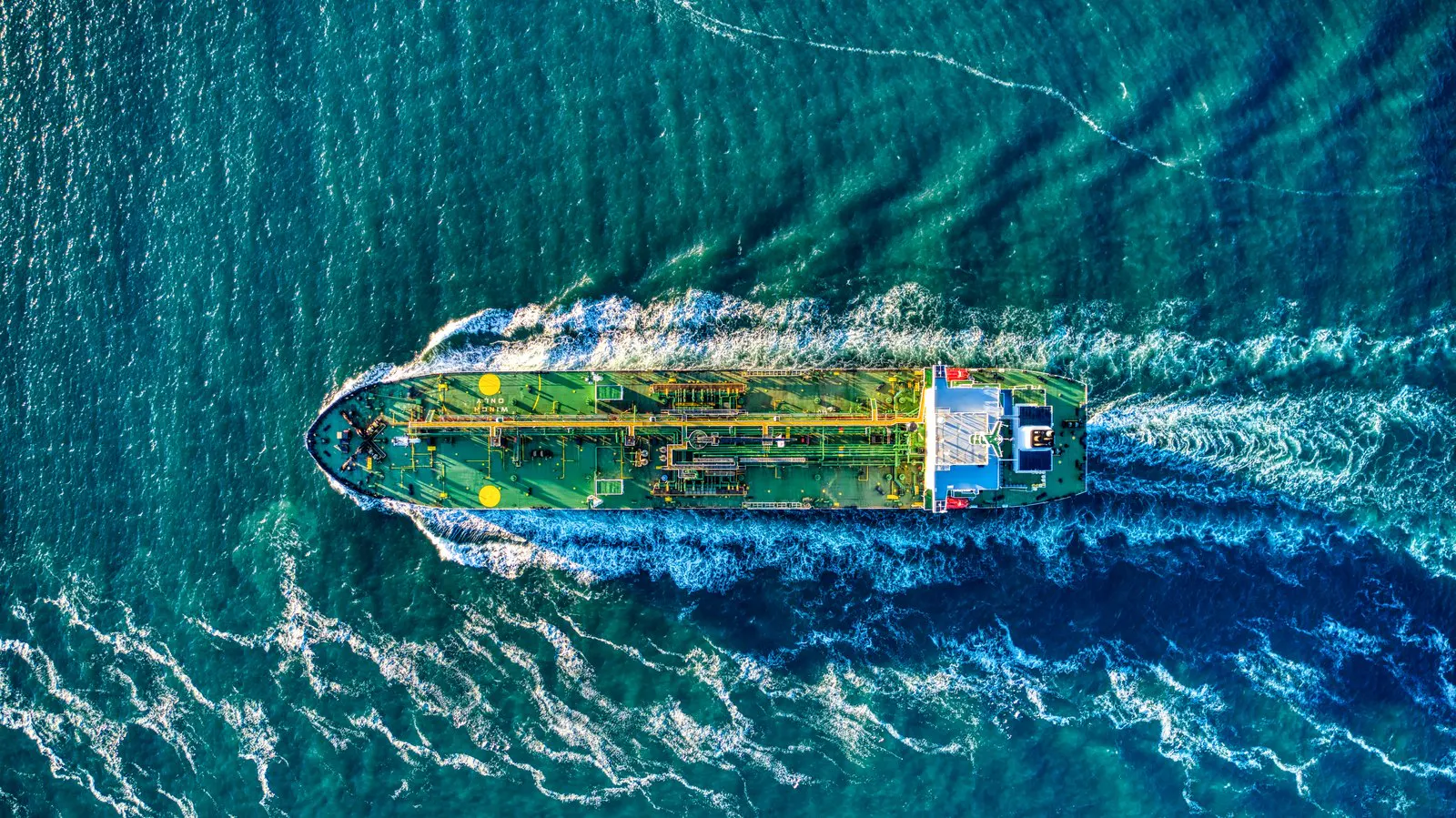
A Chinese financial leasing company has ordered four very large crude carriers at a domestic yard in a deal worth around five hundred million dollars, with each vessel of about 319,000 deadweight tonnes priced near 125 million dollars. The order continues a rapid sequence of charter-backed shipping investments by the same lessor.
Leasing companies have become one of the largest sources of new tonnage in shipping, and their economics differ fundamentally from those of a traditional owner. A lessor builds against a charter agreed in advance, earning a spread between its cost of funds and the charter rate rather than taking a view on the freight market. The ship is a financial asset with a hull attached, and the risk that matters is counterparty credit rather than the spot market.
That structure explains why lessors have kept ordering while conventional owners hesitated. An owner contemplating a very large crude carrier today faces an uncertain freight market, an unresolved question about future fuel and a price near the top of the historical range. A lessor with a creditworthy charterer committed for the first several years faces none of those uncertainties in the same way, because the early cash flows are contracted.
The concentration of this activity in China is deliberate policy as much as commercial opportunity. Chinese lessors funded by Chinese banks order at Chinese yards, frequently for charter to operators moving cargo to China, which keeps the financing, the construction and often the employment inside one system. Western banks retreated from shipping finance after the last downturn, and the space they vacated has been filled largely from this direction.
For the tanker market the consequence is a steady stream of new tonnage arriving irrespective of what independent owners decide. That dampens the cycle at the top, since supply responds even when traditional owners are cautious, and it changes who owns the fleet over time. A market in which an increasing share of ships is owned by financial institutions and chartered to operators behaves differently from one dominated by owners taking freight risk directly, and the difference shows up most clearly at the turning points.