Chinese carmakers improvise around a car-carrier shortage
Flat-rack frames, converted pulp carriers and containers fill the gap left by scarce PCTCs
Chinese automakers are turning to unconventional methods to move vehicles overseas as specialised roll-on/roll-off tonnage stays scarce. One approach uses a "flat rack" system that secures cars on metal frames loaded onto conventional cargo ships; one electric-vehicle maker has already sent more than 1,800 vehicles to Brazil this way before handing them to a partner's logistics network for final delivery. Container shipping has also gained ground as a flexible, cost-effective option, with a 40-foot box typically holding two to four cars under industry safety standards.
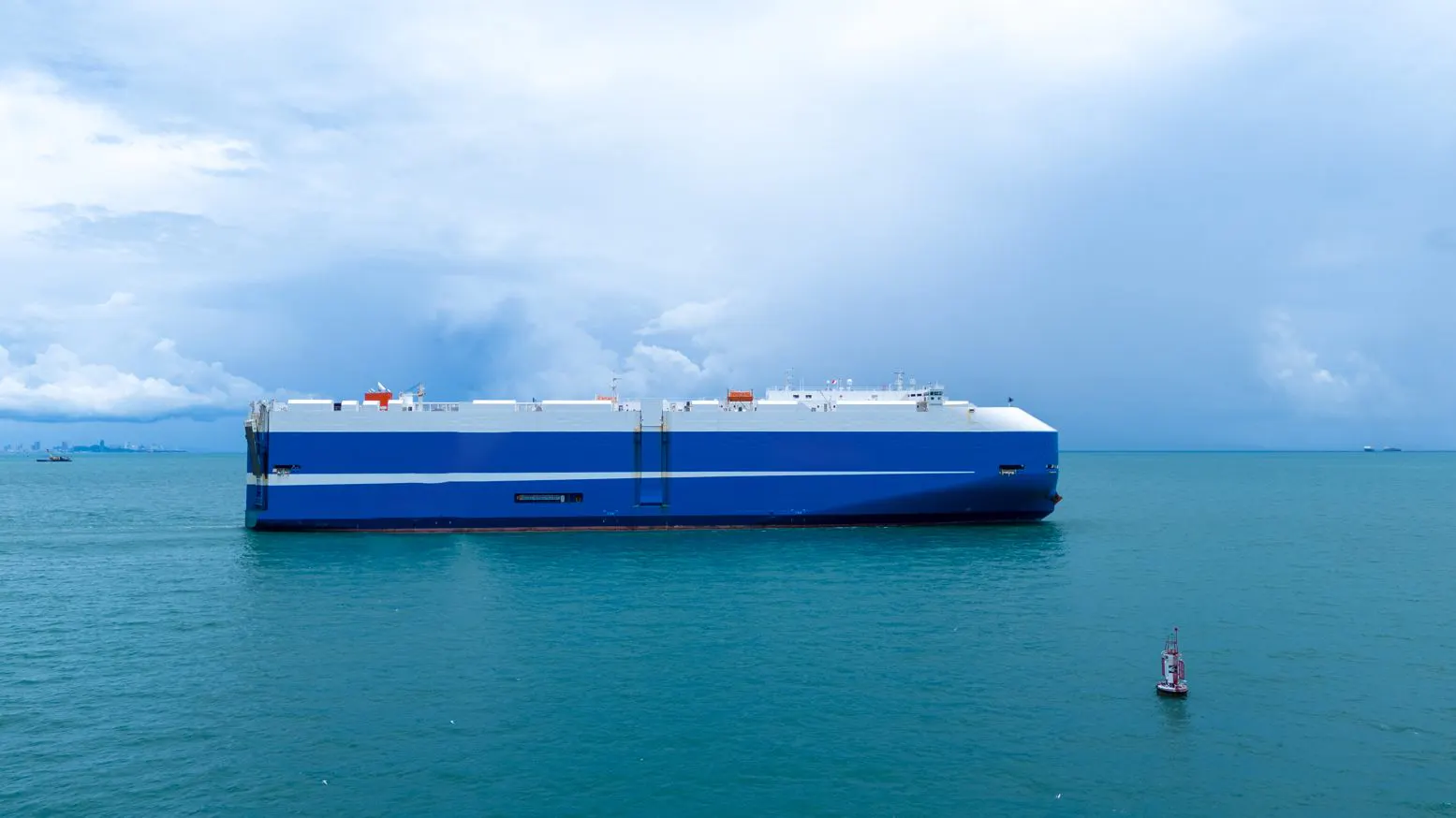
Larger players are adapting their fleets too. One major operator has converted 62,000-dwt pulp carriers into multipurpose ships with foldable frames that can carry more than 1,000 cars per voyage, stacked up to eight layers high, and has developed a wider frame for commercial vehicles. Even so, purpose-built car carriers remain dominant in global vehicle transport, and the world's biggest maker of new-energy vehicles has commissioned its own fleet, several of which are already in service.