China Takes 80% of Container Ship Orders as Korea Fills Slots With Gas
Around 380 boxships booked in China in the first half against 10-15% for Korean yards
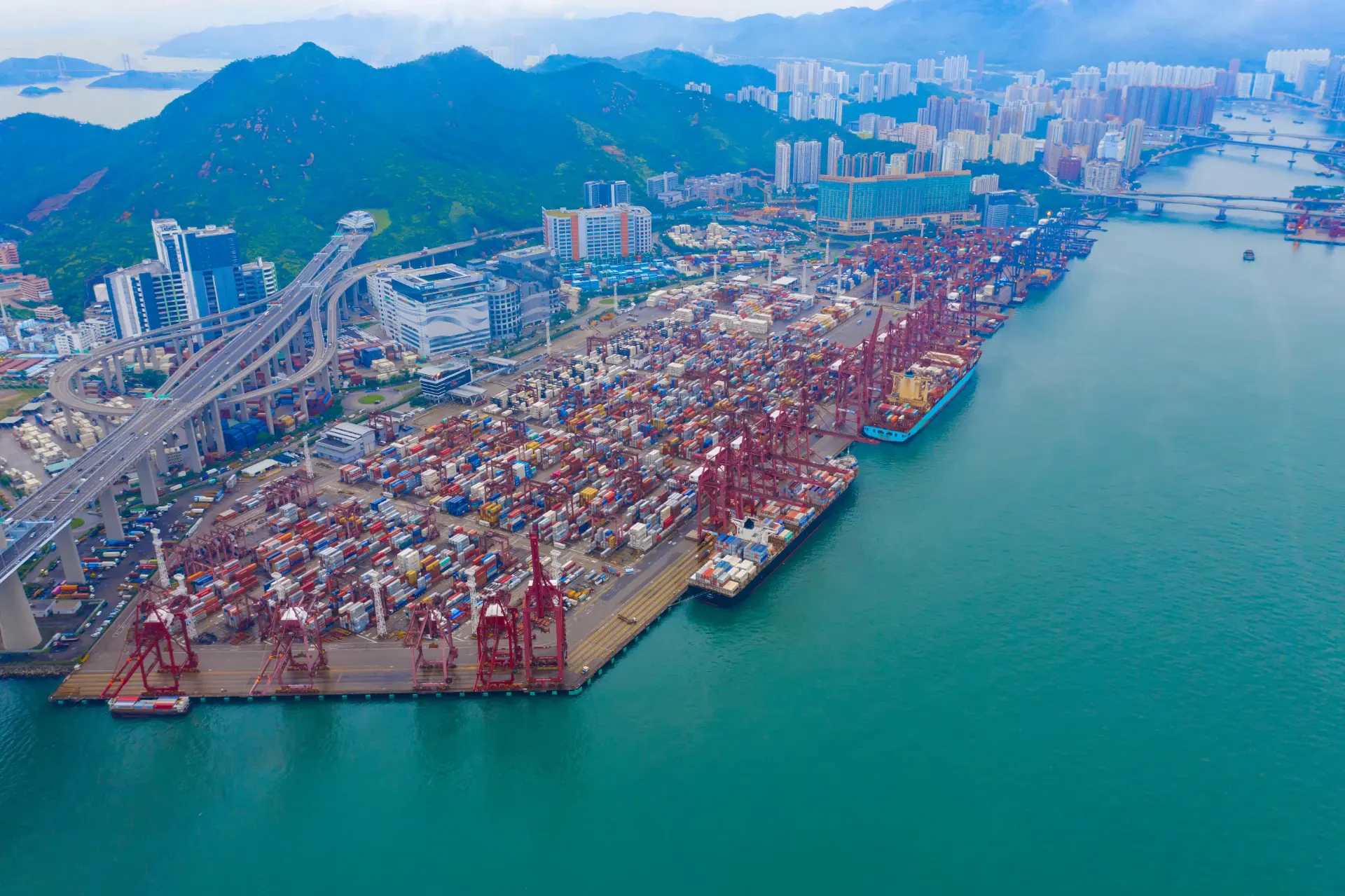
Chinese shipyards took more than 80% of new global container ship orders in the first half of 2026, roughly 380 vessels, while Korean builders secured between 10% and 15% of new box tonnage. The split reflects two different commercial strategies rather than a straightforward loss of competitiveness.
Korea's three major builders have filled years of backlog with high-value gas tonnage, principally LNG carriers and floating production, storage and offloading units. Delivery slots in the first half of 2029 are largely occupied by high-priced gas carriers, which leaves no space for the box tonnage carriers want on that timeline.
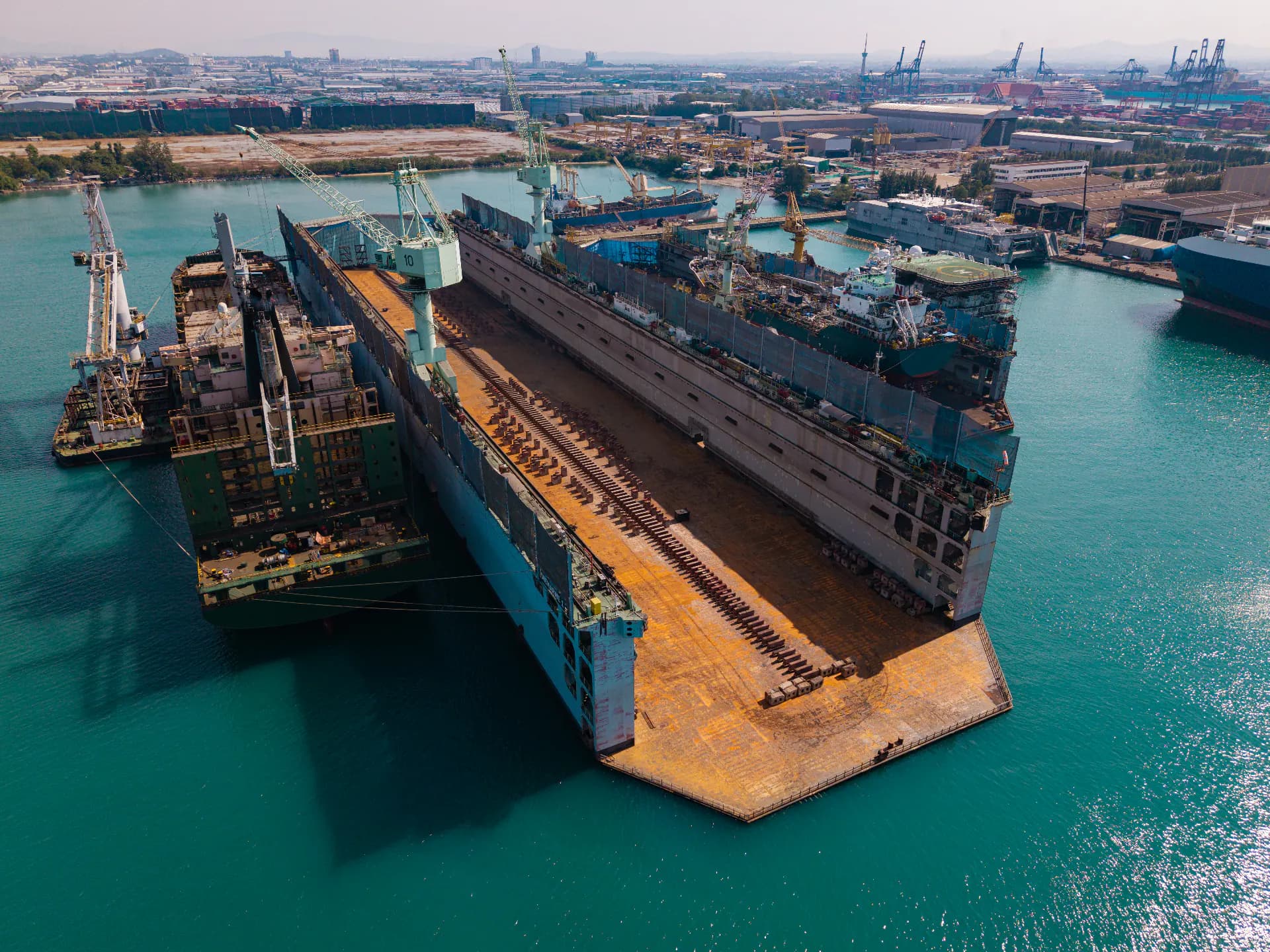
That timeline is the decisive factor. Industry officials point to the ability to deliver by the first half of 2029 as the main reason most container ship orders this year have gone to China. Chinese yards have rapidly expanded docks and equipment, lifting capacity across the full size range from ultra-large container ships down to feeders serving smaller ports, and can offer a variety of vessel types in parallel.
The order flow bears that out. MSC, the world's largest container line, placed a firm order in June with privately owned Hengli Heavy Industries for 10 ships of about 20,000 teu with options for 10 more, LNG dual-fuel and scheduled from the first half of 2029. Its current orderbook of more than 120 container ships is entirely under construction at Chinese yards.
CMA CGM ordered six small and mid-size ships from Hengli in June, having ordered six 22,000 teu LNG dual-fuel vessels from Dalian Shipbuilding under CSSC last November, with options for four more. In May and July it took delivery of the first and second of 10 ultra-large 24,000 teu ships ordered from Yangzijiang in 2023, the largest container vessels now sailing under the French flag. Maersk ordered eight 18,600 teu ships from New Times Shipbuilding in February for delivery in 2029 and 2030.
The most striking crossover is Taiwanese. Wan Hai Lines, which had mainly built in Korea, chose a Chinese yard for the first time last December with six 6,000 teu ships from Huangpu Wenchong, and this month ordered eight vessels of 9,200 to 11,000 teu worth $980m from Waigaoqiao. Lee Jae-hyeok, an analyst at LS Securities, said Korean yards were expected to keep filling second-half 2029 slots mainly with gas carriers under a strategy of selective ordering, and could look to high-value container tonnage from 2030 deliveries onward.