Canada picks TKMS for up to twelve submarines
Canada has selected the German shipbuilder TKMS as preferred supplier for up to twelve Type 212CD submarines, in what Ottawa describes as the largest defence procurement in the country's history. The choice was announced by prime minister Mark Carney at Canadian Forces Base Halifax on 6 July. It is not yet a signed contract, and Canada retains the option of turning to South Korea's Hanwha Ocean if negotiations fail. The government plans to complete contracting by the end of 2027, with the first four boats expected to arrive in 2034, while the builder expects to deliver the first submarine by 2033.
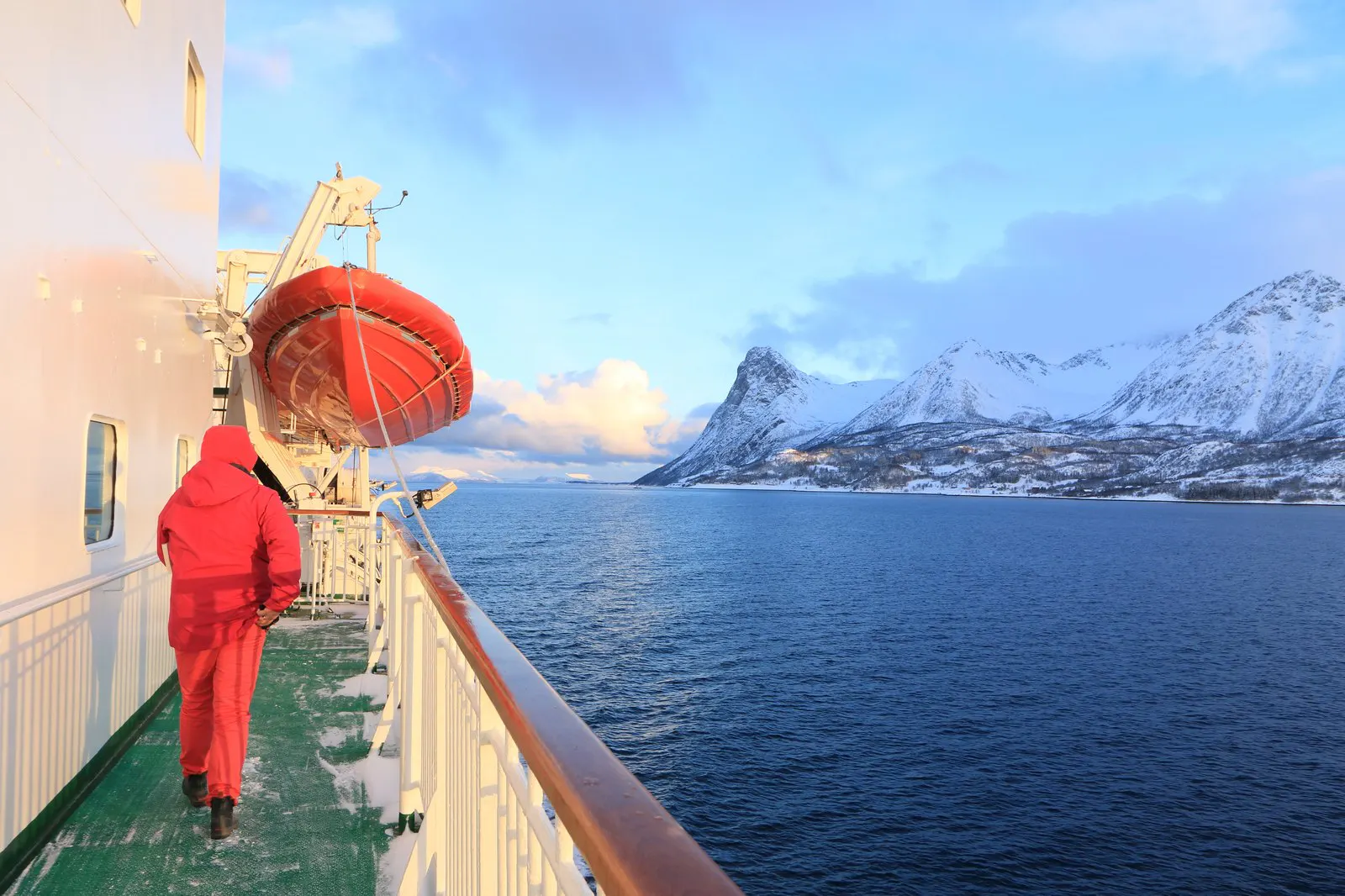
The urgency is straightforward. Only one of Canada's four ageing Victoria-class submarines is currently seaworthy, which leaves the navy unable to maintain a credible presence across the Atlantic, Pacific and Arctic simultaneously. Ottawa has framed the decision around the Arctic in particular, noting that the region is warming at close to three times the global average and that longer ice-free periods are bringing commercial traffic, resource interest and military competition into Canada's northern waters at the same time.
The 212CD was designed with Norway, and its builder describes it as built for northern conditions rather than adapted to them. The boat is roughly 243 feet long and uses a diamond-shaped, non-magnetic double hull intended to reduce its acoustic and magnetic signatures. Propulsion combines diesel engines with hydrogen fuel-cell air-independent propulsion, while lithium-ion batteries provide sprint speed and faster recharging. Canada says the arrangement allows more than forty days fully submerged in near-total silence, which in practice means crews can patrol for weeks without repeatedly snorkelling near the surface where a conventional boat becomes far easier to detect.
Germany and Norway are already buying the same class, and Norway's Kongsberg supplies key elements of the combat system. If Canada completes the purchase, the three allies would share a common platform, opening the way to joint training, compatible spares, software cooperation and crew exchanges. Submarines remain in service for decades, so shared maintenance and upgrade paths can materially reduce downtime when a component fails far from its original factory.
Ottawa says the winning agreement must match the full value of its investment with economic activity inside Canada, and Carney pointed to sustainment work in Halifax and Vancouver, training simulators in Montreal, clean-energy participation in Calgary and torpedo production in Manitoba. The builder says the potential order would increase its backlog by more than half. Several major figures remain undisclosed, including the final purchase price, through-life operating costs and the division of construction work, along with how the Arctic infrastructure required to support the fleet will be built.