Cadeler's Nexra and Vattenfall to develop turbine exchange methods
The memorandum covers blade, nacelle and gearbox replacement across multiple turbine platforms
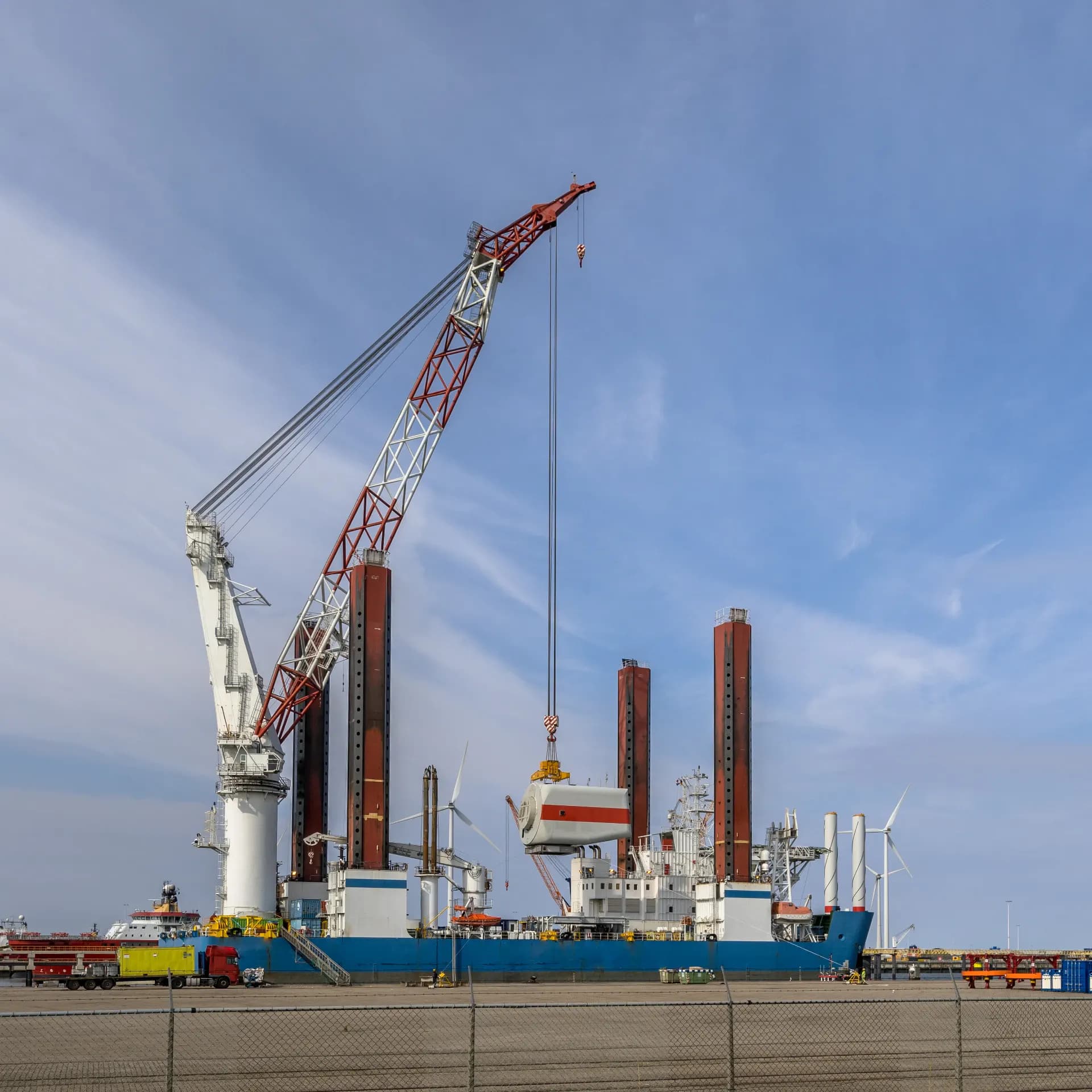
Cadeler has signed a memorandum of understanding with Vattenfall Vindkraft covering the development of maintenance methods for large offshore wind turbines, working through Nexra, the service platform the company established in 2025.
The scope is major component exchange: the replacement of blades, nacelles and gearboxes on turbines already in the water. The two companies will look at how specialist vessels, lifting equipment, service procedures and long-term maintenance planning can be combined to cut downtime, and at whether the resulting methods can be applied across different turbine platforms and scaled over several wind farms rather than engineered for one site at a time.
That is the commercial problem the agreement is aimed at. The installed base of offshore turbines is now large enough, and individual machines heavy enough, that component replacement has become a scheduling exercise rather than an occasional repair. "The offshore wind industry is entering a new phase, with a growing installed base and increasingly complex maintenance needs," said Jacob Christian Gregersen, chief growth officer at Cadeler, in the companies' joint statement.
Pavlo Malyshenko, head of generation for offshore wind at Vattenfall, framed the same point from the owner's side, saying the long-term competitiveness of offshore wind depends "not only on how we build projects, but also on how effectively and efficiently we operate."
Nexra runs the Wind Zaratan, the Wind Scylla and the Wind Keeper, with the option of drawing on vessels from the wider Cadeler fleet when a campaign needs them. Cadeler operates the largest fleet of jack-up offshore wind installation vessels and is listed in New York and Oslo.
No value, duration or vessel commitment is attached to the memorandum, which is an agreement to develop methods rather than a charter. For a fleet owner, the strategic value is in converting installation tonnage into a service business with a longer revenue tail than an installation campaign: turbines come down for a gearbox whether or not anyone is ordering new foundations.
This story is part of the Maritime Briefing of 23 September 2026.