Brent Climbs 24 Percent In July As Chokepoint Disruption Reprices Oil
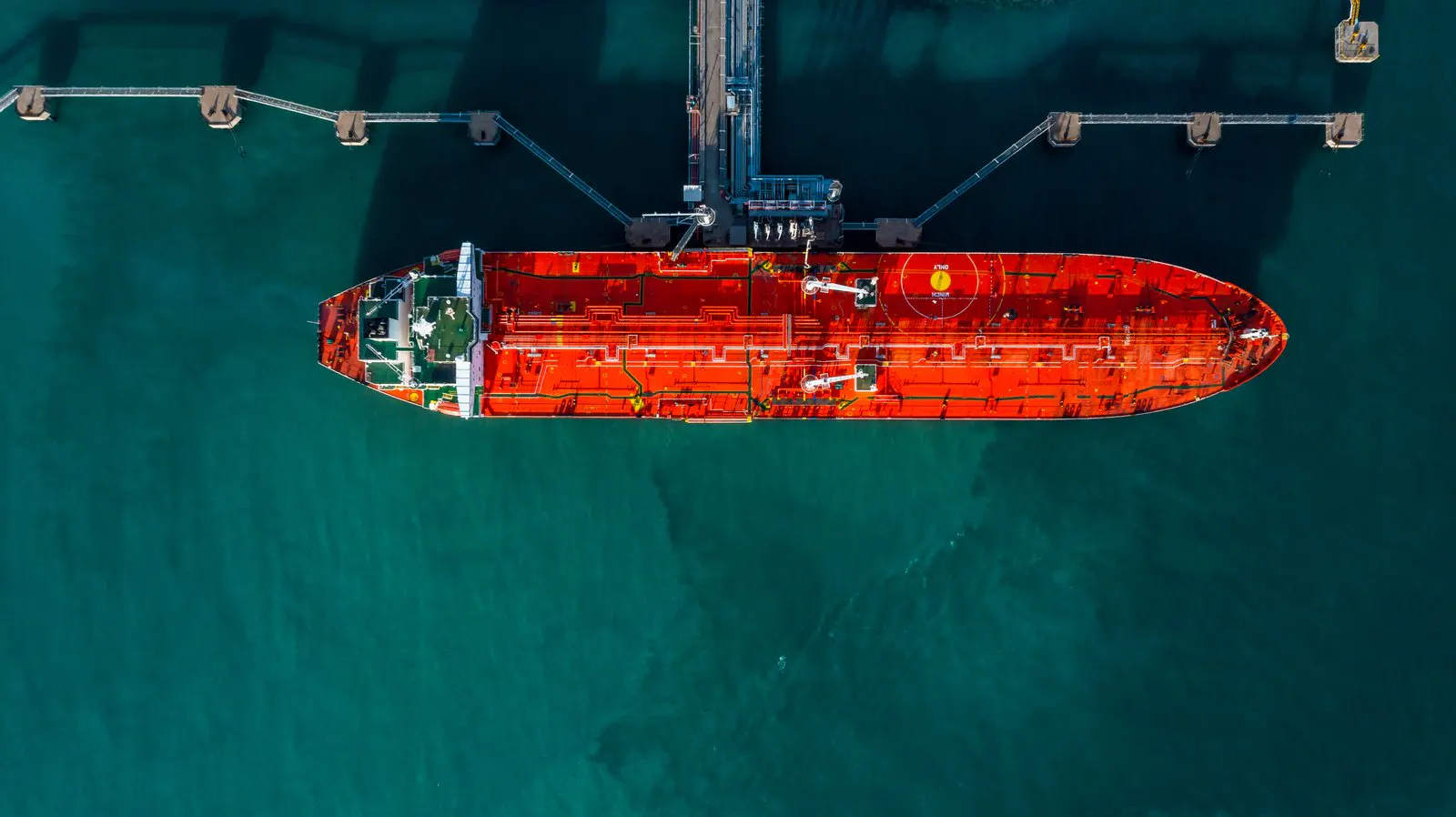
Brent crude rose 24 percent during July and West Texas Intermediate gained 21 percent as tanker disruption in the Strait of Hormuz and threats to traffic in the Bab el-Mandeb strait pushed shipping risk to the centre of oil price formation. Brent futures closed the period at 90.12 dollars a barrel, up 1.09 dollars, while WTI settled at 84.67 dollars, up 1.08 dollars. Analysts described a market that is now trading shipping data rather than war headlines.
The distinction matters. For much of the past two years oil has responded to political developments in the Middle East with sharp moves that faded within days, because the physical flow of barrels was never interrupted. That is no longer the case. Iranian forces have stopped two tankers and forced four others to divert, and only two very large crude carriers exited the Strait of Hormuz on Friday. Ship-tracking analysts report that traffic through the strait remains sparse, while twenty-nine commodity vessels passed Bab el-Mandeb on Thursday, a fraction of what the route carried before attacks on Red Sea shipping began.
Inventory data has reinforced the risk premium. United States crude stocks are at their lowest level since 2018, leaving less buffer against a supply interruption than at any point in seven years. Domestic output fell two percent in May from April's record, though exports reached new highs, a combination that tightens the domestic balance while committing more American barrels to long-haul voyages that are themselves exposed to the same chokepoint risks.
Two events during the period sharpened concern about the Mediterranean end of the trade. A drone strike on two gas carriers at Egypt's Damietta port raised fears about the security of traffic approaching the Suez Canal, and Ukraine claimed a strike on a Russian refinery at Volgograd. Against that backdrop Saudi Arabia announced that it was seeking a coalition to defend Bab el-Mandeb and the Gulf of Aden, an initiative that has since taken the form of a fourteen-nation declaration.
Forecasters remain more cautious than the spot market. A survey of 31 economists put average Brent for 2026 at 85.22 dollars a barrel, up only slightly from the 84.50 dollars estimated a month earlier, implying an expectation that prices stay elevated without the current disruption becoming permanent. For shipowners the calculation is different from that facing oil buyers. Sustained chokepoint disruption raises bunker costs but lengthens voyages, and on the evidence of tanker earnings so far this year the second effect has comfortably outweighed the first.