Brazilian State Oil Producer Posts Record Quarterly Profit
Brazil's state-controlled oil company has reported second-quarter net income of 52.4 billion reais, about 10.4 billion dollars, in a result the company attributes to record production levels alongside firmer realised prices. The board approved 17.4 billion reais in dividends and interest on equity for the quarter, while gross debt stood at 70.8 billion dollars.
The production figures published with the result contain an internal inconsistency, giving both a record total output and a separately stated higher figure for operated production, and the two are not reconciled in the release. The direction is not in doubt and the earnings are not affected by the discrepancy, but the specific volumes should not be relied upon until the company clarifies which basis each refers to. Comparisons drawn from either number alone risk repeating the error.
The distribution is the part of the result with the widest consequences. A state-controlled producer paying out substantial sums each quarter is simultaneously a commercial enterprise and a fiscal instrument, and the payout ratio is a political question as much as a financial one. Governments with a controlling stake face a permanent tension between taking cash out now and leaving it in to fund the deepwater development that sustains production a decade hence, and the balance struck tends to move with the electoral calendar.
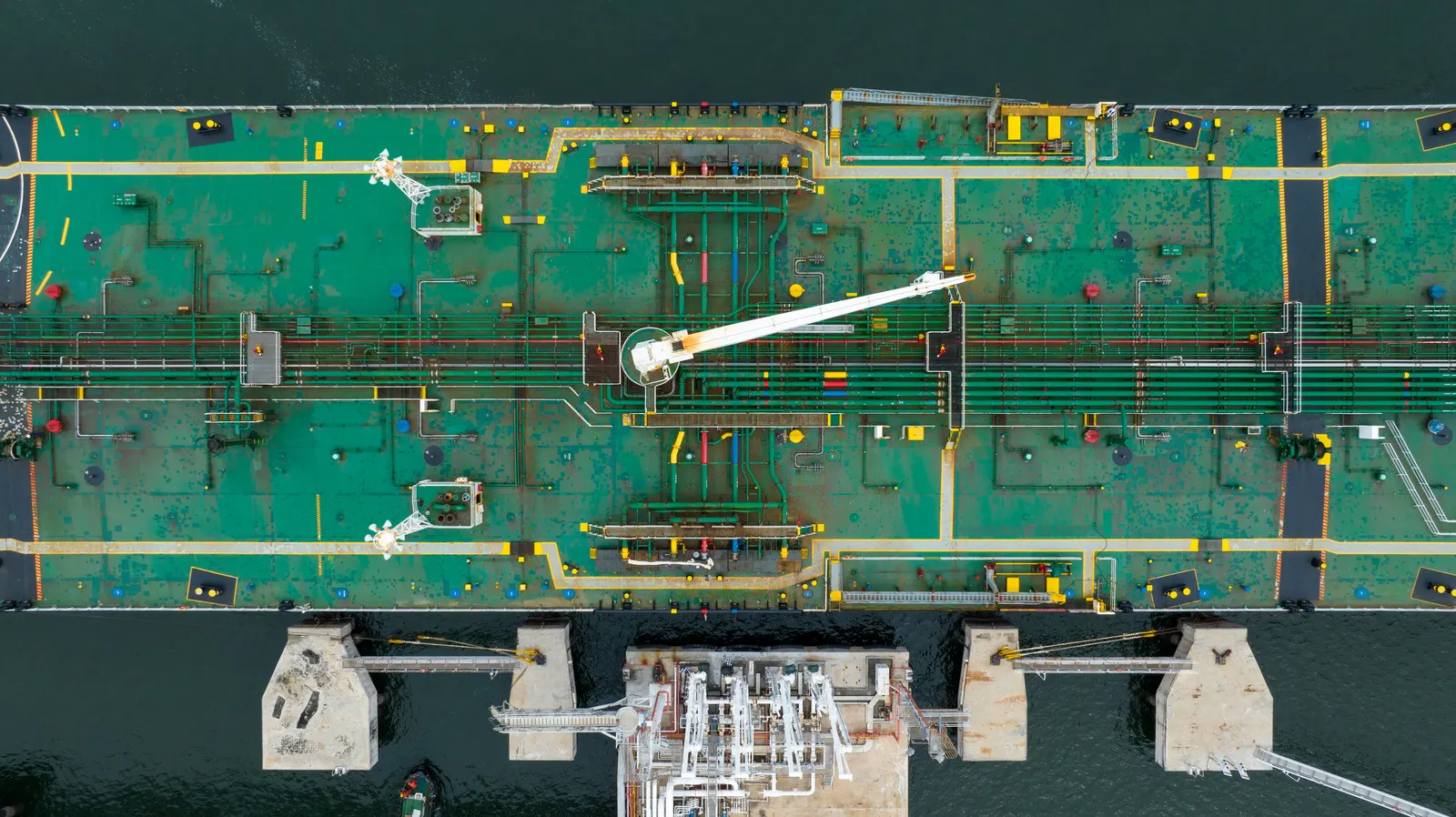
For shipping, the company's production trajectory matters more than its profit. Brazilian crude moves predominantly to Asia, principally China, on very large crude carriers making a long ballast-laden round trip. Each additional barrel produced in the pre-salt fields and sold east generates a disproportionate quantity of tonne-miles compared with a barrel moving within the Atlantic basin or across the Gulf. Sustained growth from this producer absorbs large-tanker capacity in a way that few other supply sources do.
The debt figure is the constraint on all of it. Deepwater development is among the most capital-intensive activities in the energy industry, with individual production units costing billions and taking years from sanction to first oil. A gross debt position above seventy billion dollars limits how much can be committed while distributions remain at current levels, and the company's future output profile is essentially a statement about how that trade-off has been resolved. Charterers of the tonnage that lifts the resulting crude read the capital programme rather than the quarterly profit.