BP puts North Sea business up for sale
BP has launched a process to sell its North Sea business, ending an association with the basin that has run for six decades. The company said the decision forms part of an ongoing portfolio review and reflects a disciplined approach to capital allocation, in service of creating a simpler, stronger and more valuable company. Chief executive Meg O'Neill said the United Kingdom has been the company's home for more than a century and will continue to play an important role in its future, and that the North Sea remains integral to the country's energy system, but that the business would be better positioned as part of another company.
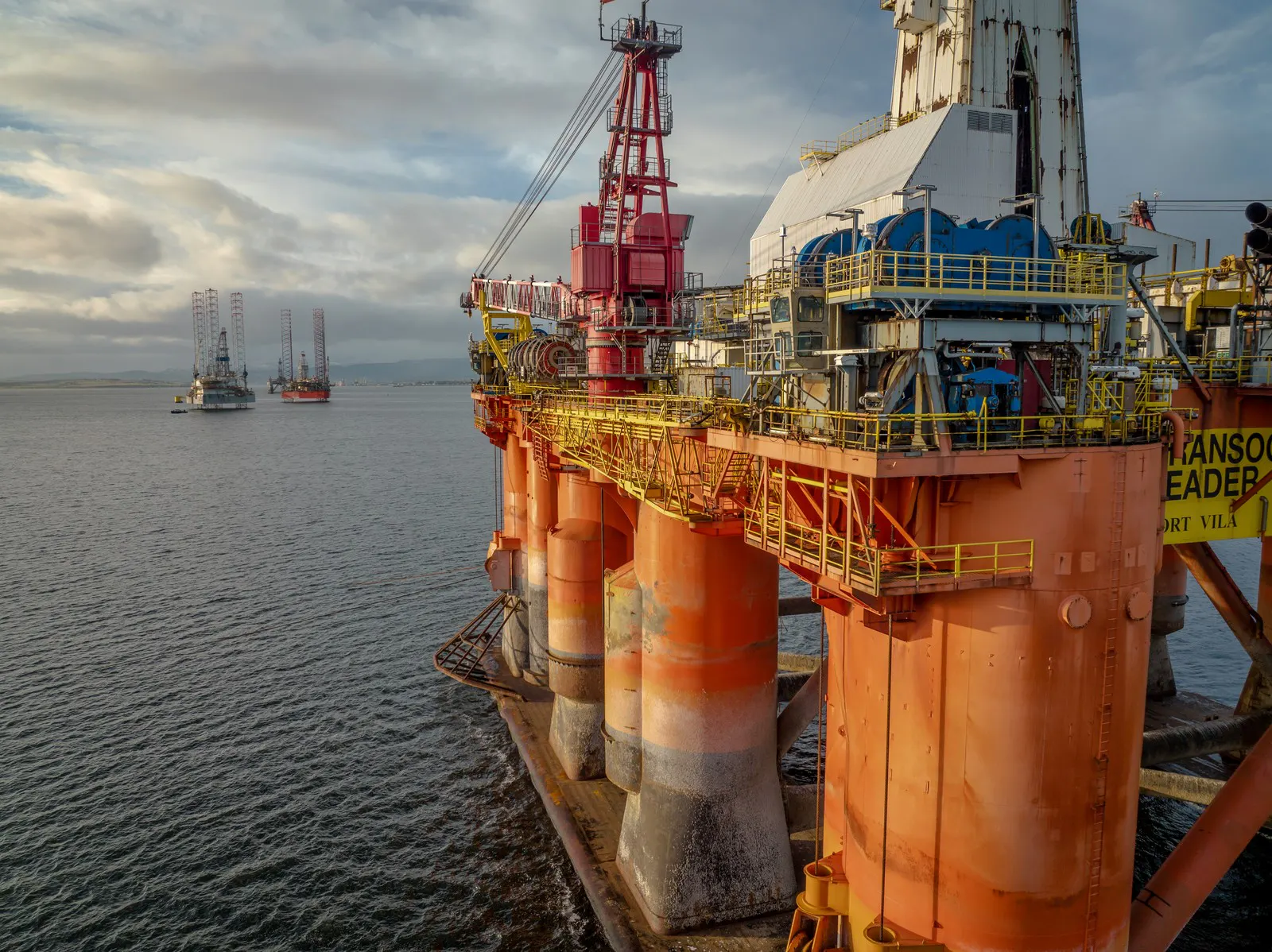
The portfolio on offer comprises five production hubs in the central North Sea and west of Shetland, namely Clair, Clair Ridge, Glen Lyon, ETAP and Andrew, together with a stake in one non-operated field. Around 1,100 people are employed in the business. It generated roughly 5% of the group's oil and gas output last year, around 117,000 barrels of a total of 2.3m barrels of oil equivalent per day, a share that explains why a disposal is possible without materially altering the company's production profile.
The basin itself has become considerably less attractive. A ban on new drilling has closed off replacement barrels, and output across the province has fallen steeply, to around 1m barrels of oil equivalent per day last year from 4.5m in 2000. On top of that sits the energy profits levy introduced as a temporary measure by the previous government, which combined with other taxes leaves companies operating in the United Kingdom facing an overall rate of 78%. Comparable moves by ExxonMobil, Shell, TotalEnergies and Eni, each of which has sold, merged or scaled back its position, point to a common assessment.
The timing carries a political edge. Prime minister Andy Burnham said this week that he intended to take a pragmatic approach to developing and using North Sea oil and gas resources, but the announcement indicates the company is not waiting to see what that means in practice. Chris Beauchamp, chief market analyst at the trading platform IG, said it says a lot when the company is not prepared to stay and see whether the new government can re-energise energy policy, adding that it evidently expects the process to take too long at a point when developing new fields is pressing.
O'Neill took over as chief executive on 1 April and has since reversed the group's renewable energy strategy in favour of oil and gas, reorganising the company from three business segments into two. Reports emerged the same week that the group plans to cut 700 jobs. It currently employs 93,700 people across 61 countries, 14,000 of them in the United Kingdom.