Belgium seeks alternatives as joint frigate programme slips
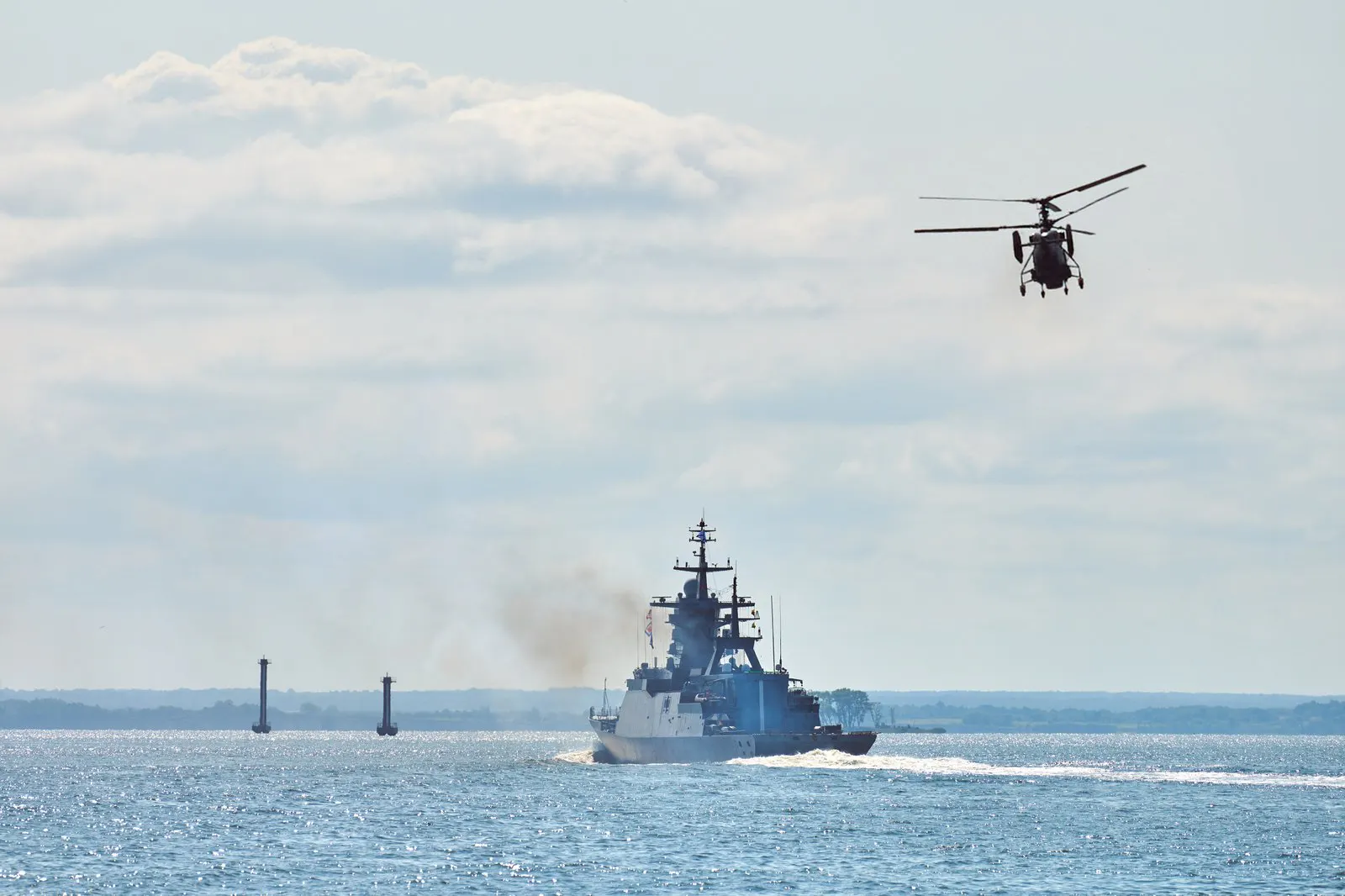
Belgium is looking for alternatives to the anti-submarine warfare frigate programme it runs jointly with the Netherlands, after cost growth and repeated delays led defence minister Theo Francken to describe the project publicly as a disaster. Speaking to Flemish television on 19 July, Francken said discussions with the Netherlands continue but confirmed that Brussels is examining other options in the hope of containing the price and partially restoring the original schedule.
The programme is led by the Dutch builder Damen and is intended to deliver four ships, two for each navy, replacing the existing Karel Doorman-class frigates. Francken said the vessels started out targeting a unit price of around 600m euros and have since risen to roughly 1.3bn euros each. He indicated that Belgium would in principle like a third hull, following the Netherlands' announcement in September 2024 that it aimed to double its own order to four, but added that it does not want one at that price. The original schedule envisaged commissioning around 2031; that target had already slipped once, and the builder flagged a further delay of two to three years earlier this year.
Belgium intends to launch a request for information to gather input from other European frigate builders, and Francken named Italy, France, Germany, Spain and Turkey as potential suppliers. Under the memorandum of understanding governing the programme, Belgium has the right to refuse contractual adjustments for cost increases that were not foreseen, but decisions of this magnitude are normally taken jointly with the Netherlands by unanimous vote in the steering committee.
The stakes extend well beyond one class of ship. The frigate project is the latest element in an unusually close integration of the two navies that dates back to the late 1940s, and which has produced shared training, common procedures and joint supply lines. Unless a decision to terminate is taken by both countries together, ending the programme would push the two fleets back towards operating different classes of warship, which over time pulls those shared arrangements apart. Francken said it must become clear during the summer whether the current cooperation model can continue, with a decision on the way ahead due by October.
No straightforward alternative exists. Most European designs available at short notice carry significant costs of their own. Germany's MEKO anti-submarine frigates, which Berlin now plans to build after terminating its own troubled programme with the same Dutch yard, are priced towards 1.66bn euros per hull. An Italian entry could be based on the FREMM EVO, which would also be expensive, or on the cheaper PPA design, which is arguably closer to the modest capability level the joint programme was aiming at. France would be expected to offer the FDI design and Spain the F-110, while a Turkish bid would presumably rest on the Istanbul class, whose anti-submarine credentials are less established.