Bahrain Terminal Operator's First-Half Profit Falls Seventy-Two Percent
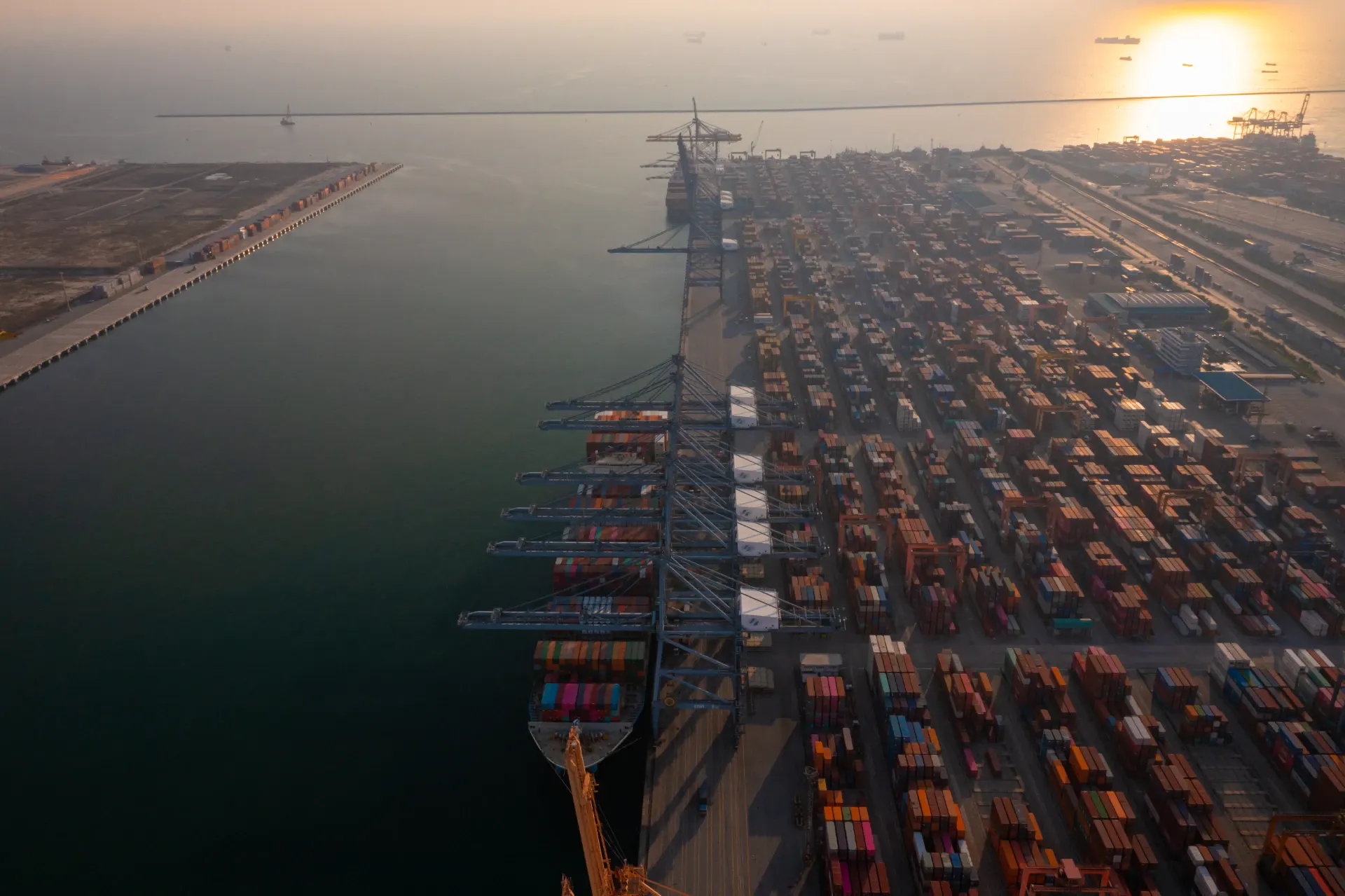
The operator of Bahrain's principal commercial port reported a 71.7 percent fall in first-half net profit, to 1.198 million dinars from 4.231 million, as revenue declined across all three of its business lines. Interim statements were approved by the board on 5 August and filed with the local exchange.
Revenue for the six months to 30 June fell 25.4 percent to 14.323 million dinars from 19.208 million. Container services declined 25.4 percent to 6.641 million, general cargo fell 9.8 percent to 4.865 million, and marine services contracted most sharply at 42.7 percent, down to 2.817 million from 4.914 million. Gross profit fell 47 percent to 3.778 million and operating profit dropped 68.2 percent to 1.597 million, while direct operating expenses fell 12.7 percent to 10.545 million.
The second quarter was considerably worse than the half implies. Quarterly net profit fell 92.7 percent to 133,000 dinars from 1.812 million, on revenue of 6.182 million against 9.084 million. First-half earnings per share fell to thirteen fils from forty-seven. A business whose quarterly profit has fallen by more than nine tenths is not experiencing a soft patch; it is experiencing a change in the conditions it operates under.
The pattern across the segments points to where that change originates. Marine services, which cover towage, pilotage and vessel handling, fell furthest, and that line moves with the number of ships calling rather than with the cargo they carry. General cargo, the most locally driven of the three, held up best. A terminal seeing marine revenue fall by more than 40 percent while general cargo declines under 10 percent is losing vessel calls rather than domestic demand.
Bahrain sits inside the Gulf, and Gulf shipping has been operating at a fraction of normal levels since the conflict involving Iran began in February, with exports running roughly 40 percent below pre-war levels and traffic through the Strait of Hormuz reduced to a trickle for much of the period. A port at the head of that gulf handling the country's containerised trade under a twenty-five year concession has no ability to reroute around the problem and no other market to serve. The cost discipline visible in the numbers is real, but a 12.7 percent reduction in operating expenses against a 25.4 percent fall in revenue is the arithmetic of a business absorbing something it cannot control.