Arctic LNG 2 Fleet Grows to 18 Carriers as China Shipments Climb
Tankers have delivered 2.3 million tonnes to Beihai across 31 shipments so far this year
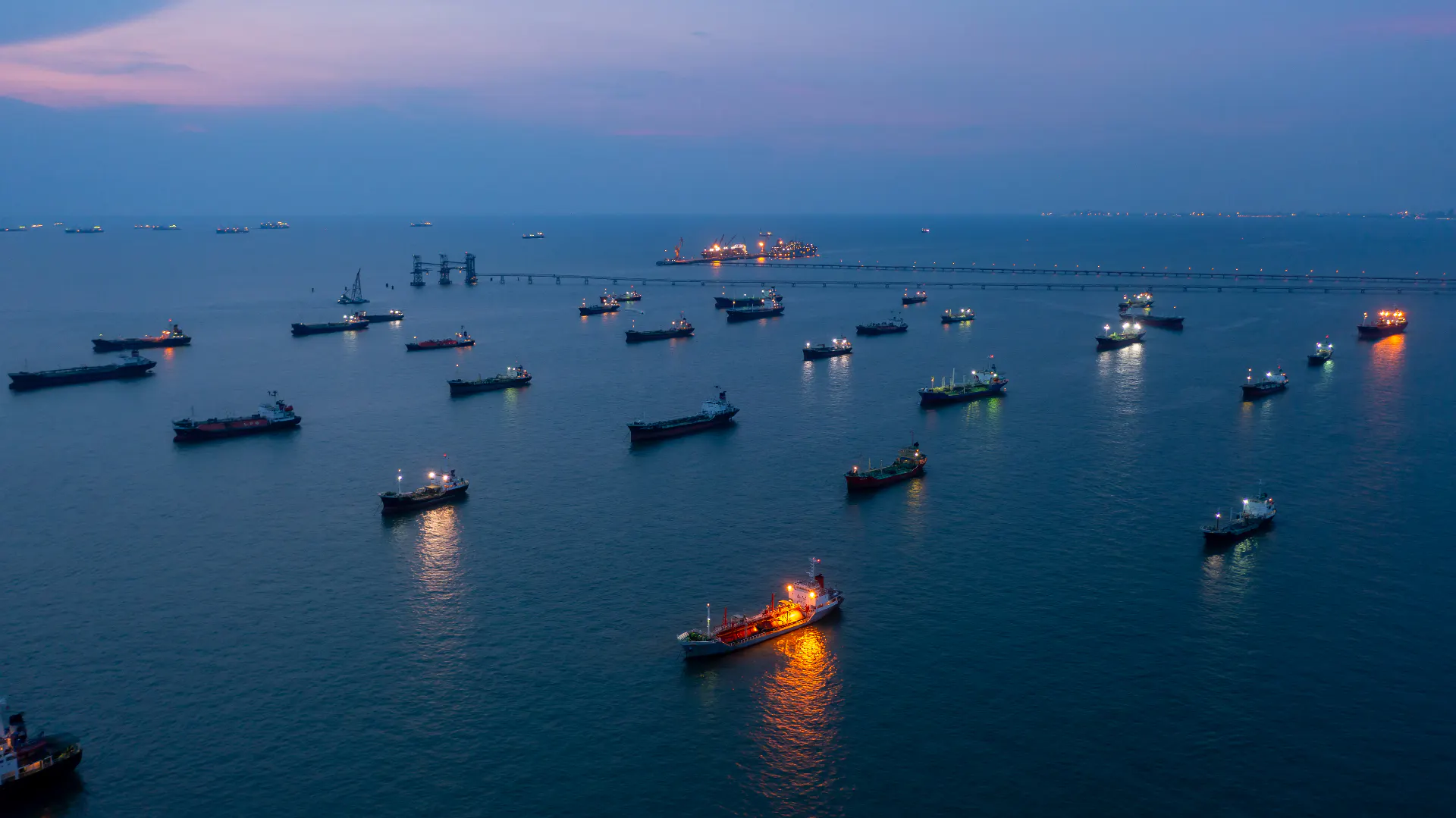
Novatek and its partners now operate a fleet of at least 18 gas carriers serving the sanctioned Arctic LNG 2 project, and shipments of the cargo along the Northern Sea Route are reaching a historic high as summer sea ice retreats to its annual minimum.
The plant on the eastern shore of the Ob Bay has been under international sanctions since 2023. Connected infrastructure, including the Saam floating storage unit and the LNG carriers themselves, is also sanctioned. Production and export from the project have nonetheless continued to increase.
Tankers have exported 2.3 million tonnes of LNG from Arctic LNG 2 to the Chinese port of Beihai so far in 2026, across a total of 31 shipments. Carriers involved include the Voskhod, Arctic Pioneer, Arctic Vostok, Zarya, Arctic Mulan, La Perouse, Buran and Arctic Metagaz. The last of those was destroyed in a drone attack in the Mediterranean in March 2026.
The fleet also draws on Novatek's own Aleksey Kosygin and Konstantin Posiet, as well as the Christophe de Margerie, alongside carriers running shipments from the Saam unit in Ura Bay on the Kola Peninsula and the Koryak unit in Bechevinskaya Bay on the Kamchatka Peninsula.
At least six further carriers have recently been acquired. The Merkuriy, Luch, Kosmos, Orion, Arctic Express, Chaivo and Avacha are now serving Russian business interests, with several having loaded LNG in waters off the Kola Peninsula this year. The Avacha took part in a transshipment at the Saam unit in mid-August.
The recent acquisitions are ageing ships of around 20 years, but newbuilding continues in parallel. The Aleksey Kosygin and Konstantin Posiet were commissioned at the Zvezda yard in Russia's Far East in 2025 and 2026. Two more carriers, the Sergey Witte and Viktor Chernomyrdin, are expected to be commissioned in 2026 or 2027.
Novatek also operates the Yamal LNG project, which is not yet sanctioned but will be affected by the European Union's full ban on Russian LNG taking effect on 1 January 2027. That ban is expected to push Russian Arctic LNG exports further towards China, and the two countries have already signed a bilateral protocol to expand cooperation at Yamal.