American Shipbuilder Reports Growth And An Early Destroyer Delivery
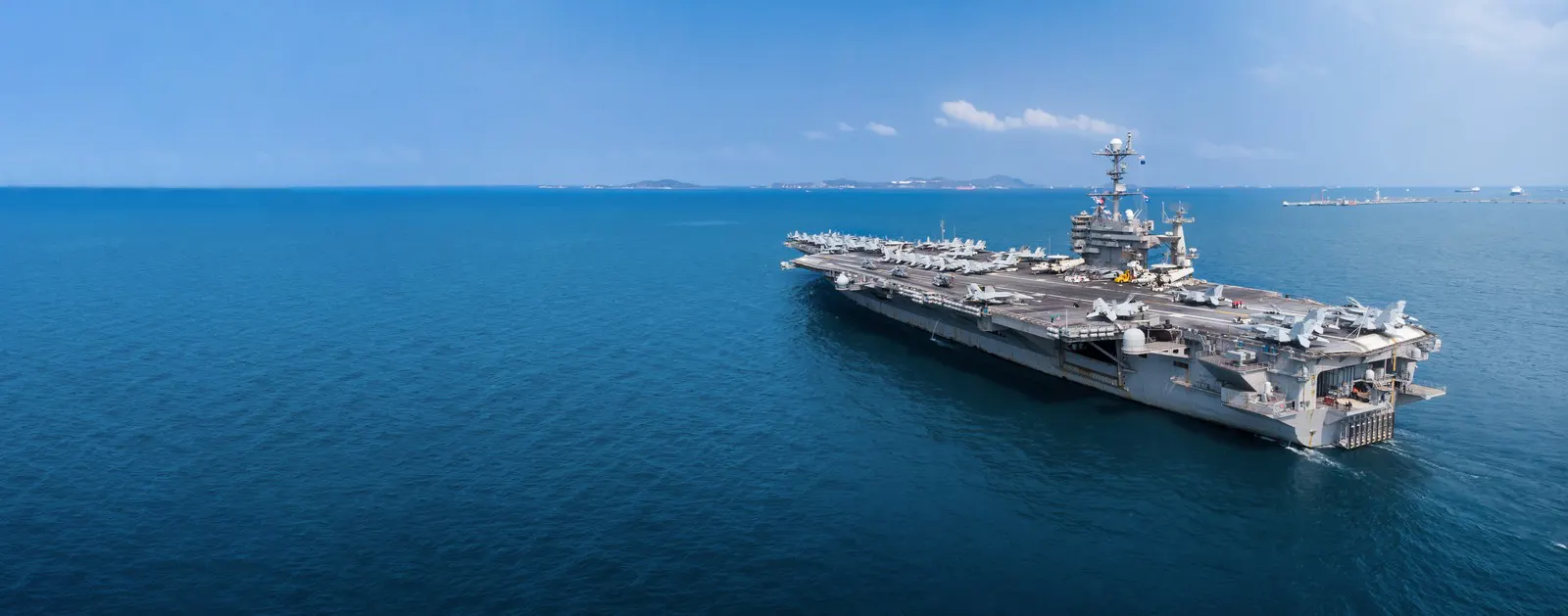
The marine division of a large United States defence contractor has reported second-quarter revenue up 10.4 percent year on year with operating earnings rising 17.5 percent, and delivered a guided missile destroyer nearly three months ahead of its contracted date. Full-year revenue for the division is guided to about eighteen billion dollars at an operating margin of 7.4 percent.
An early warship delivery is rare enough to be worth dwelling on. Naval shipbuilding programmes in the United States have been characterised for years by delay, and the destroyer class in question has been in production for decades with a well-documented record of schedule slippage. Beating a contracted date by almost three months indicates that the yard has recovered a measure of throughput, most plausibly through workforce stability after a long period in which hiring and retaining skilled trades was the binding constraint.
The margin figure is the more sobering number. A 7.4 percent operating margin on eighteen billion dollars of revenue is thin for a business of that complexity and capital intensity, and it reflects the structure of naval contracting rather than any failing by the builder. Fixed-price and incentive-based contracts on ships that take years to build expose the yard to cost inflation it cannot pass through, and the customer is a single buyer with statutory purchasing rules and considerable negotiating leverage.
Growth of ten percent in revenue is being driven by a broad rearmament in which submarine and surface programmes are both expanding, and the constraint on all of it is industrial rather than financial. The United States has a small number of yards capable of building complex warships, a supply chain that contracted sharply after the Cold War, and a shortage of welders, pipefitters and electricians that cannot be resolved by appropriating more money in a given year. Capacity of this kind takes the better part of a decade to rebuild.
That constraint is why the same government has been encouraging foreign shipbuilders, principally Korean, to invest in American yards, and why the commercial and naval sides of the problem have become entangled. A country with a healthy commercial shipbuilding industry maintains the workforce and the supplier base that naval programmes draw on in wartime. The United States lost the commercial side decades ago and is now discovering what it cost, one delivery schedule at a time.