Indian Recyclers Are Bidding Into Losses as End-of-Life Tonnage Dries Up
Offers have climbed as much as $30 per light displacement ton in three weeks on a shrinking supply of candidates
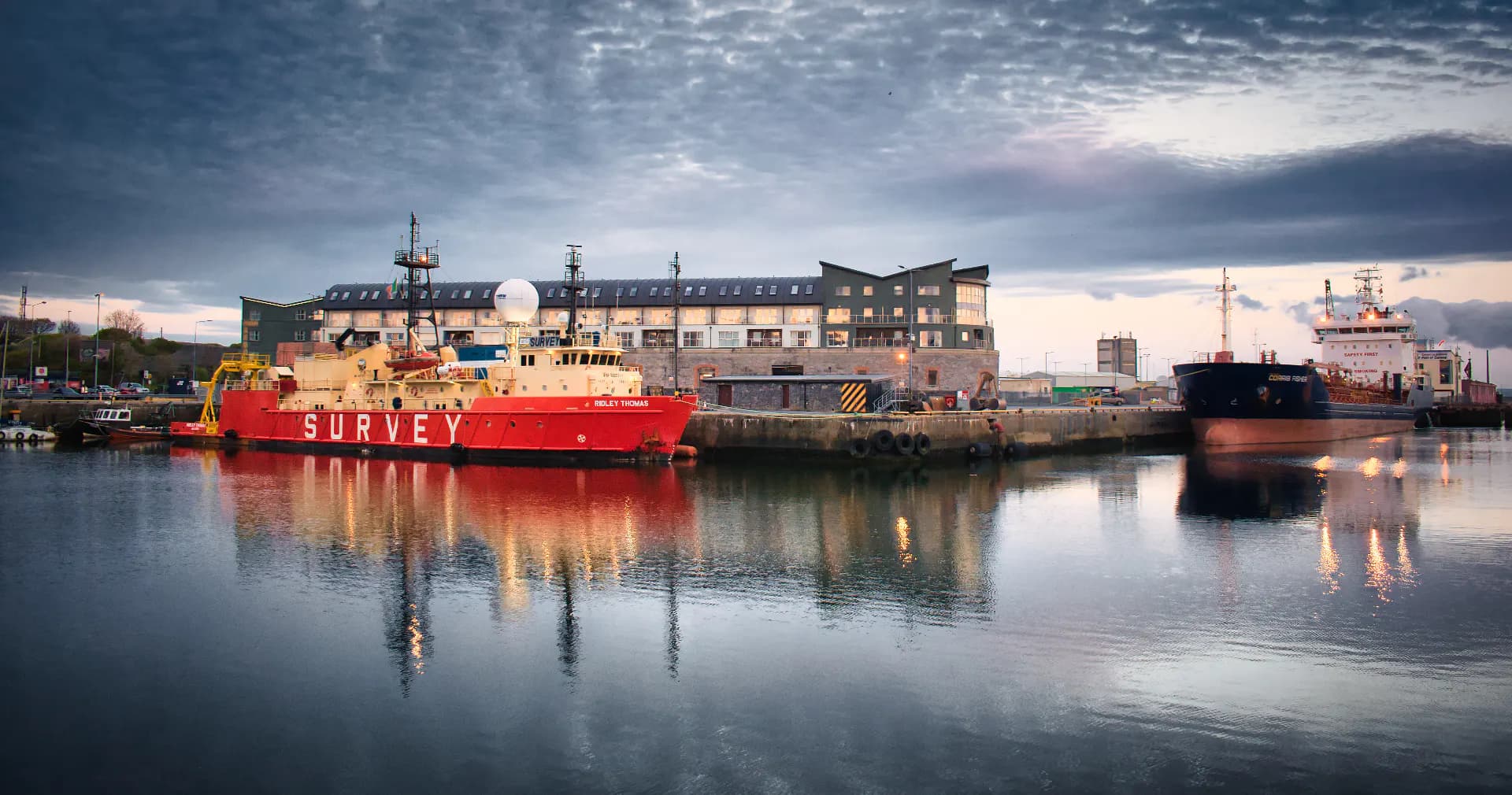
Indian ship recyclers are increasingly prepared to bid at levels that would produce substantial losses at current prices, as competition for a shrinking pool of end-of-life vessels intensifies.
Prices offered by Indian recyclers have climbed by approximately $30 per light displacement ton over three weeks, supported by an improving domestic steel market but driven increasingly by the shortage of vessels available for demolition. Wirana Shipping, one of the oldest and largest cash buyers of vessels for recycling, says recent bids from high-standard facilities show how a prolonged lack of tonnage has begun to distort normal pricing dynamics.
The steel side of the equation is genuinely strong. India's local steel plate prices rose $13 per metric ton during the latest week, marking seven consecutive weeks of increases. Local scrap prices rose $10, imported scrap increased $18, and semi-finished and finished steel products climbed by roughly $15 to $25.
That strength does not account for what is being offered. We are seeing a situation where the scarcity of vessels is becoming as important to pricing as the value of the steel itself, said Rakesh Khetan, chief executive of Wirana Shipping. Some high-standard recycling facilities are bidding very aggressively for the limited tonnage available, he said, even when the economics suggest they could make a substantial loss at current steel prices.
The behaviour has a straightforward operational logic behind it. Recycling facilities have invested heavily in infrastructure, safety, environmental standards and their workforce, Khetan said, and they need a reasonable flow of vessels to keep those operations active. When supply stays constrained for a prolonged period, competition for each suitable candidate naturally becomes stronger. The danger, he added, is that prices become disconnected from the underlying recycling economics.
Fixed costs that have to be covered whether or not a ship arrives are the mechanism. A yard that has built plant to a higher standard has more to lose from an idle plot than one that has not, which is the awkward corollary of the upgrade programmes the sector has spent a decade completing.
The market itself remains thin. Recycling candidates from the dry and offshore sectors were circulated in India and attracted active interest from recyclers, but across the wider market only a limited number of dry, tanker and offshore candidates came forward during the week, and overall supply is expected to remain slow to moderate. Relatively healthy freight and second-hand markets continue to give owners alternatives, and while a sale and purchase transaction remains attractive, a vessel that could be recycled is generally sold instead.
The shortage runs alongside a parallel argument in Brussels over which yards European-flag ships may use at all, set out in the case for two Alang facilities.