Six Shipping Bodies Back Two Indian Yards for the EU Recycling List
Both Alang facilities use beaching, and campaigners say approving them sets a double standard
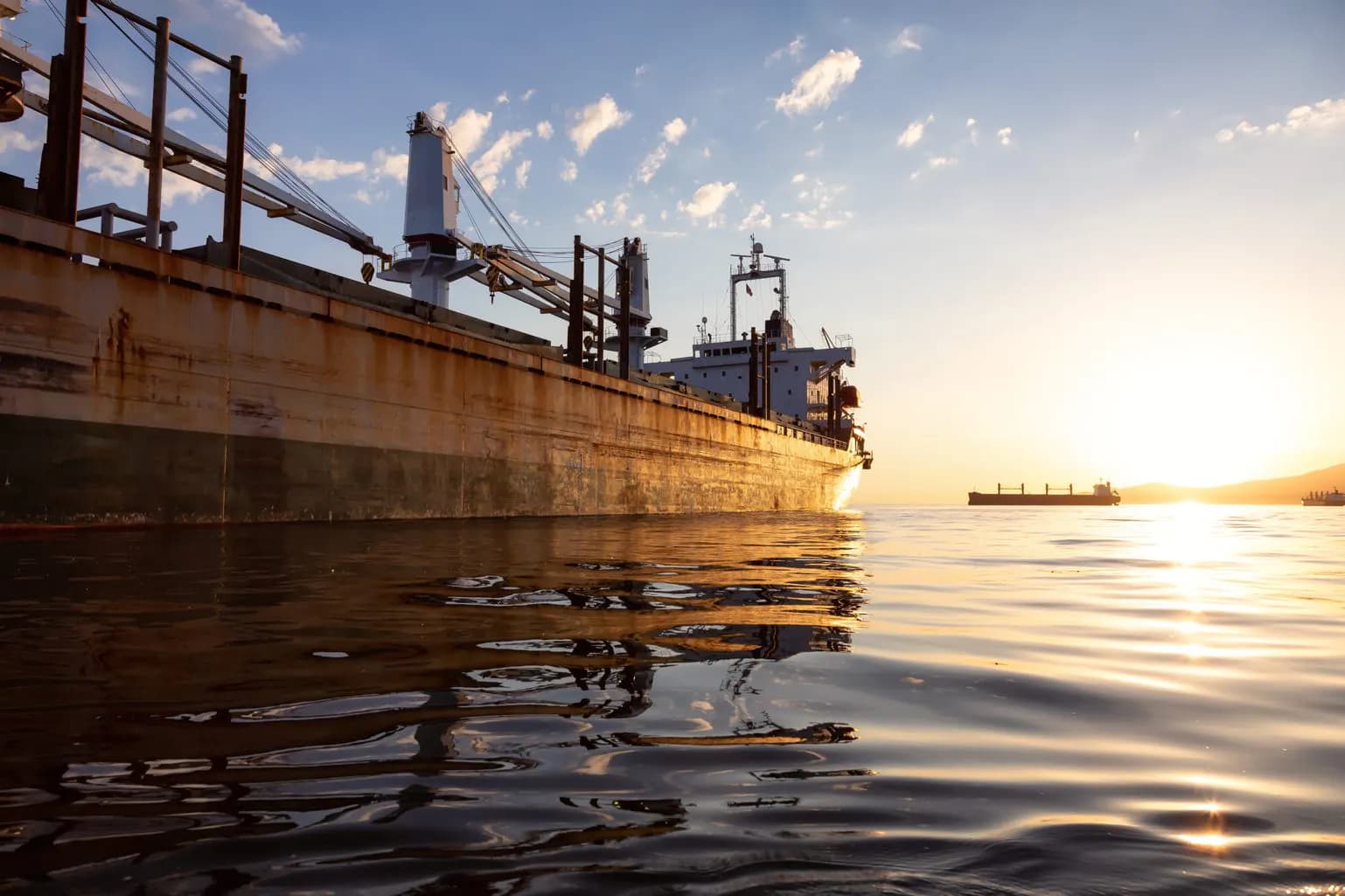
Six of the industry's largest representative bodies are urging European policymakers to approve two Indian ship recycling yards for the European Union's approved list, setting up a clash with environmental groups that want them excluded because they use the beaching method.
BIMCO, European Shipowners ECSA, the International Chamber of Shipping, INTERCARGO, INTERTANKO and the World Shipping Council issued a joint statement welcoming the European Commission's proposal to add the two facilities to the European List of Ship Recycling Facilities. The inclusion of these two facilities is an important step towards resolving the structural capacity shortage on the European List, the groups said.
The proposal would add Shree Ram Vessel Scrap and Shree Ram Shipping Industries, together with YSI Recyclers, all located in Alang-Sosiya in Gujarat. The Commission determined after reviewing the facilities that both meet the safety and environmental requirements of the EU Ship Recycling Regulation. Both use beaching, in which ships are driven onto intertidal areas before being dismantled, and that finding has opened a wider argument about whether upgraded South Asian beaching yards can qualify under European standards.
The industry position is that location and method are the wrong tests. The groups said inclusion "should be determined solely on whether a facility meets the EU SRR's safety and environmental requirements, based on objective assessment and inspection", arguing that the Indian yards have invested substantially in infrastructure, worker safety and environmental management since the Hong Kong Convention was adopted in 2009.
Campaigners take the opposite view. The NGO Shipbreaking Platform has urged the Commission to reject the facilities, arguing that beaching ships on tidal mudflats makes it difficult to contain oil, hazardous materials and other pollutants. None of the beaching yards would be allowed to clone their operations on a tidal mudflat in the EU, executive director Ingvild Jenssen said in July, adding that their inclusion would set a chilling double standard and undermine the EU's own recycling sector. The group pointed to a heavy fuel oil spill at another Gujarat facility in June, and has raised questions about compliance with the Basel Convention on transboundary movements of hazardous waste.
The capacity argument is doing most of the work. Under the EU Ship Recycling Regulation, large seagoing vessels flying an EU flag may only be recycled at facilities on the European List, which currently holds 41 facilities across EU member states, Norway, the United Kingdom, Turkey and the United States. More than 95% of global ship recycling actually takes place in Bangladesh, India, Pakistan and Turkey, all four of them parties to the Hong Kong Convention, which entered into force last year. The gap between where EU-flag ships may legally go and where the world's demolition capacity sits is the structural shortage the groups describe, and the same gap runs through the beaching figures.
The decision will function as a test of how Europe reconciles its own recycling rules with the global convention, and of whether an upgraded beaching yard can satisfy European environmental standards at all. The six organisations are now calling on policymakers to move ahead with the Commission's proposal.